




Equity Group, Kenya’s second-largest bank by assets, has extended its sweeping internal crackdown on staff misconduct to Uganda, deepening a regional push to strengthen ethics and accountability across its operations.
This comes just two months after the lender made headlines for sacking over 1,500 employees in Kenya linked to fraudulent activities and suspicious transactions that cost the bank more than \$15 million. Now, the group’s Ugandan subsidiary has launched a similar probe, under what it is calling a “culture of accountability” campaign.
Equity Bank Uganda Managing Director Gift Shoko told Daily Monitor that the move is not driven by any single incident, but rather a group-wide commitment to tighten internal controls, promote ethical conduct, and root out conflicts of interest.
“We’re conducting regular audits, evaluating staff performance, and applying stricter scrutiny to potential conflict of interest and fraud risk,” Shoko said. “This is not about punishment, but about creating a transparent and accountable environment. However, where trust is broken, we will act decisively.”
As part of the initiative, the bank is introducing new whistleblower protections, AI-powered transaction monitoring tools, and enhanced ethics training for staff. Shoko confirmed that disbursements and deposit trails are now being closely reviewed to detect anomalies. “What we saw in Kenya was shocking. We want to be proactive and transparent here.”
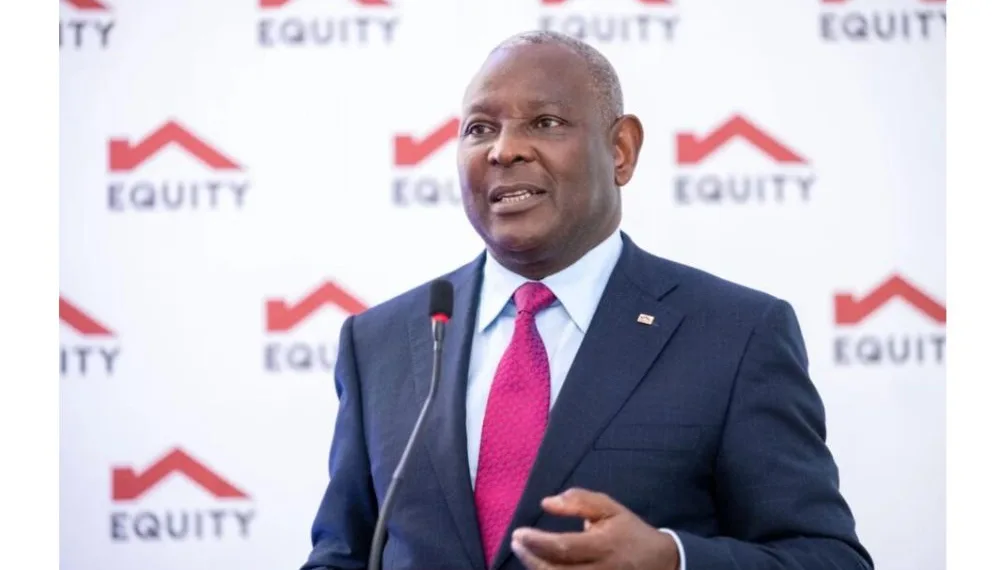
The Kenyan purge, described as one of the most aggressive anti-fraud actions in the country’s banking history, revealed systemic collusion between bank employees and fraudsters—some funds were even traced to offshore accounts. Group CEO James Mwangi previously stated that even staff involved in low-value suspicious transactions, including mobile money, were dismissed.
“This is not a toll station,” Mwangi said in May. “If you have ever eaten Mama Mboga’s chicken, the moment has come.”
The campaign, launched in May, is being rolled out across all seven of Equity’s markets, including Uganda, Rwanda, Tanzania, South Sudan, and the DRC. In Uganda, the process is being supported by external auditors and legal experts.
“All affected staff are being given a fair hearing,” Shoko said. “Some have been cleared, others are undergoing disciplinary review.” He added that the exercise is expected to conclude by the end of July.
From its roots as a small building society in Kenya, Equity has grown into one of Africa’s largest banks, with a $1.3 billion (KES180 billion) capitalisation and a focus on affordable banking for low-income customers. But the bank’s rapid digital growth has introduced new risks, particularly in internal systems and staff conduct—risks it is now aggressively working to contain.
