



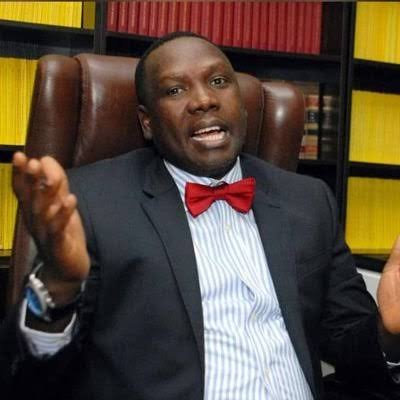
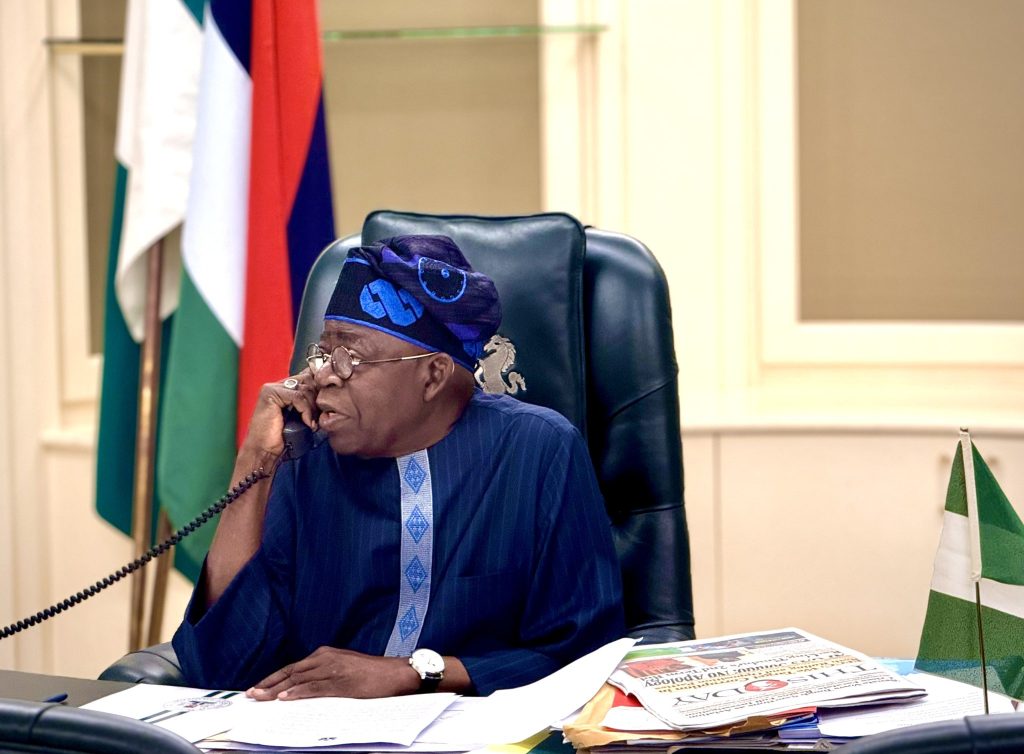
The Chairman of the Forum of State Commissioners of Finance, Akintunde Oyebode, has said President Bola Tinubu’s Executive Order 9 on direct remittance of oil and gas revenues would add only about N1.5 trillion to the Federation Account.
Oyebode, who is also the Commissioner for Finance for the Ekiti State Government, spoke on Arise News on Tuesday.
He argued that the bigger issue is enforcing constitutional custody of federation revenues and fixing leakages created by the Petroleum Industry Act framework.
He said, “In monetary terms, this is not even a significant increase to the federation account. In total, from the management fee, frontier exploration fee and the gas flaring penalties, we estimate approximately N1.5tn will be added to the federation account.”
He added that even that figure must be seen against the scale of inflows into the Federation Account, saying, “If you assume that’s an account that gets upwards of N30tn per annum, you can do the math. It’s a single-digit impact in terms of growth on the federation account. But that’s not the point.”
Tinubu’s Executive Order 9, signed in February 2026, mandates that oil and gas revenues due to the Federation be remitted directly into the Federation Account, limiting deductions and retentions by agencies and directing that key statutory inflows be paid in full before any spending or appropriation.
The order has triggered pushback from labour unions and wider debate across the petroleum sector.
The Petroleum and Natural Gas Senior Staff Association of Nigeria warned that the directive could harm the industry and send negative signals to investors, while urging the President to withdraw it.
On the Arise programme, one of the presenters suggested states would “get more money” from the new remittance structure, but Oyebode rejected that framing and insisted it was about constitutional compliance rather than a windfall.
“It’s not about states getting more revenue. It’s about adherence to the Constitution. It’s about doing what is proper,” he said, adding that public debate should focus on “safeguarding federation revenues”.
He argued that the most consequential leakages may sit outside the specific items targeted by EO9, pointing to what he described as a sharp fall in joint venture inflows after the Petroleum Industry Act.
“If you look at the impact of PIA on JVs, pre-PIA, JVs contributed circa $12bn to the federation. Post-PIA, that number has come down to about $2bn,” he said. “That’s an area that no one is even talking about, the transfer of the JV assets without proper valuation, without proper governance.”
Oyebode also tried to downplay fears that the executive order could destabilise NNPC Limited’s operations, arguing that the sums involved were small relative to the company’s reported scale.
“NNPC, if we go by its audited financial statements, made a profit of N4.5tn in 2024,” he said, adding that in a company with revenues he put at about N45tn, “what we’re talking about here is a small amount”.
The Presidency has defended EO9 as a constitutional enforcement action rather than executive lawmaking.
Pressed on whether the directive amounts to executive overreach and whether it could rattle lenders and investors, Oyebode said he was not a lawyer and would not give a legal opinion, but argued that any disputes should be tested in court.
“At the heart of the matter, if there are any legal concerns, the best thing to do is for the relevant parties to approach the courts for an interpretation,” he said.
He added that investor concerns would depend on implementation details, noting the government had set up an implementation committee and urging stakeholders to wait for its guidelines.
“If there are valid agreements, contracts in place, it will not affect the repayment of those contracts,” he said, adding, “We should wait for their guidelines before coming to a conclusion.”
Oyebode also insisted the oil and gas investment climate had improved, claiming the sector had recorded “$10bn of new investments” and citing major projects and final investment decisions as signs of momentum.
Beyond EO9, the Arise interview also shifted to the recurring criticism of state finances, debt and spending patterns.
Oyebode rejected the claim that states were being “given” money by the Federal Government, saying revenues in the Federation Account belonged to the federation and must be shared under the constitutionally prescribed distributable pool.
He also claimed that states’ domestic debt levels had improved, saying, “Over the last two years… many states have seen at least 15 per cent to 20 per cent reduction in domestic debt,” while explaining that increases in the naira value of foreign debt were largely exchange-rate driven.
On concerns that states borrow for recurrent spending, he said, “Before you take a loan, there’s a borrowing plan… I struggle to see any state that’s really borrowing to fund its recurrent expenditure,” adding that multilateral loans typically fund water, agriculture, environmental programmes and other public infrastructure.
In the same exchange, Oyebode pointed to transparency reforms linked to the World Bank-supported State Fiscal Transparency, Accountability and Sustainability programme, saying states were publishing budgets, procurement records, quarterly budget implementation reports and audited financial statements, and urging analysts and civil society to scrutinise and hold governments accountable.

