




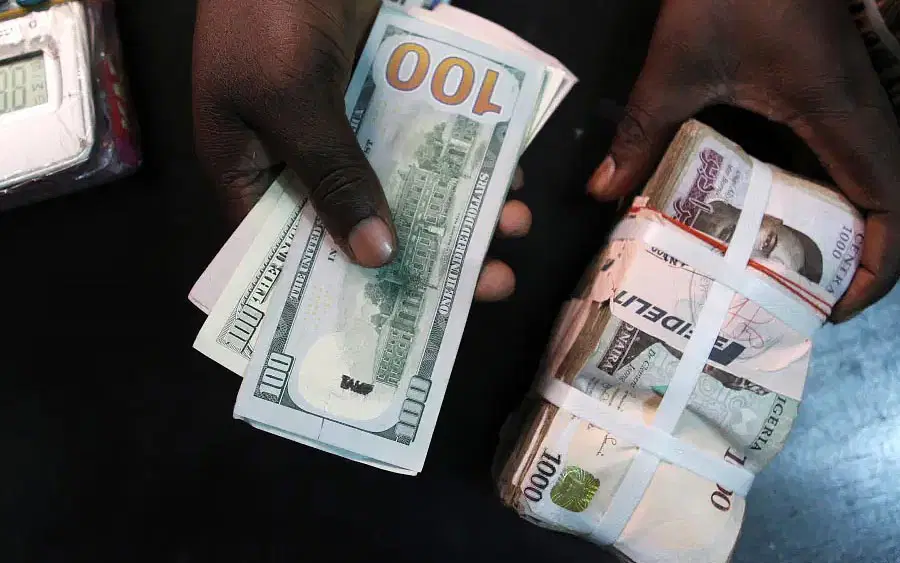

A new report suggests that inflows generated by seasonal activities, particularly the “Detty December” festivities, are expected to provide a boost to the naira after it experienced a mild depreciation last month.
According to BusinessDay, analysts at the research unit of the FMDA, in their latest monthly report for November, foresee positive effects from the end-of-year season.
“As the festive Detty December season intensifies, inbound travel, tourism spending, and diaspora inflows are expected to provide moderate support for FX liquidity,” they stated.
“Consequently, the naira may experience mild appreciation pressure, driven by seasonal inflows associated with holiday activities,” the report further indicated.
The naira, which began December trading at N1,448.43 per $1, had depreciated by 0.07 per cent in November. Over the past three days, however, the currency has gained 0.06 percent to close trading on Wednesday at N1,447.64 per $1.
Gross external reserves are showing an upward trend, having risen from $42.76 billion in October to $43.82 billion last month. This increase reflects improving Foreign Exchange inflows despite the oil market being relatively weak. The “Detty December” period marks the end of the year and traditionally comes with significant inflows from the diaspora who travel to Africa’s most populous nation to celebrate Christmas and the New Year.
The naira is currently experiencing a rare period of stability, following a steep devaluation two years ago that saw the currency tumble by about 70 per cent. The currency has also recorded a significant gain of N215.73 against the dollar in the official foreign exchange market, marking one full year since the commencement of the Electronic Foreign Exchange Management System.
Data published by the Central Bank of Nigeria showed the naira appreciated by 14.93 percent to N1,445.39 on Tuesday, December 2, 2025, when compared to the N1,661.12 quoted on December 2, 2024, which was the first trading day under the EFEMS framework. This improvement underscores the currency’s gradual strengthening since the revised trading architecture was implemented.
To ensure the local currency’s lasting stability, the World Bank, in its latest biannual report, urged the government to focus on longer-term foreign exchange inflows from oil, remittances, and especially non-oil exports. The bank also called for a more transparent FX policy framework and progressive adjustments to regulations governing banks’ foreign currency positions.