

The Managing Director of the Dangote Petroleum Refinery,
David Bird, stated that the $20 billion facility does not import finished petroleum products.
He explained that the refinery follows a merchant refining model, which does not depend solely on crude oil.
Bird clarified that what some had referred to as fuel was actually intermediate feedstock, making the remarks while speaking to journalists at the refinery in Lekki, Lagos, on Wednesday.
During a technical presentation on the refinery’s operations, he emphasized that the Dangote refinery was intentionally designed to function differently from conventional refineries in crude-producing nations.
He explained that, unlike refineries in countries such as Saudi Arabia, Kuwait, or the United Arab Emirates—which are usually situated at the end of crude oil pipelines and rely heavily on domestic crude—the Dangote refinery is not limited to processing only Nigerian crude.
“Nigeria is a crude-producing country, but Dangote Refinery does not sit on the end of a pipeline just processing the country’s crude oil only. Dangote is a merchant refinery,” Bird said.
He explained that a merchant refinery obtains its crude oil and other feedstocks from the global market, usually shipped by sea, which allows it to handle a wide variety of crude types and intermediate products rather than depending on a single crude source.
Bird noted that this model, common in leading refining centers such as Europe, Singapore, and Taiwan, was deliberately implemented in Nigeria to optimize value and enhance operational flexibility.
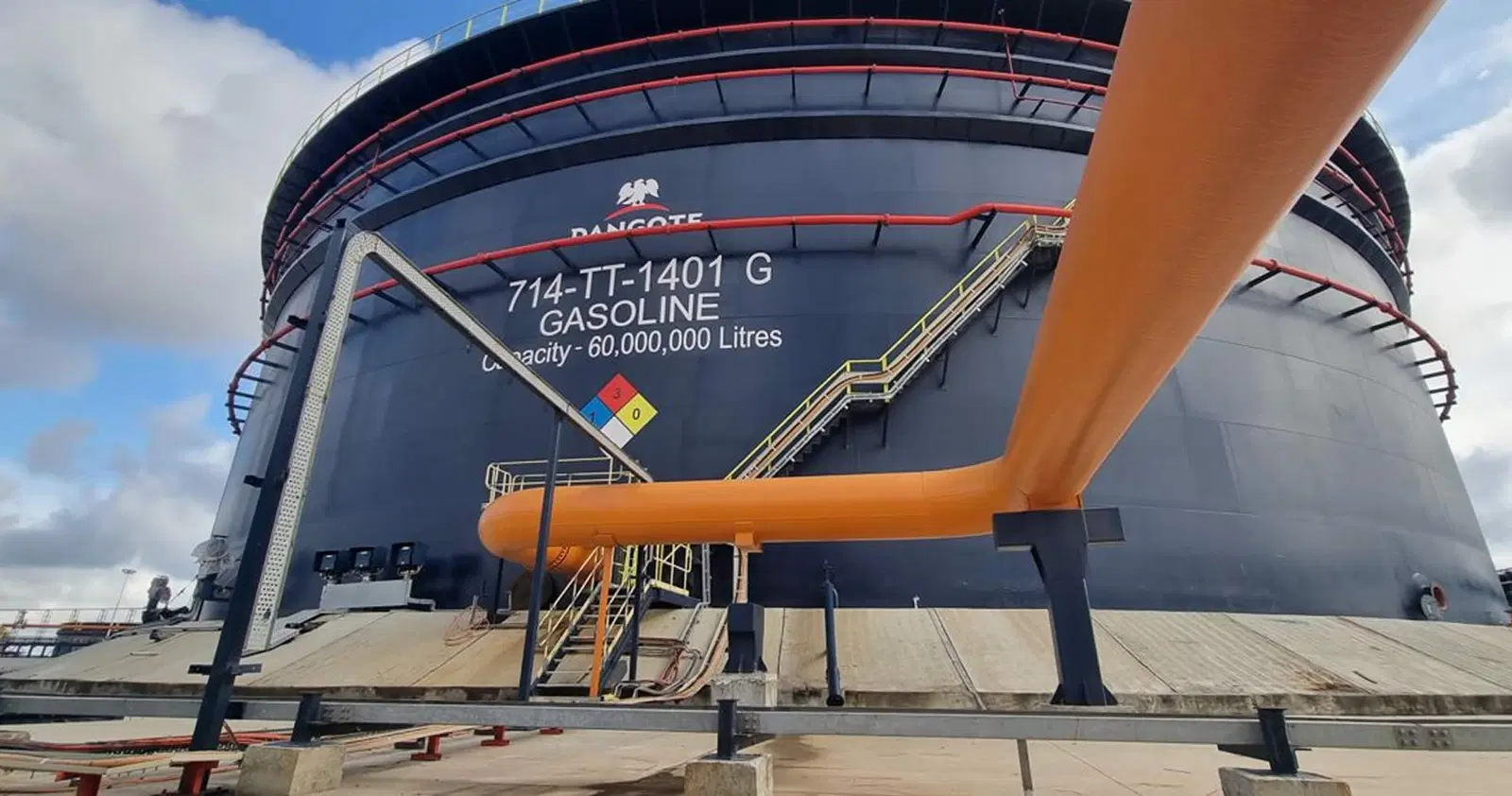
He pointed out that the refinery’s tank farm is much larger than its processing units, emphasizing that storage capacity is key to merchant refining, as it enables different crudes and feedstocks to be stored separately, blended, and processed in various combinations.
“You bring in different crudes. You need to segregate those crudes, and then you mix them to make certain crude cocktails which your plant can process,” he explained.
Bird explained that each crude produces different ratios of products, including LPG, naphtha, kerosene, and diesel, and that handling diverse crude blends can cause some units to operate below capacity if extra feedstocks are not introduced.