

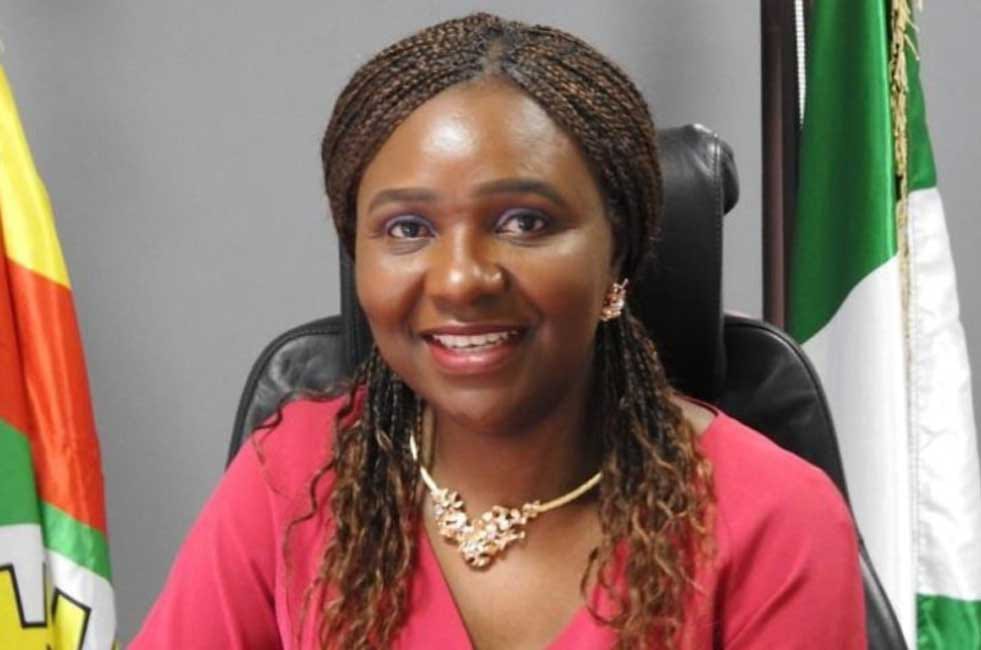



The Deputy Secretary-General of the United Nations Amina Mohammed has lauded the pivotal role of Dangote Industries Limited particularly Dangote Fertiliser Limited in addressing Africa’s growing food security challenges.
She made this known while speaking during a visit to the company’s industrial complex in Ibeju-Lekki Lagos. She emphasized the need for stronger global partnerships to scale solutions across the continent.
Mohammed stressed the UN’s commitment to amplifying scalable interventions capable of addressing food shortages in Africa. She also encouraged international collaboration to support Dangote Industries’ initiatives. The UN official noted the strategic significance of Dangote’s operations in tackling food insecurity.
“I think the UN’s job here is to amplify and to put visibility on the possibilities of mitigating a food security crisis, and this is one of them,” Mohammed said. “I hope that when we go back, we can continue to engage partners and countries that should collaborate with Dangote Industries.”
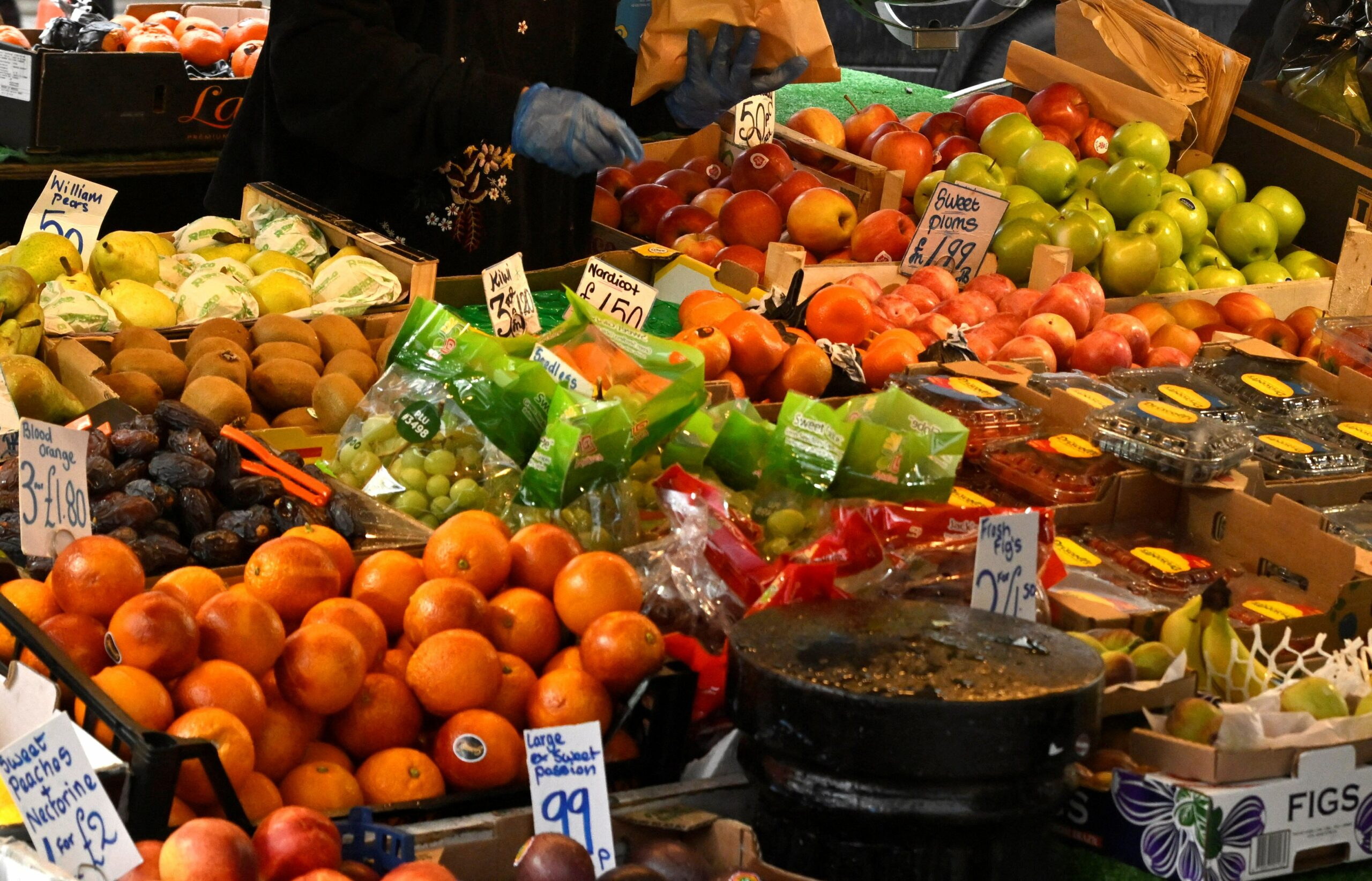
Her comments coincide with mounting concerns about food shortages and disrupted supply chains across Africa driven by global economic pressures climate-related shocks and geopolitical tensions in regions such as the Middle East. For context Africa has faced persistent food security challenges worsened by external shocks. Fertiliser shortages and rising costs have constrained agricultural output while energy supply disruptions have amplified economic stress. Against this backdrop Dangote Industries has expanded its role leveraging its industrial and refinery capacities to provide critical inputs for food production and energy stability.
Aliko Dangote President and Chief Executive of Dangote Industries detailed the company’s recent efforts to support African markets. Dangote Industries has increased exports of urea fertiliser and Premium Motor Spirit (PMS) to countries affected by supply disruptions. The refinery has shipped about 17 cargoes of petrol to African nations leveraging its 650,000 barrels per day capacity to stabilise supply. Feedstock deliveries from the Nigerian National Petroleum Company Limited rose to 10 cargoes in March six supplied in naira and four in dollars. Dangote acknowledged that these measures are crucial but noted that supply remains below the 19 cargoes required for optimal refinery operations. The company he said continues to bridge the gap through imports from the United States and other African producers.
The World Bank reports that many African countries still struggle to meet their food needs with the food-insecure population on the continent increasing by 60 percent over the past ten years. In June the Federal Government raised concerns that about 161 million Nigerians are currently food insecure even as it intensifies efforts to avert an impending food and nutrition crisis. To tackle the crisis the government is implementing a new plan as a spin-off of the Accelerating Nutrition Results in Nigeria project a state-led World Bank-funded initiative aimed at reducing malnutrition by expanding access to quality cost-effective nutrition services for vulnerable populations.

