





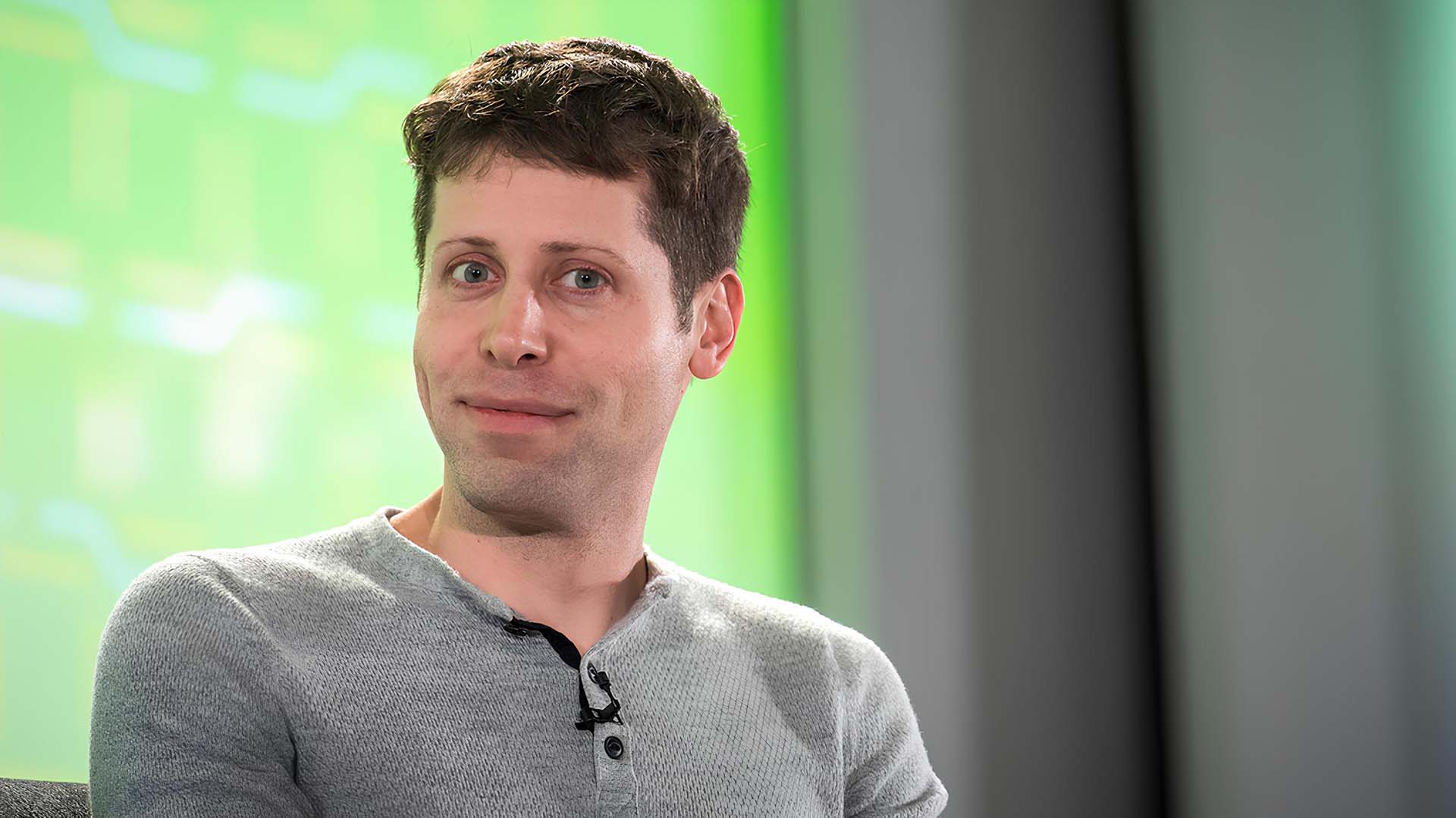
OpenAI Chief Executive Officer Sam Altman has cautioned users of ChatGPT against treating the popular chatbot like a personal confessional, warning that conversations with the AI tool could potentially be used as evidence in court.
Speaking during an episode of the This Past Weekend podcast on June 25, Altman emphasized that, unlike communications with doctors or lawyers, chats with ChatGPT are not protected by legal privilege.
“Right now… if you talk to ChatGPT about your most sensitive stuff and then there’s a lawsuit or whatever, we could be required to produce that, and I think that’s very screwed up,” Altman said.
Altman acknowledged that many users—particularly younger ones—have developed a deeply personal relationship with the chatbot, often using it as a sounding board for private matters. “People talk about the most personal stuff in their lives to ChatGPT. They use it as a therapist, a life coach, asking for advice on relationship issues, mental health, and more,” he noted.
However, unlike doctor–patient or attorney–client communications, which are protected by confidentiality laws, no current legal framework exists to safeguard user conversations with AI models like ChatGPT. As a result, these interactions can be subject to subpoenas and court scrutiny.
Altman called the situation “very screwed up,” admitting that OpenAI has not yet figured out a way to offer users similar confidentiality protections.
Although OpenAI deletes most free-tier user conversations within 30 days, Altman acknowledged that some chats are retained for legal or security reasons. Furthermore, OpenAI’s ongoing legal battle with The New York Times has compelled the company to retain certain user data.
Privacy advocates have also expressed concerns over the accessibility of these chats, especially when compared to messaging platforms like WhatsApp, which uses end-to-end encryption to prevent third parties from reading messages. By contrast, OpenAI has access to every user conversation with ChatGPT.
As AI chatbots continue to play increasingly personal roles in users’ lives, Altman’s remarks underscore a growing need for clear legal and ethical standards to protect digital interactions in the age of artificial intelligence.