




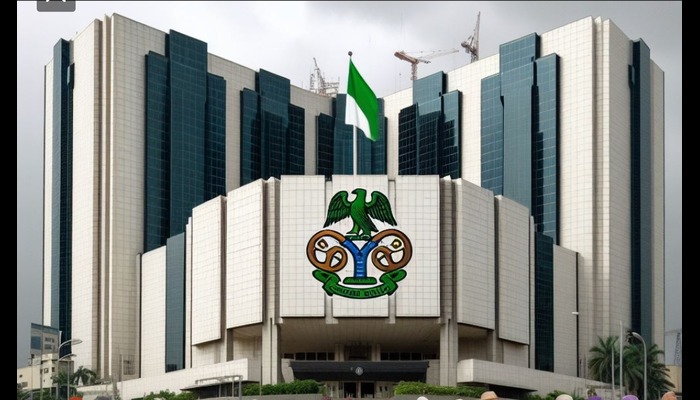
The Central Bank of Nigeria and the Bank of Angola on Thursday formally signed a Memorandum of Understanding aimed at fostering closer bilateral relations and significantly enhancing capacity in core central banking operations.
The signing ceremony saw the Governor of the Bank of Angola, Mr. Manuel Tiago Diaz, and the Governor of the Central Bank of Nigeria, Mr. Olayemi Cardoso, formally endorse the agreement in the presence of senior officials and distinguished guests.
Speaking at the ceremony, CBN Governor Cardoso noted that the MoU had been long in the making and described both its timing and setting as ideal.
He emphasized the collaborative spirit of the meeting, stating: “This forum brings together stakeholders from different countries with diverse interests, creating opportunities to meet, collaborate, and build relationships. What we have done today reflects the very spirit of the annual and spring meetings.”
Cardoso further underscored the agreement’s significance for the entire continent, asserting that increased cooperation among central banks would be instrumental in helping to address shared challenges, thereby strengthening regional understanding and collaboration.
He concluded by expressing his satisfaction: “I am very pleased, and I believe this marks a significant milestone for both organizations and both countries.”
Welcoming the dignitaries, the CBN Deputy Governor for Economic Policy, Mohammed Abdullai, described the MoU as a “critical development” in the pursuit of strengthened bilateral cooperation.
He provided details on the key objectives of the agreement, highlighting that it will establish a bilateral forum for reciprocal technical exchange, facilitate border supervision of authorized institutions, provide a structured framework for licensing and cross-border resolution planning, and ensure the transparent, periodic exchange of information.
Abdullai then listed the broad technical areas covered by the collaboration: “The key areas of cooperation will include exchange control, financial markets, foreign reserves management, currency management, research and monitoring, payment systems management, financial sector development, banking supervision and regulation, as well as AML/CFT and market conduct supervision.”
He added that the collaboration would also include “Training of staff and sharing of experiences will also form part of the collaboration.”