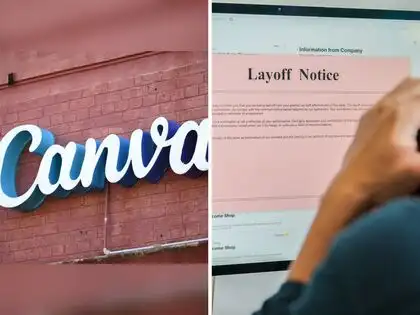
Canva, the global graphic design platform, is restructuring its workforce, affecting 1,271 employees, representing 22 per cent of its staff, as it moves to streamline operations and consolidate teams in centralised offices.
The company’s Chief Executive Officer, Melanie Perkins, announced the changes in an email to employees on Wednesday, describing the restructuring as the most difficult period in Canva’s 13-year history.
The restructuring will include job cuts, changes to existing roles and the relocation of some employees to centralised hubs. However, Perkins did not specify how many workers would lose their jobs.
According to the announcement, employees leaving the company will receive at least six months’ salary, alongside continued healthcare coverage for 12 months.
Affected employees will also be allowed to keep their company laptops and apply for grants of up to $10,000 (approximately A$14,000) to support them in starting their own businesses.
Perkins said the restructuring would also involve reducing management layers and bringing more teams together in physical offices.
“For some people, this will mean changes to their roles or being asked to relocate to centralised hubs,” she said.
“Sadly, it will also mean saying goodbye to teammates and friends who have helped build Canva into what it is today,” she added.
She added that Canva understood the challenges associated with relocation decisions and would provide comprehensive support to employees affected by the changes.
Canva’s restructuring comes amid a wave of workforce reductions across the technology industry as companies adjust to changing market conditions and the growing adoption of artificial intelligence.
Other technology companies that have announced significant job cuts include software firm Atlassian, which laid off 1,600 employees, Block, the owner of Afterpay, and WiseTech Global.
The developments highlight growing concerns about the future of traditional software businesses as AI-powered tools become increasingly capable of performing tasks previously handled by specialised applications.