



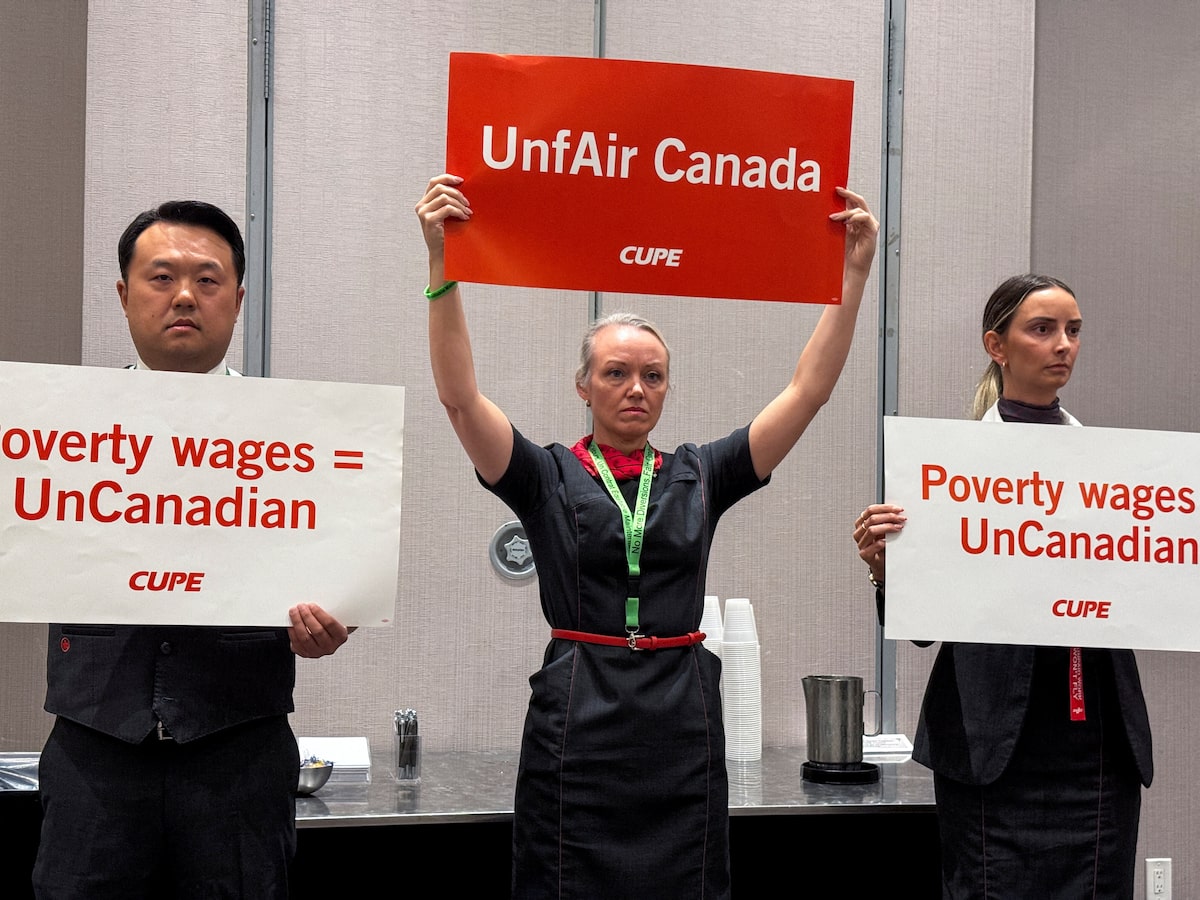
Air Canada flight attendants launched a nationwide strike at 12:58 a.m. ET on Saturday, after last-ditch talks between the airline and the Canadian Union of Public Employees collapsed without a deal.
The work stoppage follows a 72-hour strike notice issued by CUPE earlier in the week.
In response, Air Canada began winding down operations on Thursday, gradually suspending flights in anticipation of service disruptions.
The airline estimates the strike will affect about 130,000 customers each day, including 25,000 Canadian travellers currently overseas.
At the heart of the dispute are demands for higher wages and improved ground pay, which compensates attendants for duties performed while aircraft are not in the air.
Negotiations broke down after CUPE rejected Air Canada’s proposal to resolve the standoff through binding arbitration, insisting instead on continued bargaining at the table.
Air Canada has appealed to Ottawa to intervene. The carrier formally asked Federal Labour Minister, Patty Hajdu, to refer the case to binding interest arbitration under Section 107 of the Canada Labour Code.
Hajdu granted CUPE until Friday noon to respond, but the union declined.
The strike marks a significant escalation in the labour dispute, with potential to cost Canada’s largest airline millions in lost revenue and further strain the country’s already pressured aviation sector.