



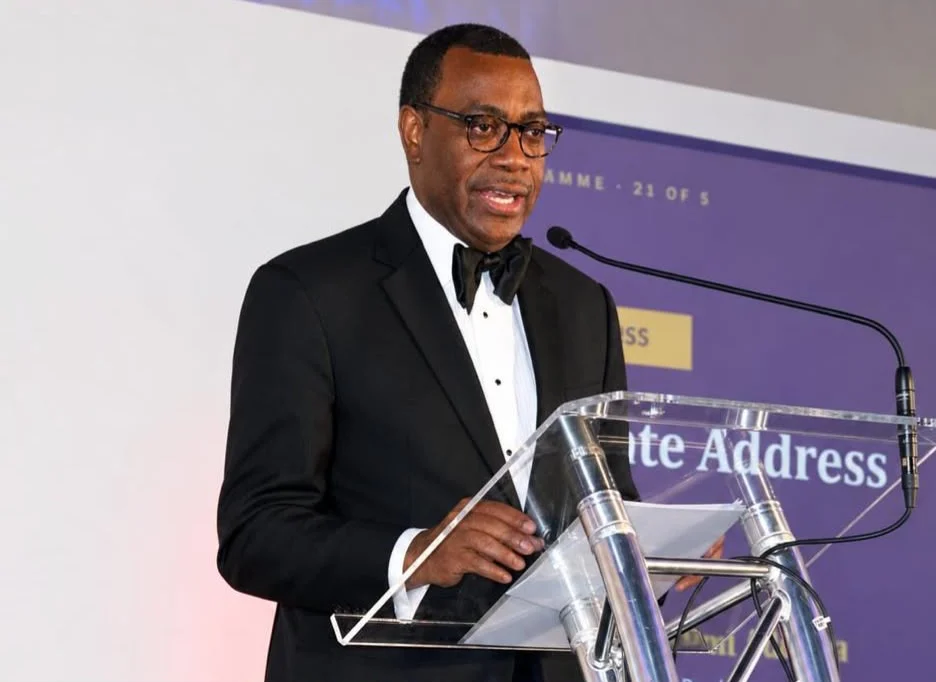


The Former President of the African Development Bank, Dr Akinwumi Adesina, has urged African countries to invest more in young people, saying the continent’s future competitiveness will depend on its ability to turn its growing population into a productive workforce.
Adesina made this call in a keynote address titled “Africa Next: Build the Demographic Asset Class” at the Seyi Tinubu Colloquium on shaping the future.
He said Africa’s expanding population offered significant economic opportunities, but realising them would require deliberate efforts by governments and other stakeholders to equip young people with the skills, knowledge and opportunities to drive growth.
He stressed that Africa must look beyond population size and recognise its people as an economic asset that requires sustained investment to unlock its full potential.
“Numbers alone do not create prosperity; capability does,” he said, challenging African leaders and policymakers to focus on what young people could create, the businesses they could establish, the technologies they could develop and the problems they could solve.
Dr. Adesina said Africa was experiencing rapid demographic and economic changes, driven by population growth, urbanisation and technological advances that are reshaping how young people learn and work.
He projected that the continent would account for about a quarter of the world’s population by 2050, with more than half of global population growth over the period expected to come from Africa.
He said the trend presented an opportunity for Africa to expand its role in the global economy, especially as other regions grapple with ageing populations.
However, Adesina warned that population growth alone would not guarantee economic prosperity, arguing that the continent needed to develop the capabilities of its expanding workforce to translate demographic potential into tangible economic gains.
He said Africa’s young people would be central to building businesses, developing technologies, creating employment and strengthening the institutions required to support future growth.
“Much of the last century, Africa was viewed largely through what lay beneath its soil: its oil, its gas, its gold, its platinum, its copper, its lithium,” he said, adding that the continent now had another significant resource in its people.
Although natural resources remained important, he argued that Africa needed to place greater emphasis on developing its human resources as a foundation for long-term competitiveness.
Adesina said a healthy, educated, skilled and productive population could become a major economic asset if governments invested deliberately in developing its potential.
He stressed that the demographic dividend would not come from population growth alone but from equipping more people with the capabilities to participate productively in the economy.
The former AfDB president urged African leaders and other stakeholders to shift their focus from population size to investments that would equip young people with the skills and opportunities needed to drive economic growth.
He warned that the choices made today would determine whether Africa’s growing population became a driver of economic prosperity or a missed opportunity.
“What Africa does with its young people today will determine Africa’s role and competitiveness in the world of tomorrow,” Adesina said.