The Federal Government is pushing to end the export of unprocessed solid minerals, as part of efforts to deepen local value addition, boost industrialisation and create jobs.
This comes as revenue from the sector crossed ₦100 billion in 2026.
President Bola Tinubu stated this on Thursday at the Nigeria Now! Investing in Energy, Infrastructure and Mining Summit in Abuja, themed “United Nigeria, New Horizons, One Investment Destination.”
Tinubu said Nigeria was determined to move beyond exporting raw mineral resources. He stressed the need for investment in processing and beneficiation to strengthen domestic industries.
“In mining, we’re equally determined to move beyond the export of unprocessed resources. Better geological information, transparent licensing, responsible exploration, and greater investment in beneficiation and processing must support Nigerian industries, skilled employment and meaningful benefits for host communities,” he said.
The President said the government was working to build integrated value chains. These would enable Nigerian enterprises to participate more actively in the mining industry and expand domestic capabilities.
He urged investors to bring technology, finance and commercial expertise. He assured them that efforts were under way to strengthen regulatory certainty and institutional support for sustainable returns.
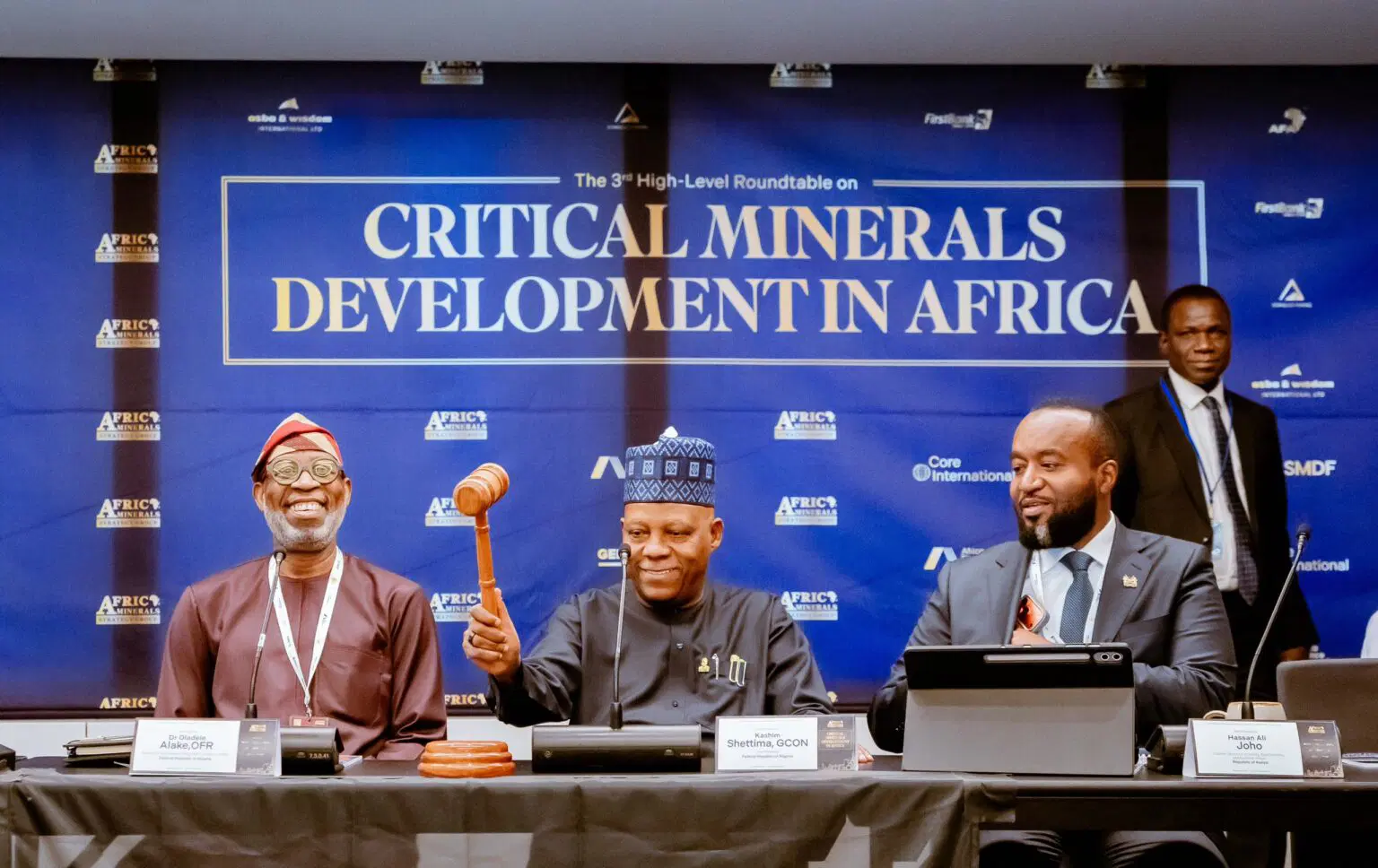
Earlier, the Minister of Solid Minerals Development, Dr Dele Alake, said reforms introduced by the Tinubu administration had raised revenue from the sector from ₦6 billion annually before the administration to ₦100 billion in 2026.
“When I assumed office, the sector’s total annual revenue stood at just ₦6 billion. However, through reforms, the local value addition policy, the digitisation of mining processes, and efforts to sanitise operations within the sector, that figure increased from ₦6 billion to ₦38 billion by 2024.
“By 2025, it had risen to ₦70 billion. And just about a week ago, the Central Bank of Nigeria (CBN) informed us that we had crossed the ₦100 billion mark this year,” Alake said.
He attributed the growth to the reforms and to efforts to sanitise mining operations. These include the establishment of Mining Marshals, who he said had apprehended over 300 illegal operators and recovered more than 100 mining sites.
Meanwhile, the Minister of Marine and Blue Economy, Gboyega Oyetola, said revenue generated by agencies under his ministry rose from ₦700.79 billion in 2023 to ₦1.83 trillion in 2025.
He cited improvements in maritime security, port reforms and the approval of Nigeria’s first National Policy on Marine and Blue Economy.
Oyetola also urged investors to explore opportunities in shipping, ports, shipbuilding, fisheries, aquaculture and logistics.