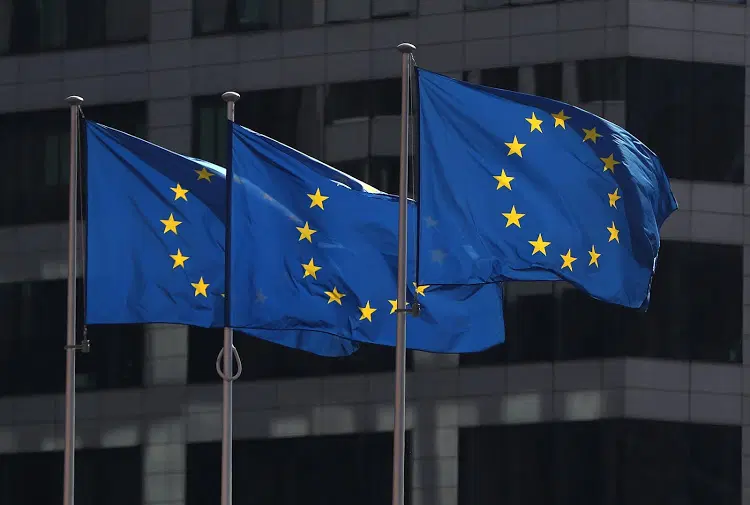
The European Commission is investigating a cyberattack that may have compromised a significant amount of personal data on Thursday.
An EU official told the publication that the Commission believed it had contained most of the attack, although the extent of the potential data exposure remained unclear.
The Commission had also not issued a public statement as of the time of reporting.
The Commission’s spokesperson, Thomas Regnier, told Politico that “individual systems were targeted” and that necessary measures had been taken to address the incident. He added that individuals affected by the attack had been notified.
According to the report, the attack had been ongoing for about 10 days, prompting the Commission to take several systems offline.
The affected platforms included tools used by staff to access payslips, monitor working hours and apply for leave. A system for processing medical reimbursements was also disrupted.
The Commission’s technology chief, Henna Virkkunen, briefed fellow commissioners on the incident on Wednesday.
Politico further reported that CERT-EU, the cybersecurity agency responsible for protecting EU institutions, discovered that the attackers had deployed a freely available artificial intelligence tool called ARTEX to identify vulnerabilities in digital systems.
The incident marks the Commission’s second major cyberattack this year. In March, hackers used a stolen application programming interface key to gain access to the Amazon Web Services account supporting the Europa.eu website.
CERT-EU later disclosed that approximately 92GB of compressed data had been stolen in the March incident. The compromised information included names, email addresses and email contents.
According to CERT-EU, the breach may also have exposed data belonging to at least 29 other EU institutions and agencies.
Another cyber incident during the winter raised concerns over the security of staff information. An attack targeting systems used to manage the Commission’s mobile phones may have exposed employees’ names and telephone numbers.
The latest incident comes as the European Commission steps up efforts to strengthen cybersecurity across the EU. In January, it introduced a package of new measures aimed at improving protection against cyberattacks.