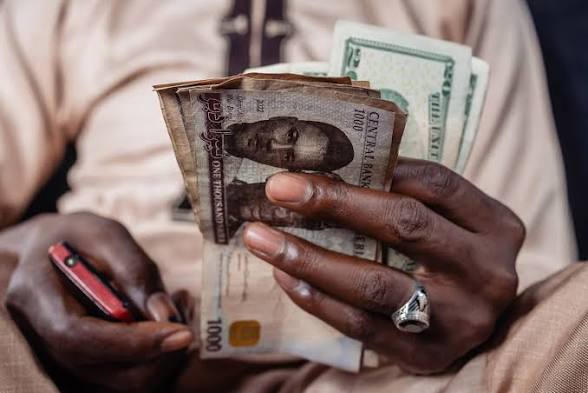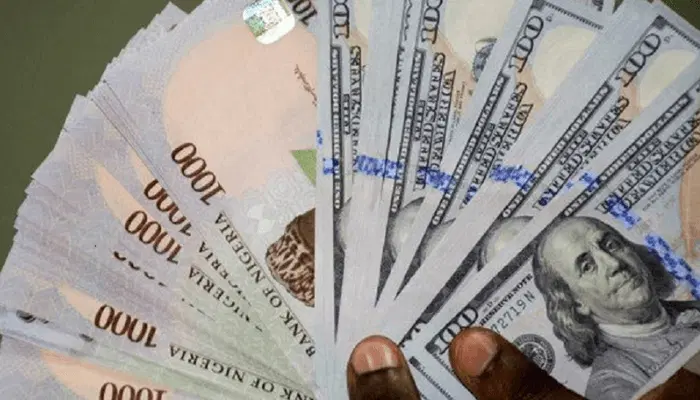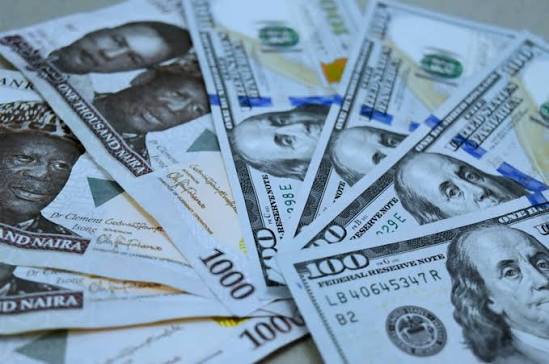
The naira weakened to ₦1,445 per dollar in the parallel market on Thursday, November 12, 2026, from ₦1,430 recorded on Wednesday.
This widened the gap between the informal and official exchange rates to ₦86.50.
Bureau de Change operators in Abuja who spoke to Nairametrics quoted the dollar at ₦1,445, reflecting renewed pressure in the parallel market.
At the Nigerian Foreign Exchange Market, the naira appreciated. It closed at ₦1,358.50 per dollar on Thursday, compared with ₦1,364 per dollar in the previous session, according to data from the Central Bank of Nigeria (CBN).
The official market recorded a 0.37 per cent appreciation on Thursday, while the parallel market rate weakened by ₦15 from Wednesday’s quotation. This highlights the divergence between the two segments of the foreign exchange market.
The latest NFEM figures also show that the official exchange rate traded within a range of ₦1,348 to ₦1,363.75 during the session.
The widening gap comes amid continued pressure in the informal market. BDC operators attributed recent demand partly to purchases ahead of the festive season.
The volatility in the parallel market has previously been linked to fiscal leakages, speculation and arbitrage activities. These factors can contribute to differences between official and informal exchange rates.
NFEM turnover data show that interbank transactions amounted to about $644.85 million on November 12.
This follows an official closing rate of ₦1,364 per dollar on November 11. On that day, total NFEM turnover stood at about $397.54 million, while interbank turnover was about $93.01 million.
The naira’s performance also comes against the backdrop of changes in Nigeria’s external reserves. Gross foreign exchange reserves increased by $295.35 million in October 2026, the slowest positive monthly increase recorded so far this year.
Nigeria’s net foreign exchange reserves, however, rose to a record $46 billion, according to an earlier Nairametrics report. This is an increase from the $34.80 billion recorded at the end of 2025, as previously reported.
On the international market, the US dollar remained near a 19-month high on Friday. It was supported by growing expectations of a larger Federal Reserve interest-rate increase.
The stronger dollar put pressure on several major currencies. The Japanese yen traded close to the 160-per-dollar level, raising concerns about possible intervention by Japanese authorities.
The euro fell 0.1 per cent to $1.1049, hovering near its lowest level against the dollar since April 2025. It was down 0.8 per cent for the week, putting it on track for its largest weekly decline since late September.
The yen was largely unchanged at 159.875 per dollar. The Australian dollar had lost about 2.5 per cent against the greenback over the preceding month, making it the weakest-performing G10 currency over that period.
The dollar was also broadly steady against the Swiss franc at 0.835, remaining close to a one-month high.