The Economic and Financial Crimes Commission is quietly investigating all 774 local government chairmen in the country over how they have managed and spent public funds since the councils gained financial autonomy, The PUNCH reported.
The commission’s zonal directorates are handling the investigation, which is meant to determine whether the councils have been accountable in managing their allocations.
It was further learnt that the anti-graft agency is especially keen to assess how the chairmen have handled the funds allocated to their councils and whether they can administer public resources. It also wants to know how far autonomy has improved service delivery.
An official of a state Ministry of Local Government had earlier confirmed the development to our correspondent, saying the anti-graft agency was investigating all the local government chairmen in the state.
The official said, “All the local government chairmen in the state are currently being probed by EFCC over their spending,” the official said.
Sources within the EFCC, however, confirmed that the investigation was ongoing in all 36 states and the Federal Capital Territory, stressing that the exercise was being carried out discreetly.
One of the sources said the commission wanted to establish whether the councils had shown accountability and managerial competence since the Supreme Court judgment that granted them financial autonomy.
The source said, “All the local governments across the country are being investigated. It’s discreetly being done. You know the Supreme Court ruling granted them financial autonomy. We want to know whether they are accountable.
“We want to see their definite impact on the economy as a result of the financial autonomy that has been granted them. We want to see whether they have the necessary managerial skills, and whether their integrity quotient is high.
“We want to see comparatively what was existing before the autonomy and what is existing now and whether there has been development. It is not about the state you mentioned alone; it is across the country. All the EFCC zonal offices are handling the investigation secretly.”
The probe comes more than two years after the Supreme Court affirmed the financial autonomy of the 774 local government areas and barred state governors from controlling funds meant for the councils.
In May 2024, the Federal Government, through the Attorney-General of the Federation and Minister of Justice, Lateef Fagbemi, filed a suit at the Supreme Court challenging the governors’ control of local government allocations.
The suit asked the court to stop governors from dissolving democratically elected local government councils and replacing them with caretaker committees. It also sought to stop them from receiving and withholding funds allocated to the councils.
The Attorney-General argued that the 1999 Constitution provided for a democratically elected local government system and did not recognise caretaker committees as a substitute for elected councils.
On July 11, 2024, the Supreme Court, in a landmark judgment, ruled in favour of local government financial autonomy. It declared it unconstitutional for state governors to control or withhold allocations meant for the councils.
The seven-member panel, led by Justice Garba Lawal, also directed the Accountant-General of the Federation to pay allocations directly into the accounts of the local governments.
The judgment was expected to strengthen governance at the grassroots by allowing elected council officials to manage their finances independently and carry out development projects without interference from state governments.
However, concerns over accountability and the management of the funds led the EFCC to announce plans to monitor the councils’ spending.
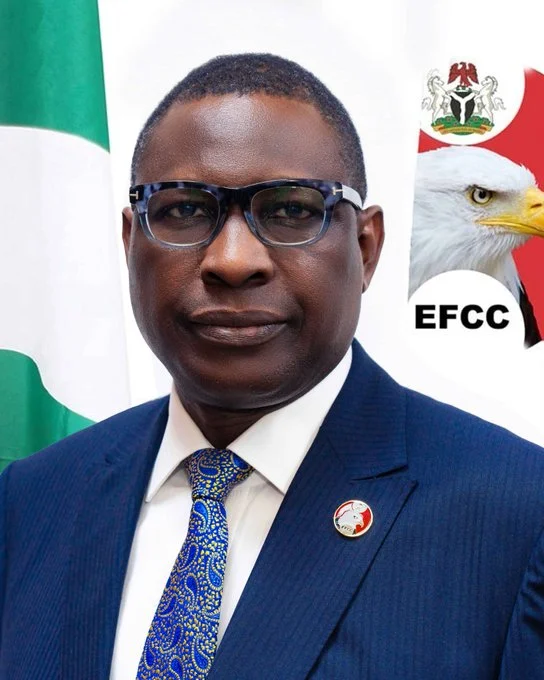
In October 2024, the EFCC Chairman, Ola Olukoyede, said the commission would monitor the budget performance of all local governments to ensure that allocations were spent on the projects and programmes for which they were approved.
Olukoyede, who spoke in an interview published in the commission’s magazine, said the agency was ready to work with relevant stakeholders to track the councils’ expenditure and prosecute officials found to have violated the law.
He also named the creation of additional zonal directorates as part of efforts to strengthen the commission’s presence and its capacity to monitor public funds across the country.
He said, “We are fully prepared to ensure accountability in the use of local government funds. One of the reasons that informed the decision to establish additional zonal directorates by the commission is the need to improve the commission’s presence and coverage of the country.
“We’ll work closely with stakeholders in tracking the budget performance of the councils, to ensure that funds appropriated are used for specified purposes and those who violate the law will be brought to justice.”
Efforts to get a reaction from the EFCC’s spokesman, Dele Oyewale, were unsuccessful as of the time of filing this report on Monday night.