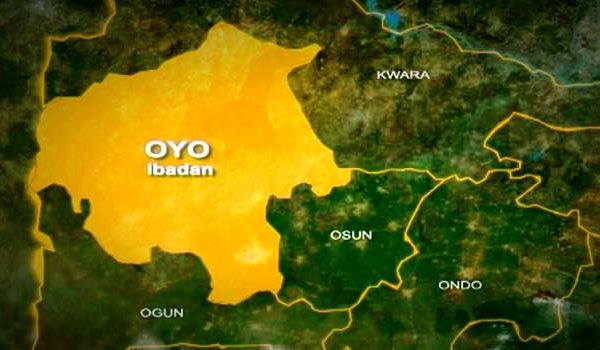
The Oyo State Government has declared its determination to move beyond dependence on conventional sources of revenue.
It plans to harness the economic potential of arts, crafts, cultural festivals and tourism to earn foreign exchange, attract international investment and create jobs.
The government said it was working to turn Nigeria’s rich cultural heritage into commercially viable products for the global export market. It wants the creative economy to become a major driver of economic growth and sustainable development.
The initiative seeks to unlock the enormous economic value of indigenous artistic expressions, traditional knowledge and cultural assets. It will be driven through the Oyo State Business Forum 2026, themed “Investment and Export Promotion of Arts and Crafts Business in Oyo State.”
The forum is expected to bring together investors, artists, craftsmen, exporters, policymakers and development partners. They will explore investment opportunities, strengthen export capacity and widen the international market for Nigerian arts and crafts.
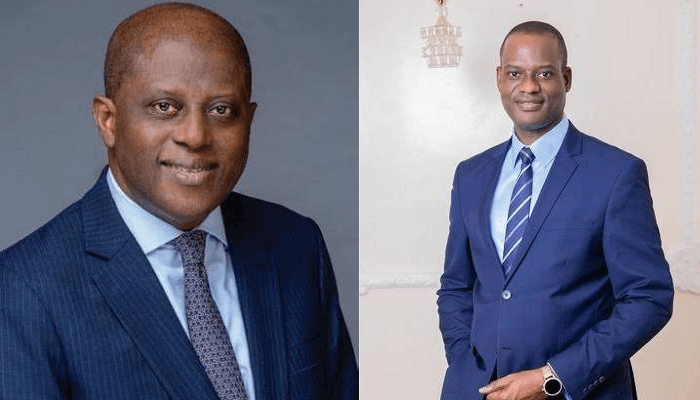
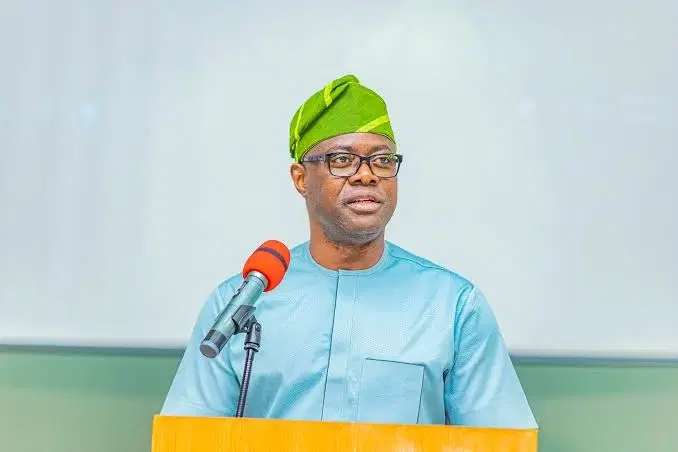
The Commissioner for Culture and Tourism, Dr. Wasiu Olatubosun, spoke at a press briefing announcing the forum. He said the administration of Governor Seyi Makinde was deliberately repositioning culture beyond its traditional role as a custodian of heritage. He said it was becoming a productive economic sector capable of generating wealth, attracting investment and contributing meaningfully to national development.
The briefing was organised in collaboration with the Oyo State Investment and Public-Private Partnership Agency (OYSIPA) at the state Secretariat, Ibadan. Olatubosun described Nigeria’s cultural wealth as an enormous but largely untapped economic resource that could compete favourably in the international marketplace.
He maintained that traditional festivals, indigenous knowledge, artistic expressions and locally produced crafts had considerable commercial value. He said they could become major export commodities if properly researched, documented, developed and marketed.
According to him, the state government is also repositioning its cultural festivals from routine annual celebrations into internationally competitive tourism and entertainment products. These are meant to attract foreign visitors, investors and members of the African diaspora.
He identified the recent inscription of the Sango Festival on UNESCO’s Representative List of the Intangible Cultural Heritage of Humanity as a major boost to Oyo State’s international cultural standing. He said it was also an opportunity to attract greater global attention.
The commissioner explained that the recognition had taken the annual festival in Oyo Town beyond its traditional geographical and cultural boundaries. It is now an increasingly attractive destination for international tourists, cultural enthusiasts and media organisations from Africa, Europe and the Americas.
He added that the Sango Festival had joined the Osun-Osogbo Festival as one of the two festivals in Southwest Nigeria with UNESCO recognition.
Olatubosun also highlighted the growing international appeal of the World Egungun Festival. It was repackaged in 2024 as a tourism and entertainment product to broaden its economic value and attract a wider international audience.
He said the festival had recorded remarkable growth in attendance. More people are taking part from outside Oyo State, and there is growing interest from countries with strong historical and cultural ties to Yoruba heritage, particularly Brazil, Cuba, and Trinidad and Tobago.
“When we started in 2024, we recorded between 6,000 and 7,000 attendees. In 2025, attendance grew to over 17,000, while this year we welcomed more than 19,000 visitors, with over 50 percent coming from outside Oyo State,” he said.
The commissioner further disclosed that an initial group of 25 foreign visitors interested in traditional initiation rites is expected in the state later this year. He described this as another opportunity to stimulate economic activity and increase foreign currency inflows.
“They may not be paying for initiation, but they will spend their dollars here. Those resources will circulate within our economy. That is the economic value of culture,” he added.
Beyond cultural festivals and tourism, Olatubosun said the government was taking deliberate steps to strengthen the commercial foundations of the creative industry. These include research, documentation, international partnerships and improved access to export markets.
He disclosed that the Ministry of Culture and Tourism was collaborating with the Institute of African Studies, University of Ibadan, to document the state’s cultural assets. It was also engaging the Office of the Special Adviser on the African Continental Free Trade Area (AfCFTA) to help local creative entrepreneurs access international markets.
He explained that the initiative was meant to ensure that indigenous artists, artisans and cultural entrepreneurs were not confined to local patronage. It would position them to compete in the expanding global market for African arts and crafts.
The Director-General of OYSIPA, Mr Tilewa Folami, was represented by the Director of Public-Private Partnerships, Mr Adebisi Ajayi. He said the business forum was designed to showcase investment opportunities in the state’s arts and crafts industry and encourage greater private-sector participation.
He said the government was seeking investors willing to explore the enormous opportunities in the sector through strategic partnerships, institutional support and an enabling business environment.
“Our objective is to attract investors into the arts and crafts industry and promote business activities in the state.“
“We want investors to leverage the opportunities provided through government support, partnerships, and a conducive business environment,” he said.
In his contribution to the forum, the consultant, Mr. Lawal Akolade, identified inadequate research, poor documentation and the absence of proper valuation of cultural resources as major obstacles. He said these prevent Nigeria’s creative industry from realising its full economic potential.
He argued that the arts and cultural industry could contribute far more to the national economy if its commercial opportunities were properly identified, documented, developed and exposed to the international marketplace.
“The market for arts and culture in Oyo State is virtually limitless. We cannot fully quantify its value until we properly explore and document the opportunities within the sector,” Akolade said.
He noted that thousands of indigenous artisans, including carvers, sculptors and weavers, already contribute to an industry with considerable international demand. He observed that traditional Nigerian artifacts and artistic works are displayed in museums across Europe.
Renowned visual artist and cultural ambassador, Chief Tunde Odunlade, said Nigeria’s creative industry has a unique export advantage that sets it apart from several other sectors of the economy.
Odunlade, who has practised in New York for more than 50 years, described art and culture as Nigeria’s only true finished export. He argued that crude oil and other raw materials are exported for processing abroad and sold back to the country at higher prices, whereas artistic products leave Nigeria as finished commodities.
“If they take our crude oil, they refine it abroad and sell it back to us at a higher price. But art leaves this country as a finished product,” he said.
He described Oyo as the cradle of contemporary Nigerian art. He called for increased investment in culture, tourism and the creative economy so that indigenous artists and craftsmen can maximise the opportunities available in the international market.
The government maintained that the proposed business forum would provide a platform to connect local creative talents with investors, export opportunities and international markets. It said this was part of efforts to unlock the economic value of Oyo State’s cultural heritage.