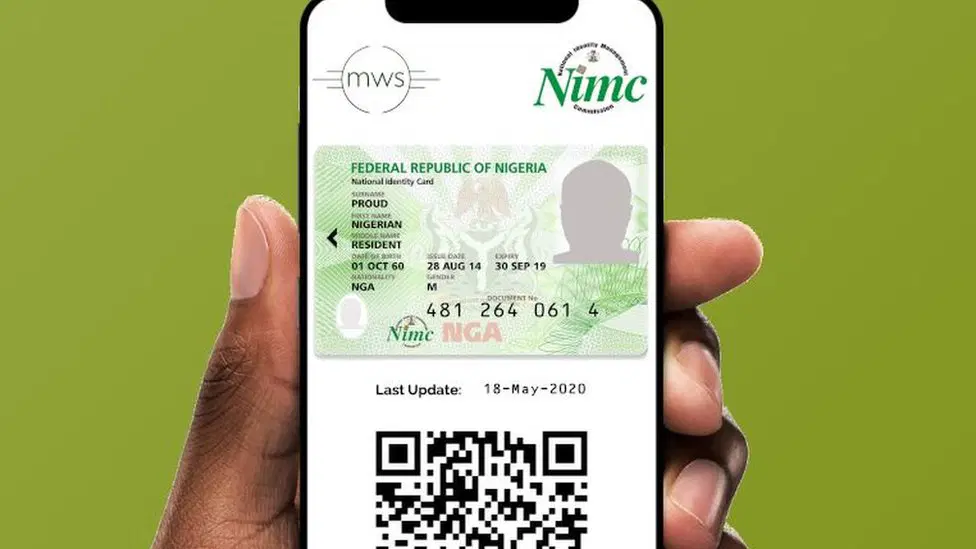
Front-End Partners engaged by the National Identity Management Commission to enrol Nigerians for National Identification Numbers have not received payment since January 2026, the World Bank has disclosed.
The disclosure was contained in the bank’s October 2026 restructuring paper for Nigeria’s Digital Identification for Development project.
The paper identified the outstanding payments as an operational challenge that must be addressed to achieve the target of 180 million NIN registrations. As of September 30, 2026, approximately 121 million Nigerians had been issued NINs, leaving a gap of about 59 million.
To support the enrolment drive, the World Bank said NIMC must ensure its billing system generates audited payment reports to enable the timely settlement of fees owed to enrolment partners.
“The billing system must generate audited FEP payment reports to enable timely NIN payments to FEPs, which have not been paid since January 2026,” the report stated.
The paper identified the outstanding payments as an operational challenge that must be addressed to achieve the target of 180 million NIN registrations. As of September 30, 2026, approximately 121 million Nigerians had been issued NINs, leaving a gap of about 59 million.
To support the enrolment drive, the World Bank said NIMC must ensure its billing system generates audited payment reports to enable the timely settlement of fees owed to enrolment partners.
During a restructuring mission in September 2026, NIMC reiterated the need to increase average monthly enrolment from 1.5 million to 3.9 million to achieve the 180 million NIN target, according to the World Bank.
The ward-level enrolment campaign, launched in March 2026, had generated 10 million new NINs as of the assessment date. The initiative is designed to extend enrolment services to remote areas, locations with low registration rates and disadvantaged groups.
NIMC had also licensed about 365 Front-End Partners, including mobile network operators, to provide enrolment services.
Other measures include collaborating with the Ministry of Education to commence school-based enrolment by December 2026, engaging local governments in communities with low registration rates, and partnering with social protection and health agencies to reach underserved populations.