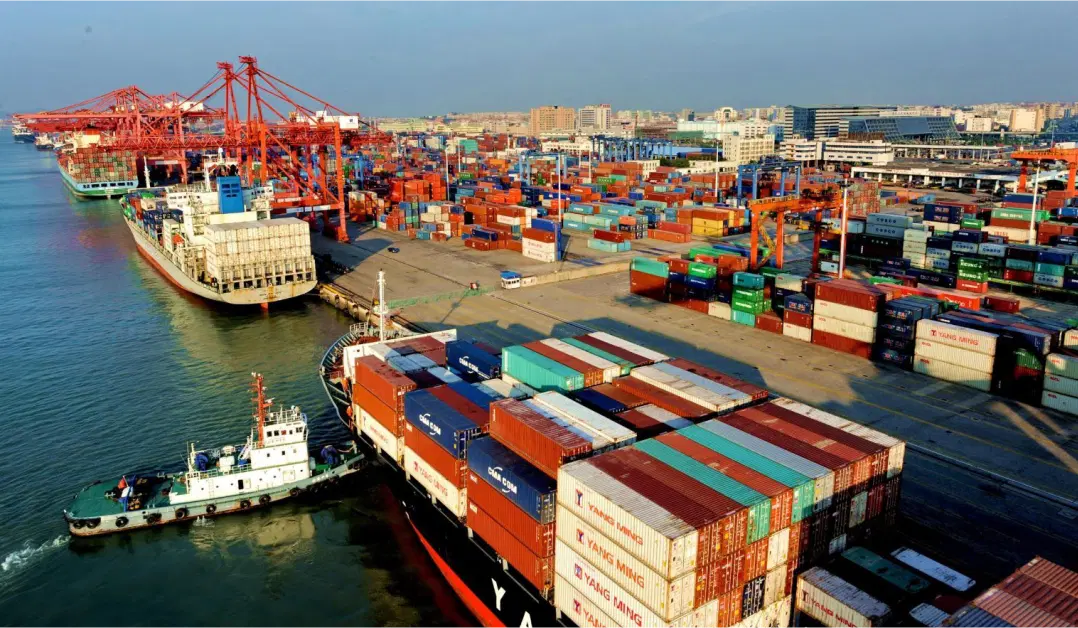
The Nigerian Maritime Administration and Safety Agency has threatened to sanction Port Facility Security Officers who do not report marine security incidents properly, cautioning that bypassing approved reporting channels amounts to a breach of international port security rules.
The warning came amid concerns that incident reports from port facilities were being sent to individual NIMASA officials rather than to the agency’s designated International Ship and Port Facility Security Unit.
In a notice signed by Mudi Isa, Head of the ISPS Code Unit, the agency instructed all PFSOs to send incident reports through the approved email address of the ISPS Unit.
The notice, titled “Non-Receipt of Incident Reports/Submission to Approved ISPS Unit,” said: “It has come to our attention that the Unit is currently not receiving your incident report emails, which poses a significant risk.”
NIMASA cautioned that failure to use the prescribed channel could have serious consequences for maritime security.
“Failure to report security incidents to the correct channels constitutes a breach of ISPS compliance,” it stated.
The agency specifically told port facility security personnel to stop sending or copying reports to the emails of individual NIMASA staff, unless they were expressly authorised to do so.
“Do not copy or send reports to individual staff emails unless explicitly authorised,” the notice stated.
NIMASA also directed PFSOs to confirm receipt of every incident report and to contact the ISPS Unit immediately if no acknowledgement was received within 24 hours.
“If you do not receive an acknowledgment from the ISPS Unit within 24hrs of submission, contact the Unit immediately via phone,” it said.
The agency further advised operators who were unsure of the approved reporting directory to contact the ISPS Unit for verification before submitting their reports.
NIMASA said the directive was intended to ensure that security incidents and anomalies are captured promptly and handled through a coordinated response mechanism.