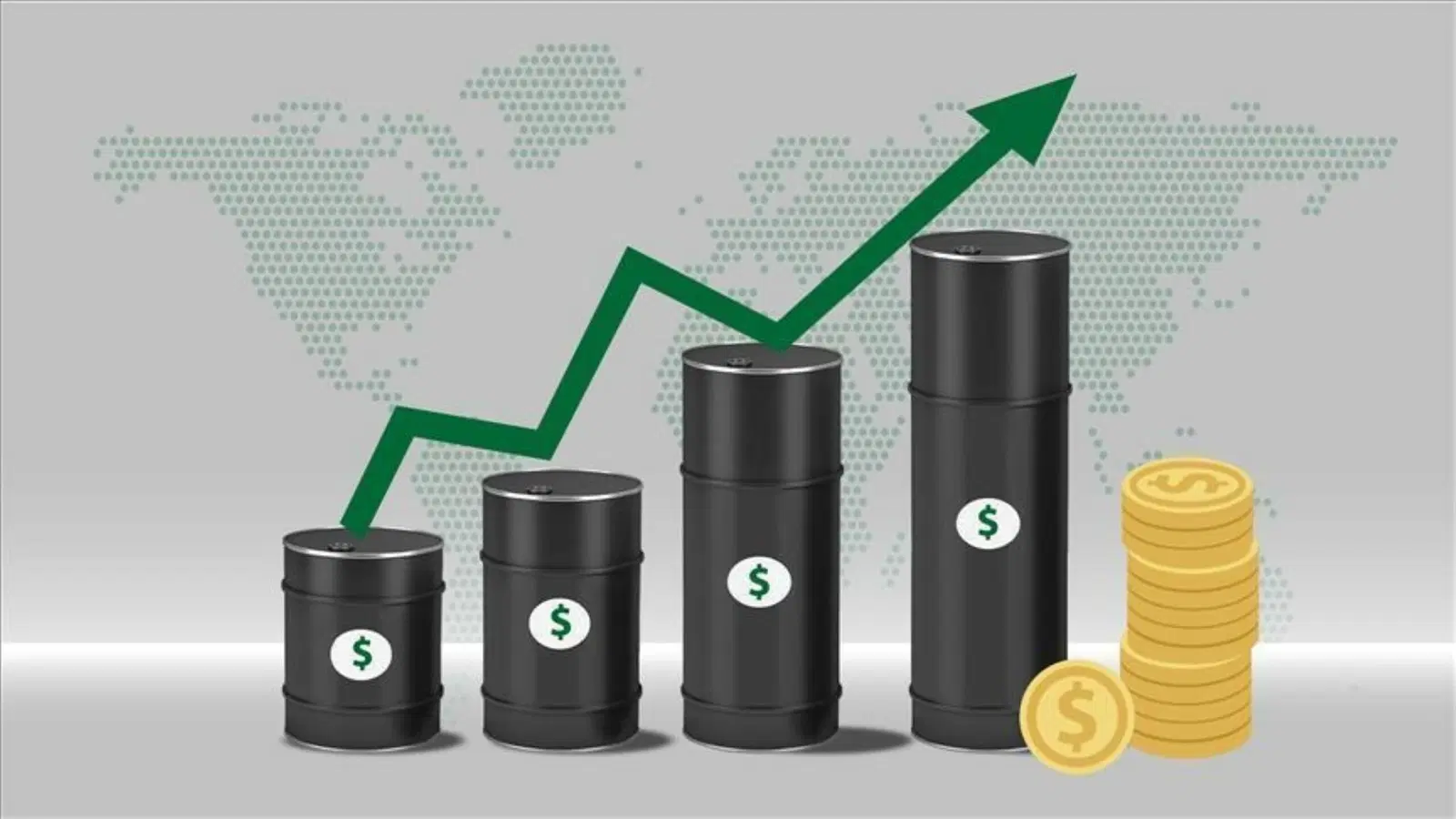
Petrol prices in Nigeria may rise again after Brent crude climbed to $115.18 per barrel on Friday, as fears of fresh military strikes on Iran stoked worries about further disruption to global oil supplies.
The latest surge in crude prices comes as Dangote Petroleum Refinery and other depot owners sell petrol at ₦1,350 per litre at their gantries.
A further rise in the cost of crude could add to pressure on domestic petrol prices, as marketers face higher replacement costs and may pass the increases on to consumers.
According to Oilprice.com, Brent crude reached a five-month high on Friday as escalating tensions in the Middle East heightened concerns over global oil supplies, raising the prospect of another petrol price increase in Nigeria.
The international benchmark gained 1.8 per cent to $115.18 per barrel.
United States West Texas Intermediate crude futures rose by two per cent to $101.56 per barrel, as expectations grew that Washington could resume military strikes on Iran in the coming weeks.
The rally comes as Nigerian consumers continue to struggle with elevated petrol prices, which have fuelled inflationary pressure and raised the cost of living.
No fresh increase has been announced by either refiners or importers.
However, sustained increases in international crude prices usually add to pressure on domestic petrol prices by raising feedstock and refined-product replacement costs.
CNBC reports that the latest oil price rally was driven by fears of renewed military escalation involving the United States and Iran, as well as attacks on energy infrastructure and shipping routes in the Middle East.
Reuters reported on Friday that Brent crude touched $115.16 per barrel, its highest level since May 4, as attacks by Houthi militants in Saudi Arabia heightened concerns about further disruption to energy supplies.
The agency’s report also noted the evacuation of Saudi Aramco’s headquarters in Dhahran as regional fighting intensified.
Brent futures were on course for a weekly gain of about five per cent, which would be their third consecutive weekly rise.
WTI was also heading for a weekly gain, although its advance was considerably smaller.
The renewed concerns followed remarks by United States President Donald Trump on Wednesday that Washington was not negotiating with Iran and that something would happen “fairly soon”.
His comments came amid reports that US and Israeli officials were weighing fresh strikes against Iran after the American midterm elections.
Iran’s army chief, for his part, said the country’s military was fully prepared for “asymmetric warfare” after strengthening its capabilities, according to the Iranian state media agency Tasnim.
The tensions have also spread to Saudi Arabia, where Iran-allied Houthi militants have continued their attacks.
The United States State Department has ordered non-essential personnel to leave the country over the security concerns.
A drone attack on the Shaybah oil field in Saudi Arabia’s Eastern Region on Wednesday reportedly killed two people and injured two others.
Another attack on King Fahd International Airport in Dammam left at least two people dead and eight injured, according to Saudi state media.
Reuters reported that Saudi Aramco had ordered staff to evacuate its Dhahran headquarters and work remotely following attacks by Iran-backed Houthi rebels.
The developments have raised fears of further disruption to crude production, exports and shipping across the Middle East, a region central to global energy supplies.
Of particular concern is the Strait of Hormuz, a strategic waterway through which a significant share of the world’s oil supplies normally passes.
Disruptions to shipping through the strait have already added to market volatility, while renewed attacks could further tighten supplies and raise freight and insurance costs.
For Nigeria, higher international crude prices could feed into the cost of petrol supplied by domestic refiners and imported products, depending on their crude procurement costs, refining margins, logistics and prevailing market prices.
Dangote Petroleum Refinery, a major supplier to the domestic market, last announced a rise in its petrol gantry price from ₦1,265 to ₦1,350 per litre, effective September 12.