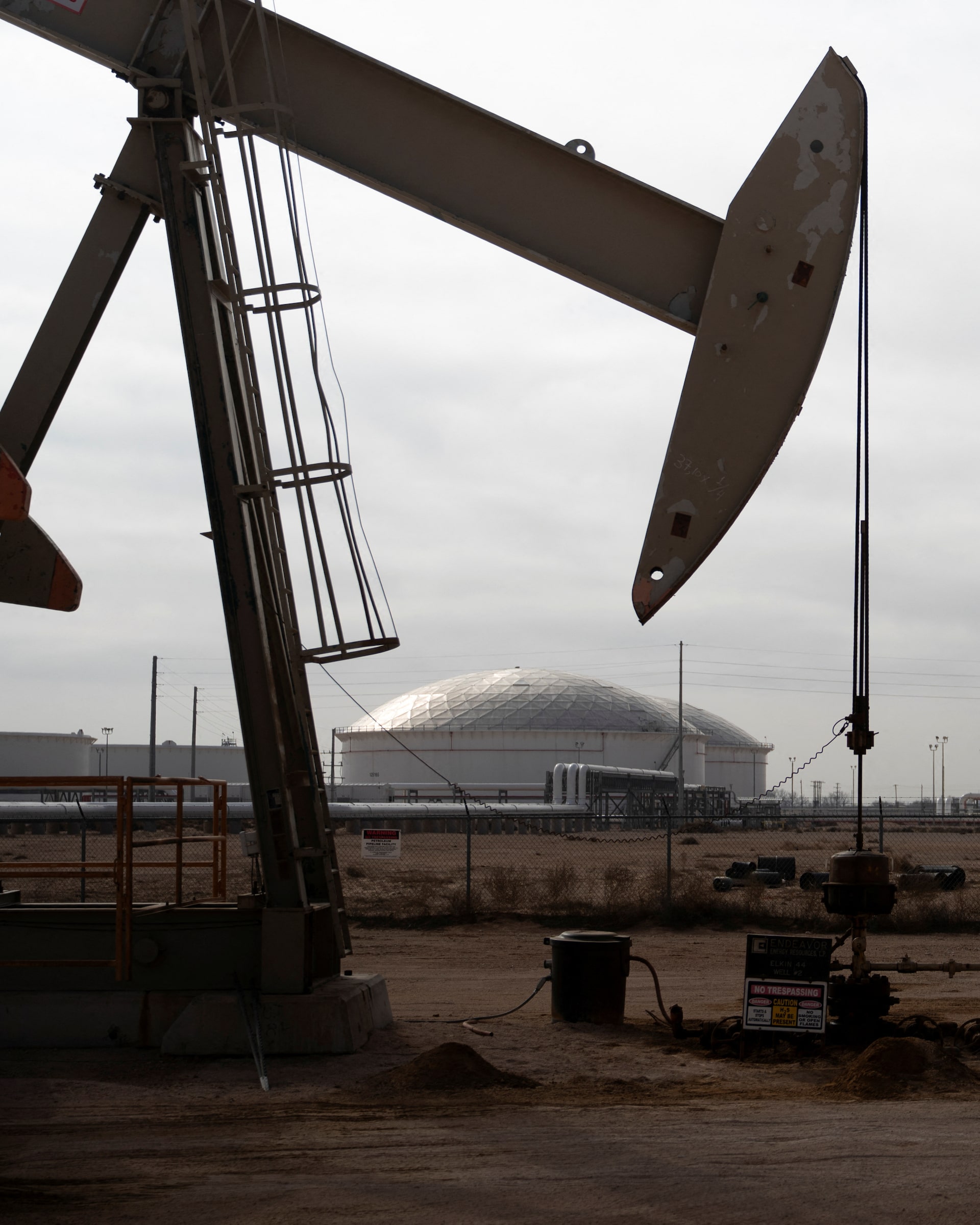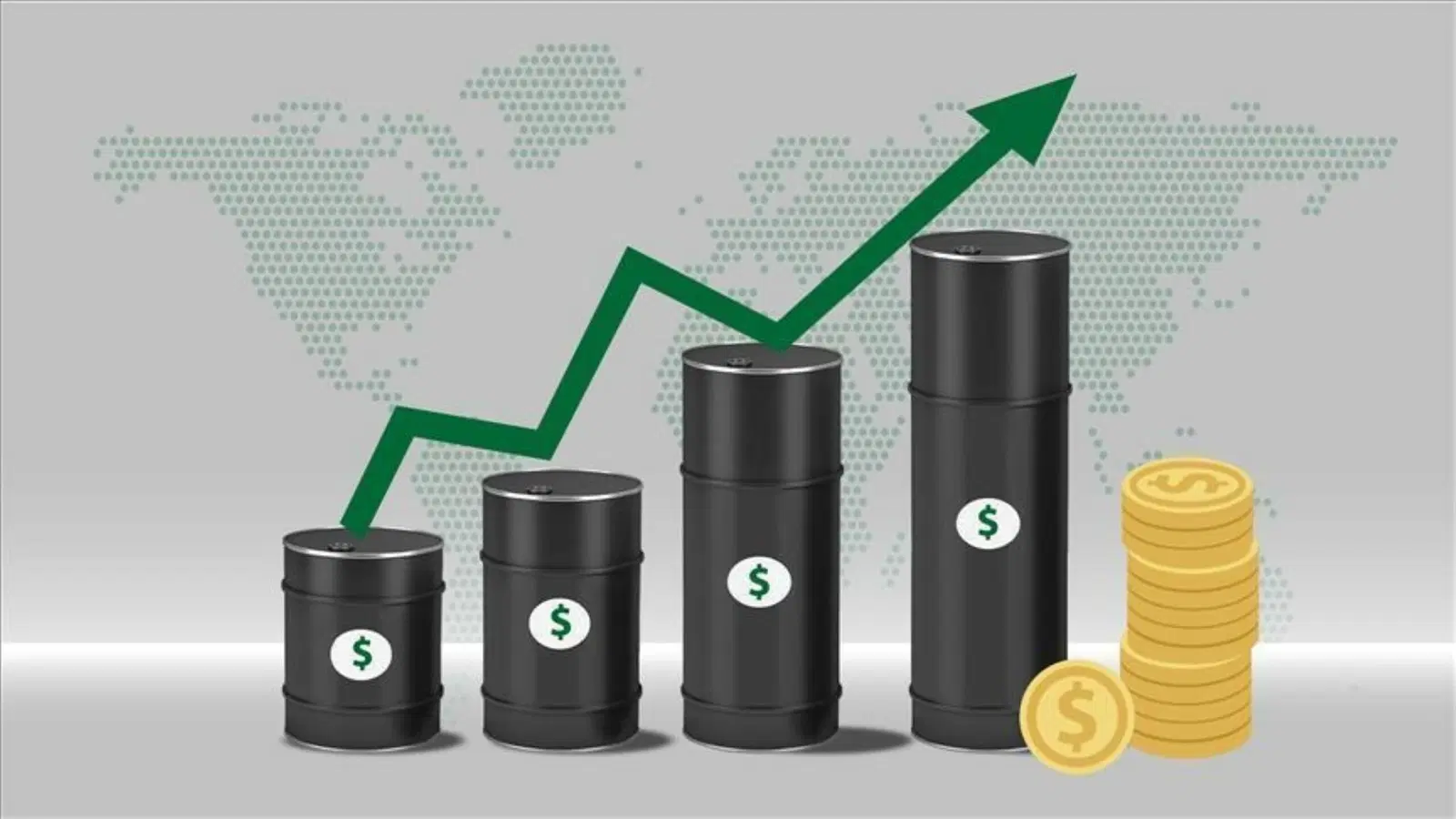
Oil prices traded at five-month highs on Friday, with Brent North Sea crude, the benchmark contract, rising above $115 a barrel as the Middle East conflict raged on.
Global markets were contending “with concerns around surging oil prices and the sustainability of AI spending”, noted AJ Bell head of financial analysis Danni Hewson.
“Oil is at five-month highs amid speculation there may be renewed US-Israeli strikes after next month’s US midterm elections.
“Escalating tensions in Ukraine and the prospect of increased energy demand as the northern hemisphere heads into the winter months are only adding to the upwards pressure on oil and gas prices,” Hewson added.
Brent crude for December delivery, the benchmark international oil contract, climbed as high as $115.45.
Wall Street’s main indices slid at the start of trading, with the blue-chip Dow sinking one per cent.
“The ongoing agitation of the oil market has contributed to the lack of a buy-the-dip impulse” that has often helped Wall Street stocks avoid pulling lower this year.
High oil prices also “keep inflation concerns and rate hike concerns on the front burner”, he added.
Higher borrowing costs would make it more expensive for companies to borrow, which could pull the rug out from under the breakneck development of AI that is being financed by debt and has underpinned the rise in equity markets this year.
Stock markets in Europe mostly fell after poorly received earnings from Gucci parent Kering and Swedish group Volvo Cars.
Asian equity indices closed the week mixed as technology firms managed to claw back some of the week’s heavy losses.
Rising energy prices have influenced movements across stock markets in recent days, along with developments in the AI sector.
Facebook parent Meta and chip equipment maker Lam Research saw their share prices dive this week despite above-forecast earnings for both companies.
“Strong results are no longer enough if the outlook fails to match an already demanding valuation,” noted Fawad Razaqzada, a markets analyst at traders FOREX.com.
“Investors are becoming much less forgiving.”
Non-AI companies have also seen their share prices slump this week.
Kering shed more than 16 per cent in Paris afternoon deals on Friday after the French luxury group published results that failed to reassure investors about a turnaround at its key Gucci brand.
Volvo Cars, meanwhile, plunged more than 26 per cent after it said US tariffs and strong competition from local brands in China pushed it into a third-quarter loss.
In response, the company announced a new five-billion-kronor savings plan, which it said would lead to about 2,000 job cuts in Sweden and 500 more globally.
Aside from energy markets, AI and earnings next week, focus will fall firmly on interest-rate meetings for the US Federal Reserve and the European Central Bank, as well as an update on US economic growth data.
Key figures at around 1330 GMT:
Brent North Sea crude was up 1.9 per cent at $115.29 per barrel.
West Texas Intermediate was up 2.3 per cent at $101.76 per barrel.
New York Dow was down 1.0 per cent at 52,362.08 points.
New York S&P 500 was down 0.5 per cent at 7,628.15.
New York Nasdaq Composite was down 0.4 per cent at 25,914.05.
London FTSE 100 was down 0.6 per cent at 10,666.06.
Paris CAC 40 was down 0.9 per cent at 7,739.94.
Frankfurt DAX was down 1.1 per cent at 25,088.15.
Tokyo Nikkei 225 was down 0.3 per cent at 62,693.16 at the close.
Hong Kong Hang Seng Index was up 0.7 per cent at 23,093.37 at the close.
Shanghai Composite was up 0.9 per cent at 3,690.48 at the close.
The euro was down at $1.1198 from $1.1217 on Thursday.
The pound was down at $1.3374 from $1.3399.
The dollar was down at 156.44 yen from 156.86 yen.
The euro was down at 83.76 pence from 83.78 pence against the pound.