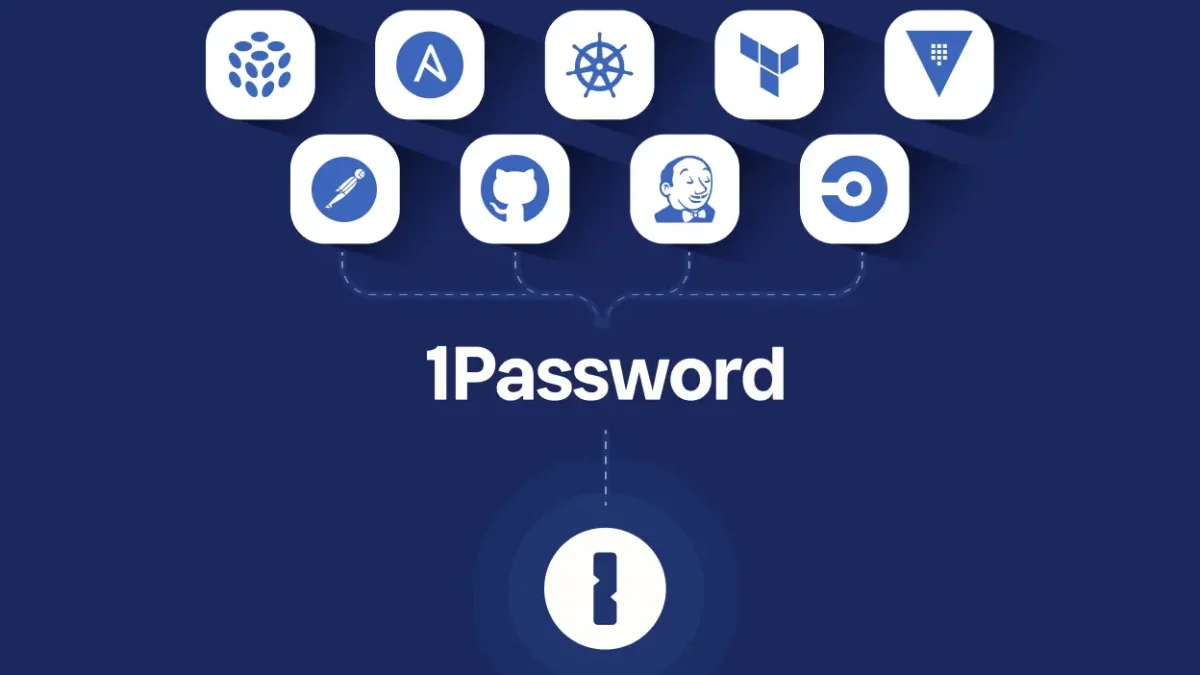
Password manager 1Password has launched a new security tool that allows artificial intelligence agents to access users’ personal accounts without exposing their login credentials, as concerns grow over the security risks associated with AI-powered assistants.
The new platform, called 1Password for Agents, was launched on Thursday to enable users to delegate online tasks to AI agents while maintaining control over access to their accounts.
The tool establishes a secure communication system between the AI agent, the user and 1Password.
When an agent attempts to log into an account on behalf of a user, it sends a unique digital key to 1Password to verify its identity.
The user then receives an alert about the login attempt and can approve the request before access is granted.
Once authorised, 1Password automatically supplies the necessary credentials, allowing the agent to sign in and complete the assigned task without directly accessing or viewing the user’s passwords.
“Handing over a password, secret, or credential is a common shortcut to an agent, but can leave people with sensitive information in places they can no longer control as a copy gets saved for the next time,” the company said in a blog post. “1Password for Agents gives people a trusted way to delegate tasks to personal AI agents while keeping control of the passwords, secrets, and credentials those tasks require.”
The development comes amid growing concerns about the security implications of allowing AI agents to interact with personal accounts and perform tasks on behalf of users, particularly as the technology becomes increasingly integrated into digital services.
According to the company, 1Password for Agents supports several AI-powered assistants, including Claude from Anthropic, OpenAI’s Dots and ChatGPT Work, Grok Bot, Meta’s Muse, and agents developed by AI assistant startup Town.
The company said it was working with additional technology providers to expand the service’s compatibility with other AI agents.
The launch reflects growing efforts by cybersecurity companies to develop safeguards that allow AI agents to perform tasks requiring access to sensitive accounts without compromising users’ credentials.
The growing use of AI agents is raising concerns among major institutions.
However, the development presents potential security risks, particularly as institutions like banks struggle to distinguish between activities authorised by customers and those initiated without their consent.
The inability to establish whether AI-driven actions are linked to legitimate user requests could complicate fraud detection and account security.
As AI agents take on more responsibilities, including accessing websites and managing online activities, secure authentication systems are becoming increasingly important in ensuring that users retain control over their digital identities and personal information.