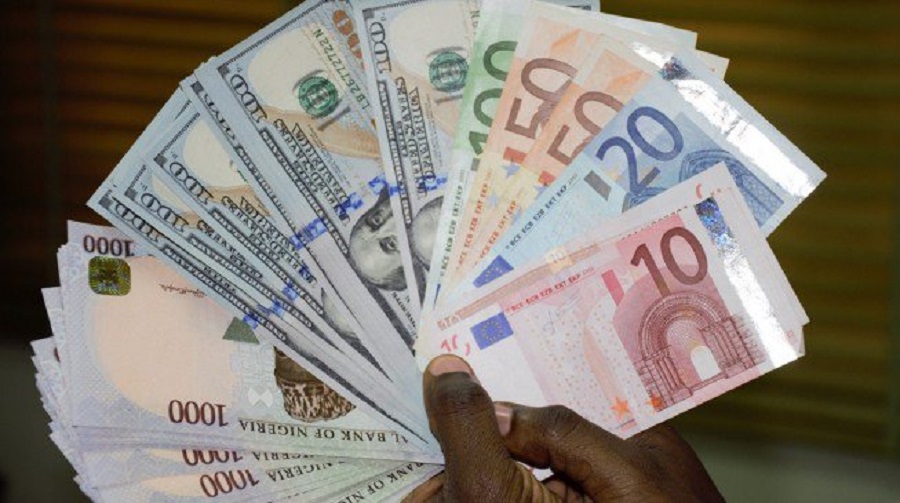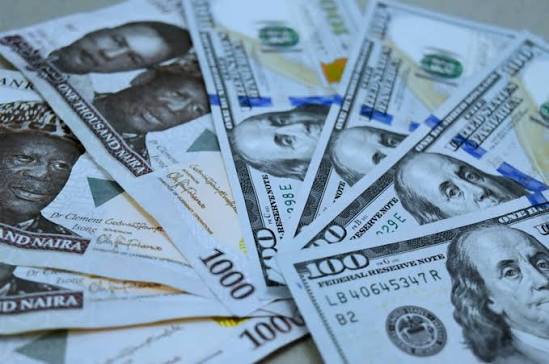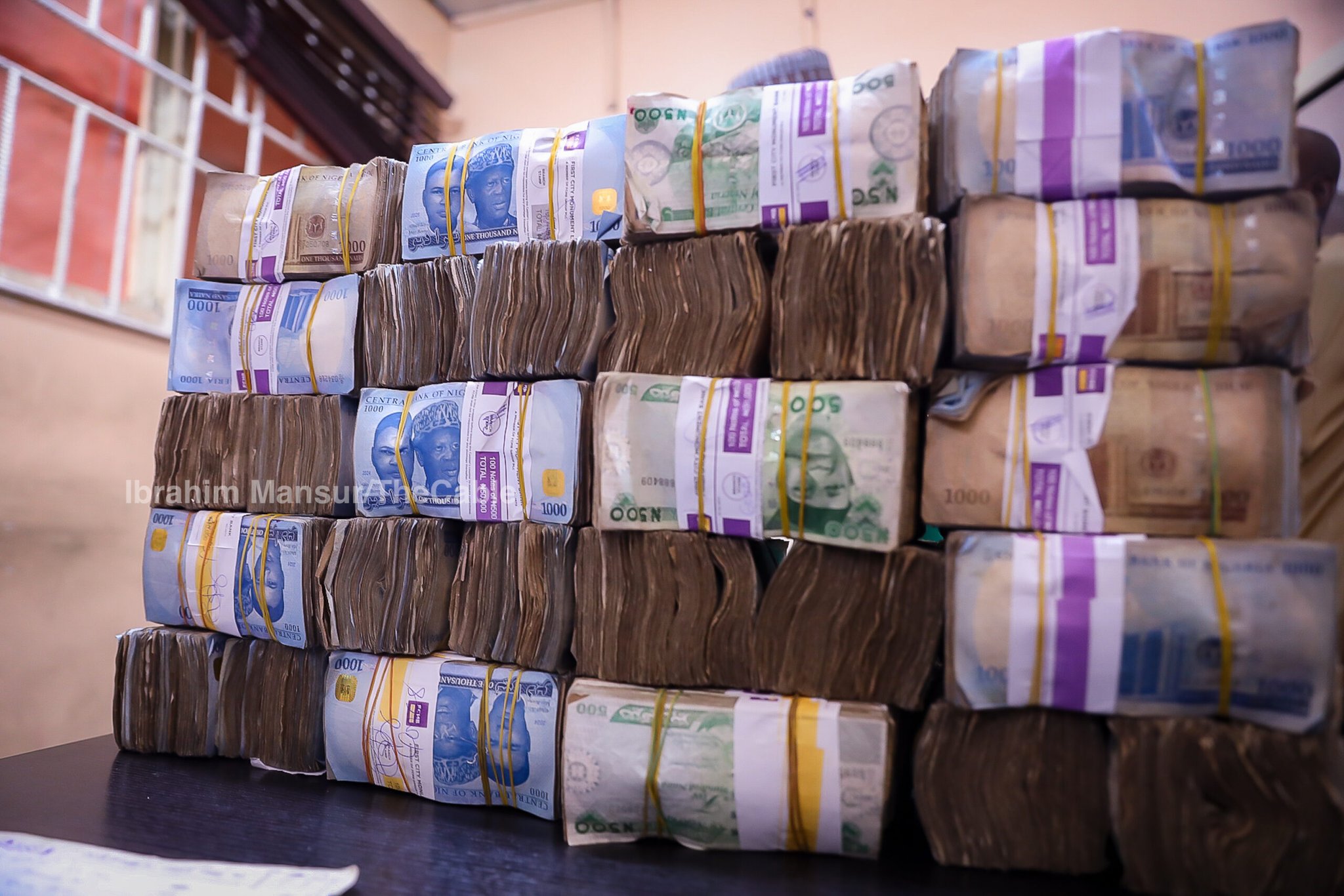
Currency in circulation in Nigeria climbed by 81 per cent to N5.44 trillion in August 2026, up from N3.01 trillion in August 2023, highlighting sustained demand for physical cash even as electronic payments have expanded rapidly over the past three years.
Figures from the Central Bank of Nigeria’s Money and Credit Statistics show that the sharpest rise occurred between August 2023 and August 2024, when currency in circulation moved from N3.010 trillion to N4.55 trillion. This represented an increase of N1.54 trillion, or 51.1 per cent.
Growth eased considerably in the years that followed. In August 2025, currency in circulation rose to N5.057 trillion, an increase of N508 billion, or 11.2 per cent, over the previous year.
By August 2026, the pace of growth slowed further, although the figure reached a new high of N5.436 trillion. This was an increase of N379 billion, or 7.5 per cent Year-on-Year, YoY.
The figures therefore show that while the volume of physical cash in circulation has continued to grow, the rate of increase has slowed markedly, from 51.1 per cent in 2024 to 11.2 per cent in 2025 and 7.5 per cent in 2026.
The rise in currency in circulation came alongside a significant increase in banks’ reserves. According to the data, banks’ reserves grew from N18.528 trillion in August 2023 to N25.456 trillion in August 2024, a rise of N6.928 trillion, or 37.4 per cent.
They climbed further to N31.583 trillion in August 2025 and reached N36.067 trillion in August 2026. Overall, banks’ reserves increased by N17.539 trillion, or 94.7 per cent, between August 2023 and August 2026. The CBN’s monetary statistics classify currency in circulation and banks’ reserves as components of reserve money, also known as base money.
Commenting on the development, David Adonri, Managing Director of High Cap Securities Limited, said: “When more money is held as physical cash, a portion of liquidity is outside the immediate deposit base of commercial banks and is therefore less available for banks to intermediate through loans and other financial assets.
“However, the rising currency stock should not automatically be interpreted as evidence of excessive liquidity or inflationary pressure. Demand for cash can also increase because of higher nominal prices, larger transaction values and the expansion of economic activity.
“The increase is particularly noteworthy because Nigeria has experienced rapid growth in electronic payments, mobile banking, fintech services and instant-payment platforms.
“The continued expansion of physical currency therefore suggests that Nigeria’s digital-payment revolution has not eliminated the country’s cash economy.”