

The Federal Government has begun construction of five interconnected mini-grid projects with a combined capacity of 17.7 megawatts in Oyo State, while ruling out any plan to increase electricity tariffs.
The Minister of Power, Joseph Tegbe, announced the projects at their groundbreaking ceremony, saying the initiative would improve electricity access, support businesses and reduce dependence on generators in the beneficiary communities.
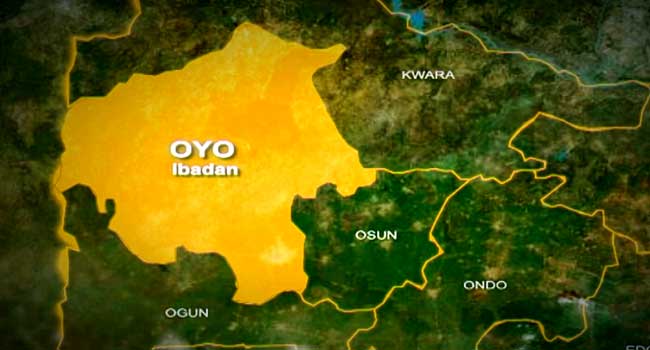
The projects are located in Akinyele, Ido, Ibadan North, Egbeda and Lagelu Local Government Areas.
They comprise the Bola, Jiboye, Molade-Adelubi, Ogo Oluwa and Sooko-Elega interconnected mini-grids.
The initiative is backed by a 17.74-megawatt battery energy storage system, designed to support electricity supply and improve reliability.
Tegbe said the projects formed part of the Federal Government’s broader efforts to expand electricity access under President Bola Tinubu’s Renewed Hope Agenda.
According to a statement issued on Thursday, the minister said the projects were expected to improve electricity supply to households and businesses, extend operating hours and create opportunities for investment and job creation.
The statement read, “The Minister of Power, Joseph Tegbe, has announced the commencement of five interconnected mini-grid projects with a combined capacity of 17.7 megawatts in Oyo State, while dismissing reports of a planned increase in electricity tariffs. The projects are designed to improve electricity access in communities across Akinyele, Ido, Ibadan North, Egbeda and Lagelu Local Government Areas of the state.
“The initiative is expected to improve electricity supply to homes and businesses, reduce dependence on generators, extend working hours and create a more favourable environment for investment and job creation.”
The minister said the projects reflected the importance of collaboration among government agencies, private companies and development partners in tackling the country’s electricity challenges.
He acknowledged the contributions of the Rural Electrification Agency (REA), Paras Energy and Natural Resources Development Limited, the World Bank and the Ibadan Electricity Distribution Company to the initiative.
Tegbe also commended the Oyo State Government, traditional rulers, community leaders and residents of the host communities for their cooperation.
He specifically acknowledged the support of the Olubadan of Ibadanland in making the projects possible.
The minister said similar interventions supported by the REA had been carried out in communities across Kwara, Niger, Nasarawa, Plateau, Adamawa and Kaduna states.
Responding to concerns about a possible rise in electricity tariffs, Tegbe dismissed reports suggesting that the Federal Government planned to increase rates, and urged Nigerians to disregard them.
He said the government’s priority was to improve electricity supply and work towards round-the-clock power, rather than announce a tariff increase.
Tegbe identified three proposed energy corridors as part of the government’s plan to improve electricity availability.
They are the Lagos-Ogun corridor, the Abuja-Kaduna-Kano corridor and the Benin-Enugu-Port Harcourt corridor.
He said the government also planned to strengthen the national grid along the eastern and western corridors.
The interventions will cover strategic generation and transmission locations, including Funtua, Kainji, Gwagwalada, Gombe, Makurdi, Ajaokuta, Ikot Ekpene, Benin and Egbin.
According to the minister, the objective is to extend improvements in electricity stability and reliability beyond the initial energy corridors and make 24-hour electricity supply achievable across the country.
Tegbe formally flagged off the projects on behalf of Tinubu, expressing optimism that their completion would strengthen livelihoods and widen economic opportunities in the beneficiary communities.
The projects come amid persistent concerns over unreliable electricity supply, the cost of alternative power sources and the effect of energy costs on businesses and households.
Mini-grids are designed to supply electricity to communities through localised power systems, either independently or in coordination with the wider electricity network.
When properly implemented, they can help extend electricity access to underserved areas and reduce reliance on petrol and diesel generators.