




Emir of Kano, Muhammadu Sanusi II, has said he regrets delaying the entry of telecommunications companies into Nigeria’s financial services sector during his tenure as governor of the Central Bank of Nigeria.
Sanusi spoke on Wednesday at the launch of the 2026 Access to Financial Services in Nigeria survey, organised by Enhancing Financial Innovation & Access.
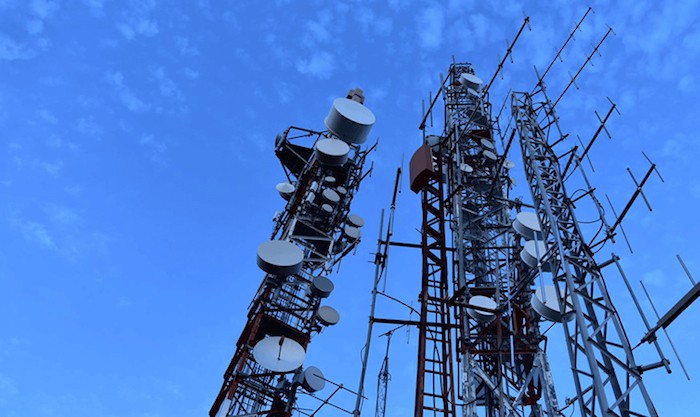
He said telecom companies already possessed the infrastructure and reach that could have accelerated financial inclusion, particularly in underserved communities.
“One of my regrets as CBN governor was delaying telcos’ entry into financial services,” he said.
The former CBN governor said financial inclusion should not be measured simply by the number of people with bank accounts or the ability to transfer money.
“Opening an account and moving money is not the same thing as earning money or moving people out of poverty,” he said.
Sanusi said financial services should be linked to the real economy, particularly agriculture, manufacturing and other productive sectors.
He cited the example of groundnut farmers in Kano, noting that a company producing ready-to-use therapeutic food for malnourished children had to import peanuts from Argentina because local farmers were unable to produce the commodity to the required quality.
According to him, the solution was not simply to place farmers on digital financial platforms but to train them, improve their productivity and connect them with buyers.
He said financial inclusion should create a link between farmers, markets and manufacturers.
Sanusi urged the CBN to prioritise price stability, warning that inflation posed a major threat to savings and wealth creation.
“There is no enemy to savings, no enemy to wealth that is bigger than inflation,” he said.
The traditional ruler also advocated the use of transaction data generated by fintech companies and payment service providers to develop savings, pension and insurance products for Nigerians who may not have conventional banking relationships.
He said platforms with extensive transaction data and reach in rural communities could channel small amounts from transactions into savings, pensions or insurance where appropriate systems were available.
Sanusi suggested that even N100 could be deducted from a transaction and directed towards savings or insurance.
He also said insurance products could be designed to protect market traders against risks such as fire outbreaks, and farmers against crop failures.