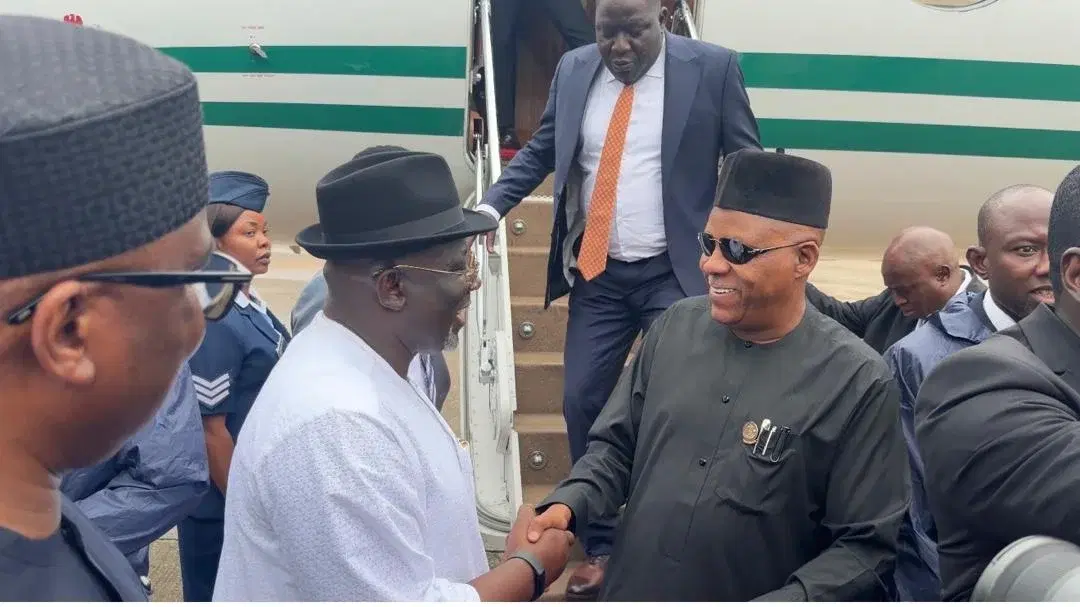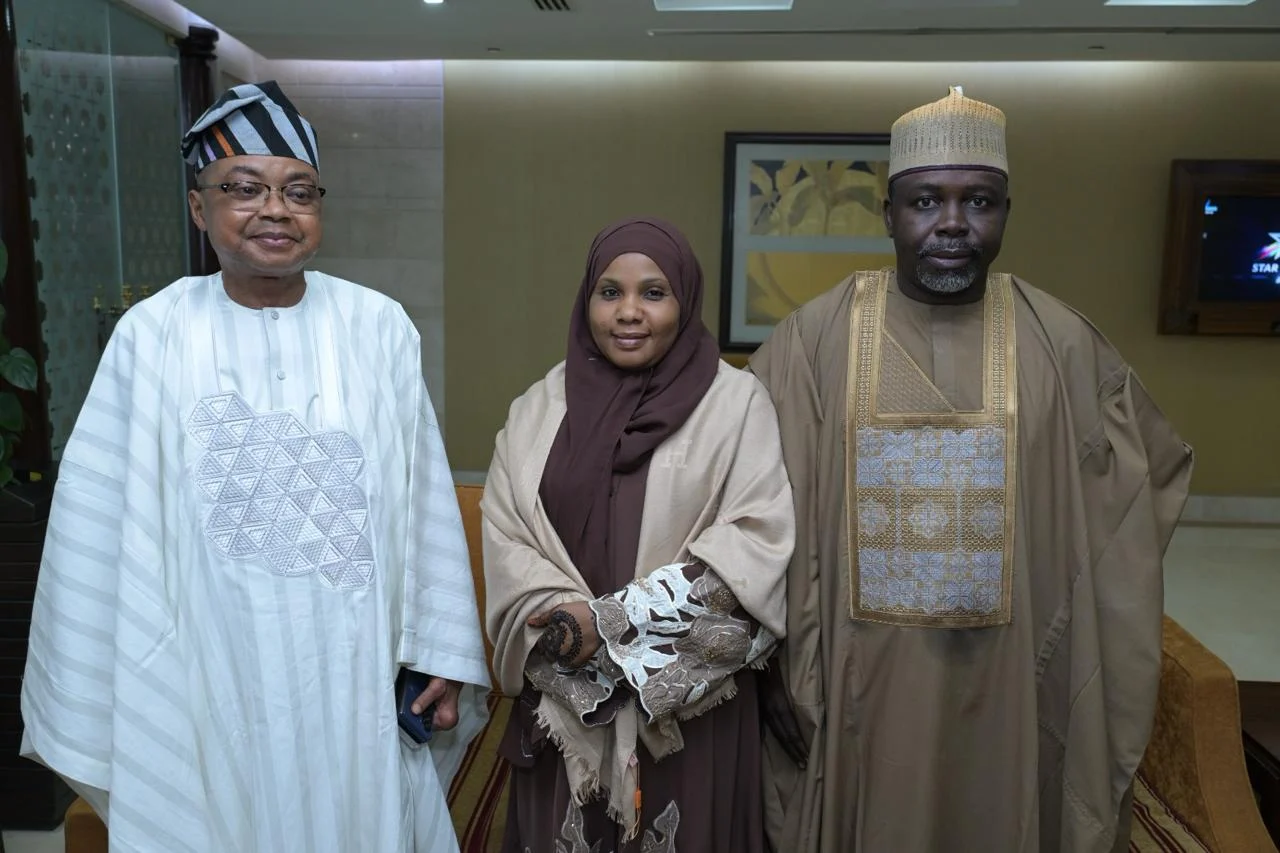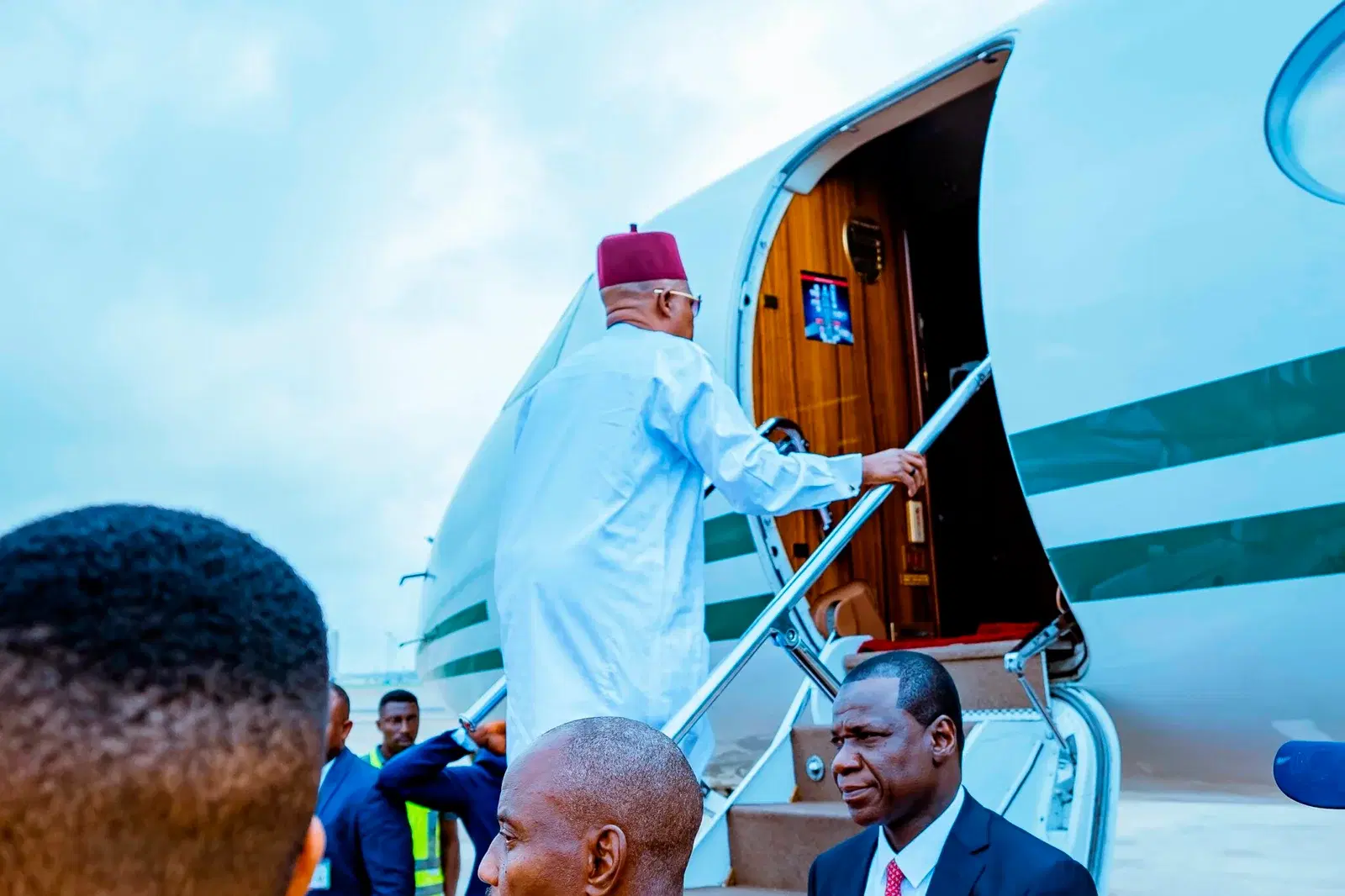

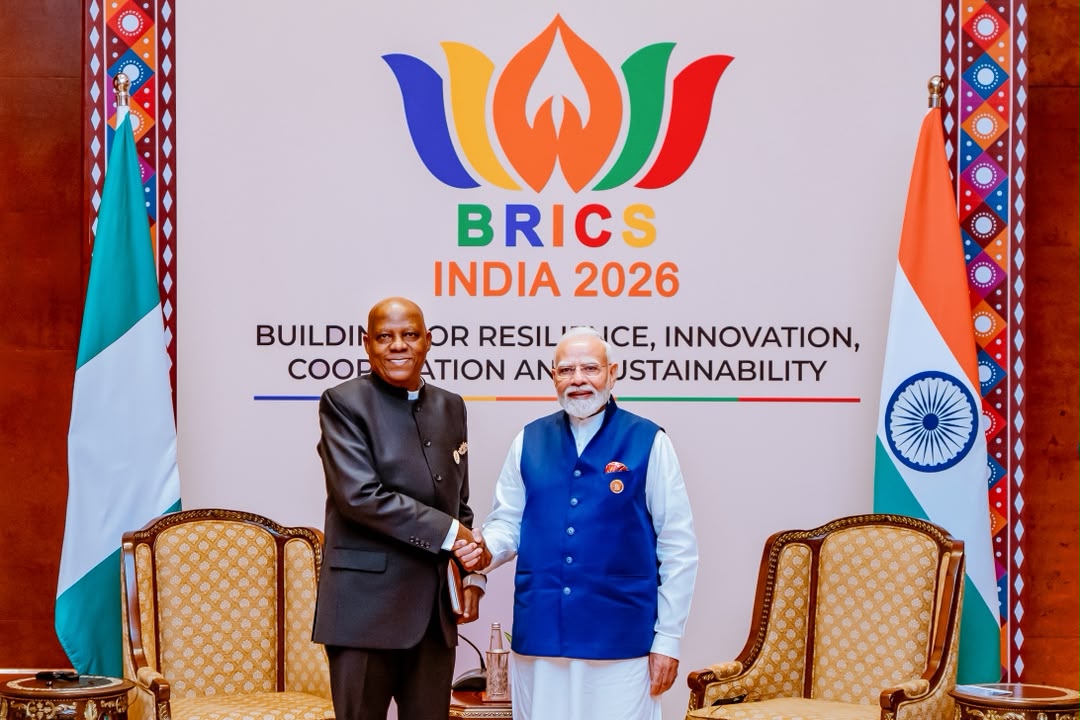
Vice President Kashim Shettima has returned to Nigeria following his participation in the 18th BRICS Leaders’ Summit held in New Delhi, India, where he represented President Bola Tinubu.
He arrived back on Tuesday after taking part in high-level summit sessions and a series of bilateral talks covering trade, investment, energy, technology, healthcare and other sectors regarded as strategic to Nigeria’s growth.
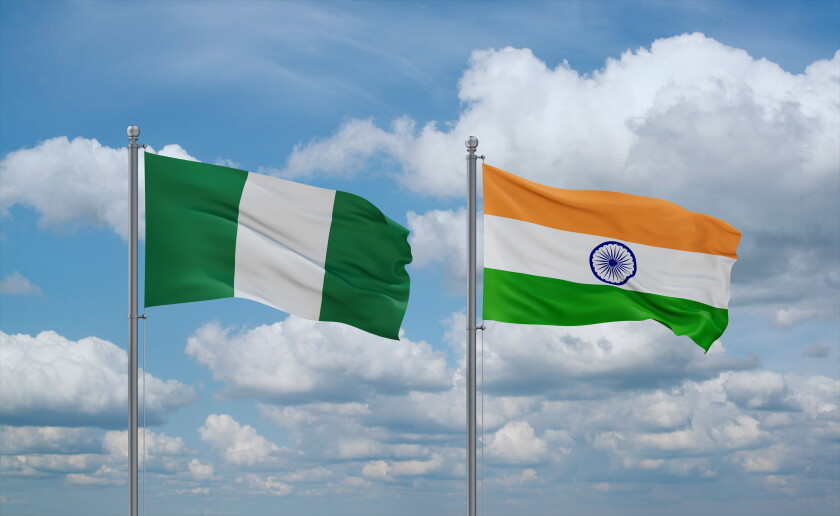
Among the notable engagements was his meeting with Indian Prime Minister Narendra Modi, where both leaders discussed ways to strengthen economic relations between their countries, including the prospect of India increasing its purchase of crude oil from Nigeria once again.
This conversation came against the backdrop of a steep drop in trade volume between the two nations. Bilateral trade, which was valued at about $14.95 billion in the 2021 to 2022 financial year, fell to $7.13 billion in 2024 to 2025, before climbing back to around $9 billion in 2025 to 2026.
These figures had earlier been disclosed by India’s High Commissioner to Nigeria, Abhishek Singh, who attributed much of the decline to reduced Indian purchases of Nigerian crude.
In light of this, Modi called for a renewed push toward stronger crude oil purchases from Nigeria, noting that improved energy ties could help restore bilateral trade and commercial relations.
Shettima responded by noting that the Nigerian government would give consideration to the proposal as part of the Tinubu administration’s broader push to draw in new investments and forge partnerships capable of boosting the country’s productive capacity.
He also stressed that Nigeria’s interest went beyond the traditional exchange of commodities, pointing instead toward a more diversified economic relationship with India.
He identified pharmaceuticals, defence, digital technology and the creative sector as areas holding considerable promise, adding that any cooperation with India ought to generate jobs, facilitate knowledge and technology transfer, and open up more economic opportunities for Nigeria’s sizeable youth population.
Both leaders also explored possible areas of collaboration in renewable and clean energy, electricity, healthcare, fintech and other emerging sectors of shared interest.
Shettima said the administration was pursuing partnerships that could support local manufacturing and boost value addition within Nigeria, rather than sustaining an economic relationship built mainly on commodity trade.
While in New Delhi, the Vice President also met with the Director-General of the World Trade Organisation, Ngozi Okonjo-Iweala, reaffirming Nigeria’s commitment to multilateral cooperation and to building a global economic system that is more inclusive.
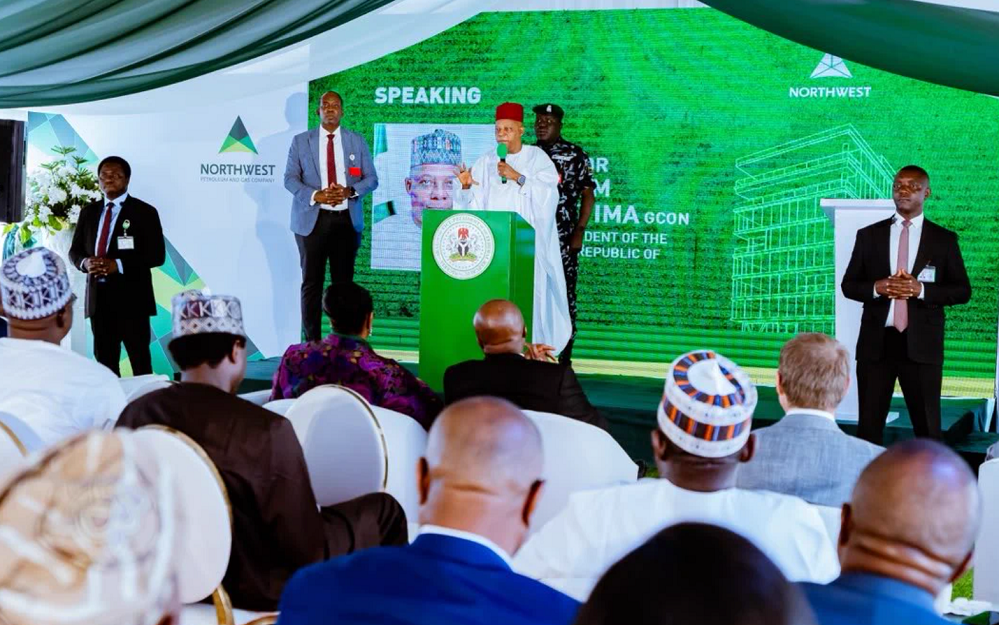
Addressing the BRICS summit, Shettima relayed President Tinubu’s call for reforms to global governance structures and international financial institutions.
He also described Nigeria as a strategic entry point to Africa’s growing consumer market through the African Continental Free Trade Area, and urged deeper cooperation with BRICS countries and partner nations in agriculture, artificial intelligence, digital infrastructure, manufacturing, healthcare, energy and human-capital development.
The Federal Government also pointed to India’s women-led self-help group system as a model Nigeria could learn from in expanding women’s economic participation.
Minister of Women Affairs, Imaan Sulaiman-Ibrahim, said the government was adapting elements of the Indian approach through the Nigeria for Women Programme Scale-Up and Women Affinity Groups, with the aim of widening women’s access to funding, skills development and markets.
She said growing the number of women engaged in productive economic activity was central to the administration’s target of building a $1 trillion economy.
“Women’s economic empowerment is fundamental to our ambition of building a $1 trillion economy. We must deliberately bring millions more Nigerian women into productive economic activity,” the minister said.
Modi also expressed appreciation for the hospitality Nigeria has extended to the large Indian community living and doing business in the country.
Nigeria and India agreed that stronger private sector involvement would be key to expanding their bilateral relationship, particularly in industries where Indian firms have notable expertise and where demand in Nigeria remains strong.
Both countries further pledged to sustain regular political and economic engagement through the India-Africa partnership framework and other multilateral platforms.
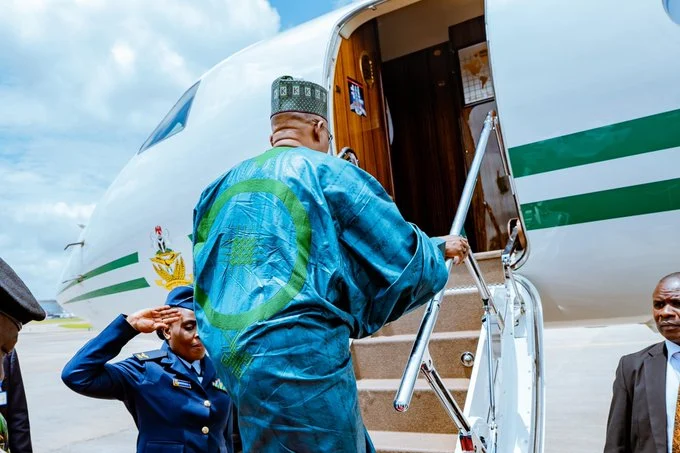
Shettima had departed for New Delhi on Friday as the Federal Government stepped up efforts to broaden Nigeria’s economic partnerships and deepen its strategic ties with emerging global powers.