




The Nigeria Internet Registration Association is exploring measures to make internet domain names more affordable and accessible to small and medium-sized businesses, as part of efforts to encourage more Nigerian businesses to establish digital identities using the .ng domain.
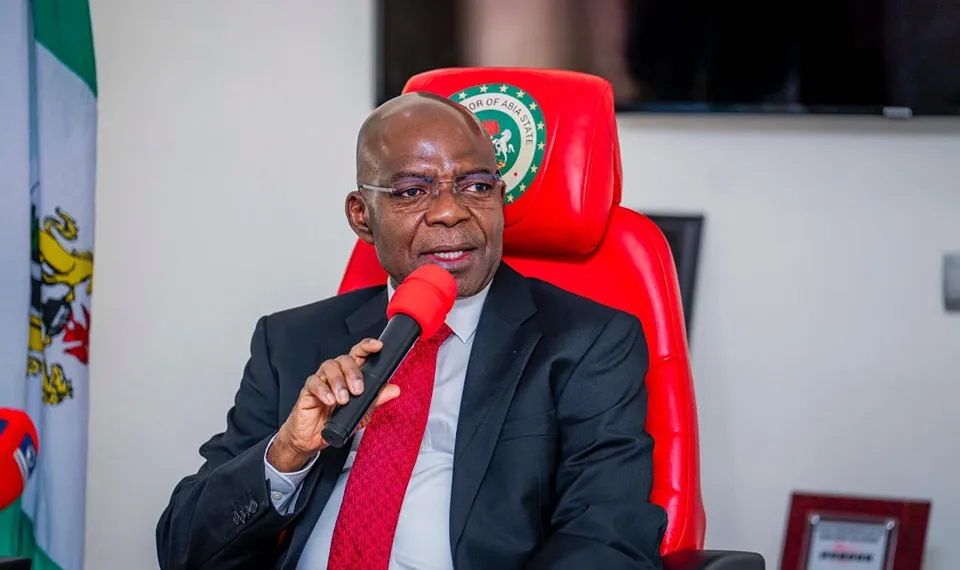
NiRA President, Adesola Akinsanya, disclosed this in an interview with the News Agency of Nigeria in Lagos.
Akinsanya said the association was considering initiatives that would enable businesses to register, renew and secure their domains at more affordable rates.
According to him, discounted bundle packages offered through NiRA-accredited registrars are among the measures being promoted.
He said the packages could combine .com.ng domains with web hosting, one-page websites and other business tools, giving small businesses basic resources to establish an online presence.
“These packages would provide small businesses with the basic resources required to establish an online presence,” Akinsanya said.
He also proposed the introduction of SME domain vouchers for businesses accessing digital services through commerce partners and business associations.
Under the proposed arrangement, participating registrars would provide registration services while NiRA would offer wholesale subsidies to reduce costs.
“The initiative could be implemented through partnerships with SMEDAN, the Bank of Industry and state level SME agencies,” he said.
Akinsanya also identified chambers of commerce and digital skills programmes as potential partners.
The Nigerian domain name .ng has witnessed slow adoption despite its inherent benefits, as many web developers opt for the global .com domain instead.
Last year, the Nigerian Senate, the Bureau of Public Procurement (BPP), and the NITDA joined a broad coalition of stakeholders to call for the urgent and comprehensive implementation of .ng domain adoption to promote and solidify Nigeria’s digital identity.
While the .ng ccTLD already ranks second in Africa, they stressed that the national drive to patronise “Made-in-Nigeria” products and services, as espoused by President Bola Ahmed Tinubu’s policy, must now aggressively extend to the digital space.
Owning Nigeria’s digital identity through .ng is seen as both an act of sovereignty and a strategic necessity in an era where governance, business, and innovation are increasingly digital-first.
The NiRA president said the association was examining measures to address domain squatting, where potentially valuable domain names are registered for resale or to prevent legitimate businesses from securing them.
He said NiRA currently operates a structured process for resolving domain name disputes.
According to him, formal complaints can be submitted to the Registry, which facilitates communication between complainants and registrants.
The process supports dispute resolution in line with NiRA’s domain name policies and procedures.
Akinsanya also proposed a Brand or Trademark Notification Service to strengthen protection for registered brands.
Under the proposed system, verified trademark owners could register their trademarks with NiRA-accredited registrars and receive alerts whenever exact, similar or related brand names are registered across .ng namespaces.
“The proposed notification system would not automatically give trademark owners ownership of disputed domains,” he said.
He explained that the service would instead provide an early warning mechanism for identifying potentially problematic registrations.
Earlier this year, NiRA launched DNS Security Extensions (DNSSEC) on the .ng domain, in a move aimed at strengthening the country’s digital infrastructure and cybersecurity framework.
The development places Nigeria among countries adopting advanced technologies to secure their internet ecosystems, while reinforcing efforts to build a resilient and globally competitive digital economy.
DNSSEC is an internet security protocol designed to protect users and organisations from cyber threats that redirect internet traffic to fraudulent or malicious websites. It introduces cryptographic verification into the Domain Name System, helping ensure users visiting .ng websites are connected to authentic destinations.