





The Federal Government has unveiled the Tinubu Light Initiative, a programme designed to provide affordable renewable energy solutions to one million micro, small, and medium enterprises.
Projections also indicate the initiative could stimulate more than N172 billion in economic activity annually and create over 50,000 direct jobs.
Minister of Innovation, Science and Technology Dr. Kingsley Udeh announced the initiative alongside the National Showcase of the NextGen Innovation Challenge 2026 at an event in Abuja on Thursday, themed “Igniting Indigenous Innovation, Transforming Nigeria, Inspiring the World.”
The minister was represented by Permanent Secretary Dr. Mukhtar Muhammad.
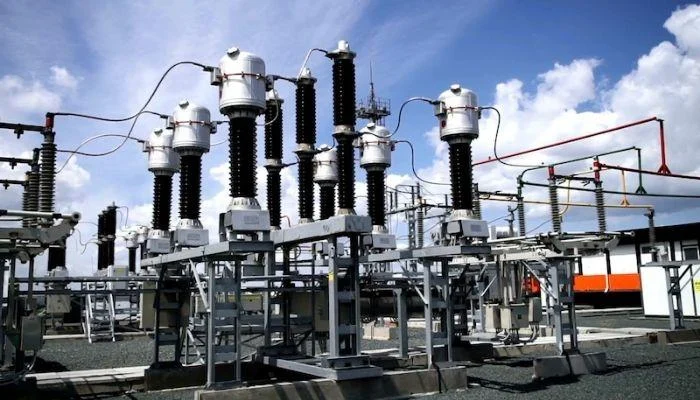
The Tinubu Light Initiative is designed to reduce operating costs for small businesses by cutting dependence on fossil fuel generators.
The government said it will also accelerate financial inclusion and strengthen Nigeria’s productive economy.
The NextGen Innovation Challenge, which ran alongside the launch, received more than 3,000 applications from innovators across the country, with 298 finalists selected from all 36 states and the Federal Capital Territory.
Udeh said both initiatives reflect the administration’s commitment to innovation-driven industrialisation and economic transformation.
He called on the government to build an ecosystem where ideas move from laboratories to commercially viable products and businesses.
“Nigeria is exceptionally blessed. We have one of the youngest populations in the world. We have world-class researchers. We have vibrant universities. We have outstanding technology hubs. We have resilient entrepreneurs. Above all, we have millions of young Nigerians whose creativity can transform not only our nation but also the African continent,” he said.
“The future wealth of nations will increasingly be determined by ideas, innovation, technology and entrepreneurship. We must ensure that research moves beyond laboratories, ideas become products, products become businesses and businesses become industries that create jobs and prosperity,” he added.
NBTI Director-General Dr. Kazeem Raji said the Tinubu Light Initiative represents a practical intervention to address the energy challenges confronting MSMEs through affordable and clean energy alternatives.
House of Representatives Committee on Finance Chairman James Faleke, represented by Niger Delta Basin Development Authority MD Dr. Ebitimi Amgbare, said the initiative would directly benefit traders, artisans, farmers, pharmacies, fashion designers, and other small business operators whose productivity has been constrained by unreliable power supply.
The Tinubu Light Initiative is the latest in a series of interventions aimed at supporting Nigeria’s MSMEs, which play a critical role in job creation and economic growth but continue to face challenges such as limited access to finance, high operating costs and unreliable electricity supply.
In June, the Development Bank of Nigeria (DBN) disclosed that it has disbursed more than N1 trillion to over one million MSMEs since commencing operations in 2017, supporting the creation of more than 1.6 million jobs.
The new renewable energy initiative complements such financing efforts by tackling another major challenge confronting MSMEs, unreliable and expensive electricity.
By improving access to electricity, the programme is expected to boost business expansion, enhance productivity and accelerate the adoption of clean energy among small enterprises.
The Tinubu Light Initiative comes as the Federal Government and the Central Bank of Nigeria (CBN) continue to roll out measures aimed at strengthening Nigeria’s MSME sector.
In April, the CBN disclosed plans to recapitalise and restructure development finance institutions (DFIs) after a review found that their current size is inadequate to meet the financing needs of micro, small and medium enterprises.
The apex bank said the reforms are intended to close the country’s widening MSME financing gap and improve access to long-term credit for businesses.