

FIFA is set to emerge as the biggest financial winner of the 2026 World Cup, with the global football governing body projecting more than $9bn in revenue from the tournament.
The biggest and most extravagant World Cup in history came to a close on Sunday, with Spain defeating Argentina 1-0 after extra time to lift football’s most coveted international trophy.
Barcelona forward Ferran Torres scored the only goal in a largely underwhelming final, securing Spain’s second World Cup title.
Argentina were reduced to 10 men after Enzo Fernández was shown a second yellow card for a foul on Spanish defender Pau Cubarsí.
Madonna, Justin Bieber, BTS and Shakira were among the stars who performed during the World Cup’s first-ever half-time show. The performance extended the interval to more than 27 minutes, drawing criticism from commentators and fans.
The financial windfall is expected to strengthen FIFA’s position as the biggest beneficiary of the tournament, despite the intense competition among participating nations and teams for sporting glory.
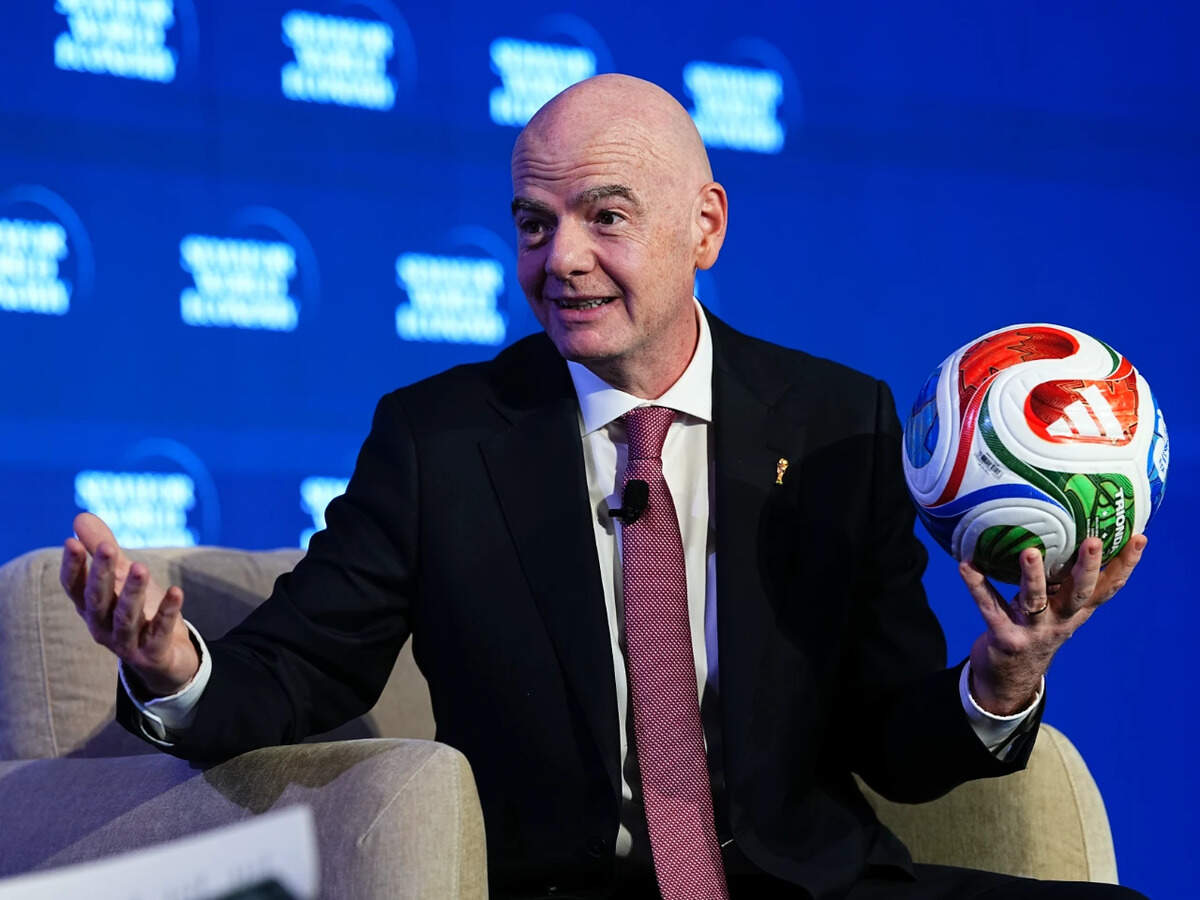
FIFA President Gianni Infantino has been at the forefront of the organisation’s aggressive commercial expansion, driving efforts to maximise revenue from broadcasting, sponsorship, ticketing and other commercial rights.
With more matches, teams, fans and global exposure, the 2026 World Cup is expected to generate unprecedented financial returns for world football’s governing body.
North America appeared to provide an ideal testing ground for the expanded 48-team format, but the tournament’s organisation was not without controversy.
FIFA faced criticism over ticket prices, which ranged from $60 to more than $10,000, while the median ticket price exceeded $900, according to TicketData.
Infantino’s expansion strategy is likely to win support from many of FIFA’s member associations, which benefit from funding provided by the organisation.
As a non-profit body, FIFA redistributes part of its revenues to support football development and infrastructure across its 211 member associations, creating a cycle in which the growth of the game also strengthens the organisation’s global reach.
Under its “FIFA Forward 4.0” programme, FIFA plans to invest $2.7bn in football development across its member associations between 2027 and 2030.