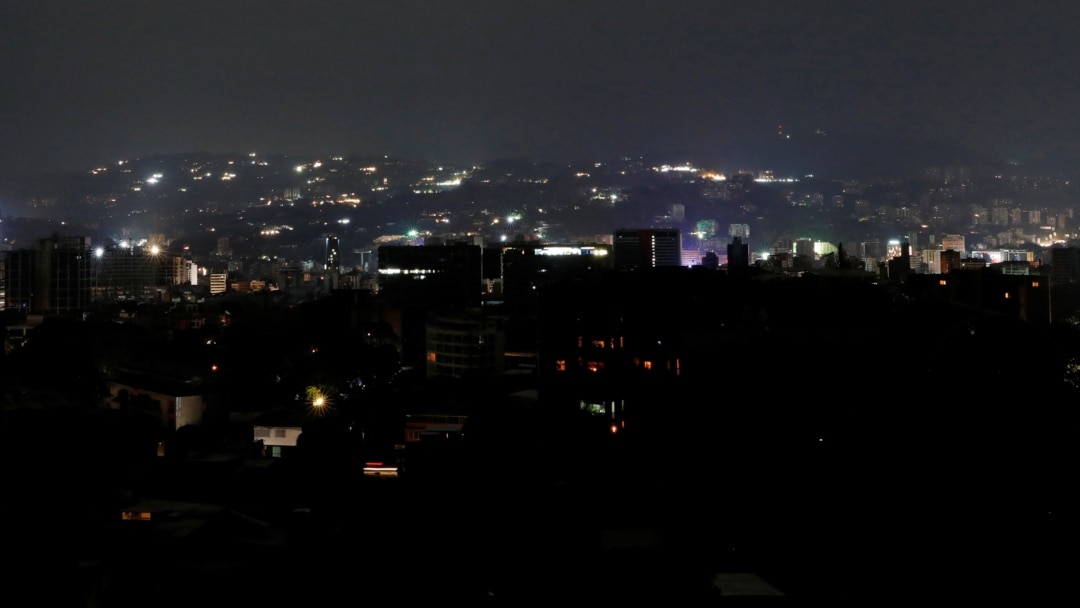

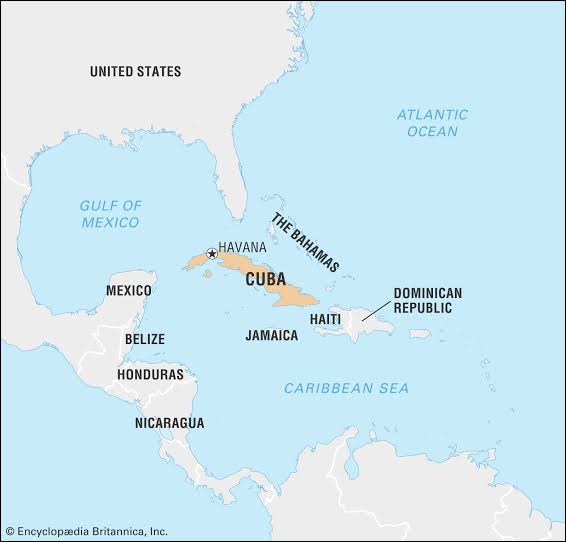
Cuba was hit by a nationwide power outage on Monday after the country’s national electricity grid collapsed, adding to an energy crisis that has intensified in recent months amid restrictions on fuel supplies.
The country’s Energy Ministry confirmed that the national grid suffered a total failure, while the grid operator said investigations were underway to determine the cause of the collapse.
Energy Minister Vicente de la O Levy said efforts to restore electricity had begun, noting that emergency “microsystems” had already been activated to provide power to critical services.
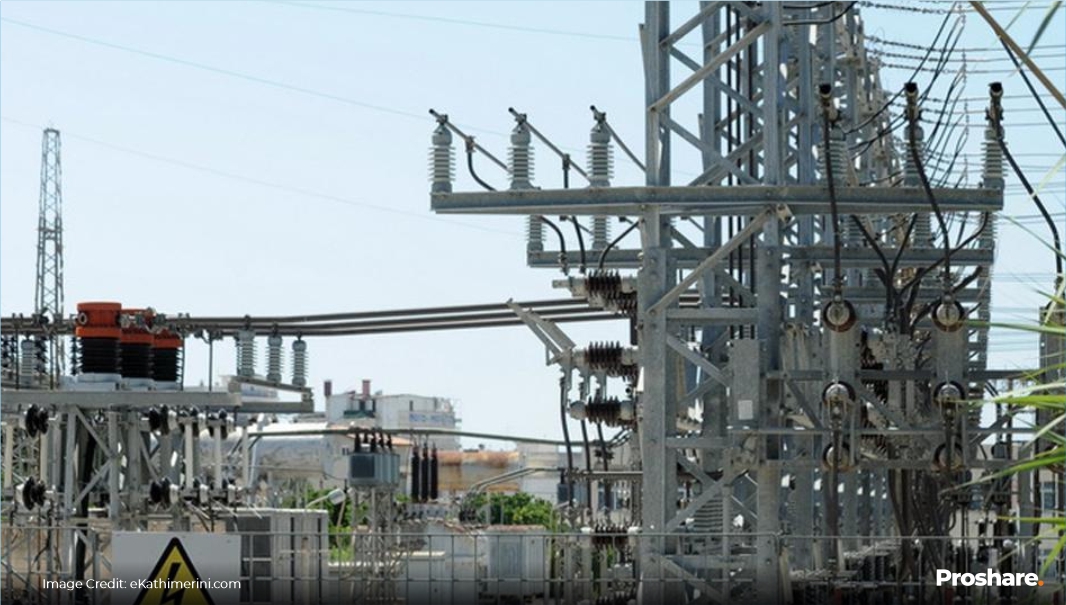
The Caribbean nation has endured several nationwide blackouts in recent years as its aging electricity infrastructure continues to struggle with rising demand.
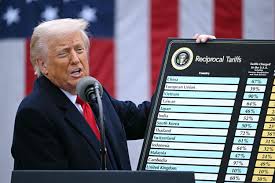
The situation has worsened this year after the United States pressured Cuba’s major fuel suppliers to halt oil shipments to the island.
In March alone, Cuba experienced at least two nationwide blackouts within one week.
Reacting to the latest outage, President Miguel Díaz-Canel blamed the United States for obstructing fuel imports, writing on X that Washington was attempting to trigger “a social explosion through asphyxiation.”
The prolonged electricity shortages have disrupted essential sectors, including healthcare, education, transportation and access to medicine.
Additional US sanctions have also deepened Cuba’s economic difficulties and contributed to a decline in tourist arrivals.
Washington maintains that its economic measures are intended to push the Cuban government toward opening its tightly controlled political system and encouraging greater foreign investment.
In June, Cuba’s National Assembly passed a broad package of economic reforms designed to liberalise parts of the economy.
However, the country’s foreign trade minister told CNN that the reforms were not introduced because of external pressure.
Responding to the measures, a spokesperson for the US State Department described them as “modest, long overdue and ultimately superficial smoke signals” from the Cuban government.
Despite ongoing tensions, officials from both countries have held several meetings in recent weeks.
In May, CIA Director John Ratcliffe met with Cuba’s intelligence chiefs in Havana, while the commander of the US Southern Command also held talks with senior Cuban military officials near Naval Station Guantanamo Bay.
The United States has repeatedly alleged that Cuba hosts Russian and Chinese intelligence listening posts, claims Havana has consistently rejected.
Speaking to CNN about the country’s worsening humanitarian situation, Cuba’s Minister of Foreign Trade and Investment, Oscar Pérez-Oliva Fraga, accused Washington of imposing collective punishment, saying: “What is happening today against our people is a genocide.”