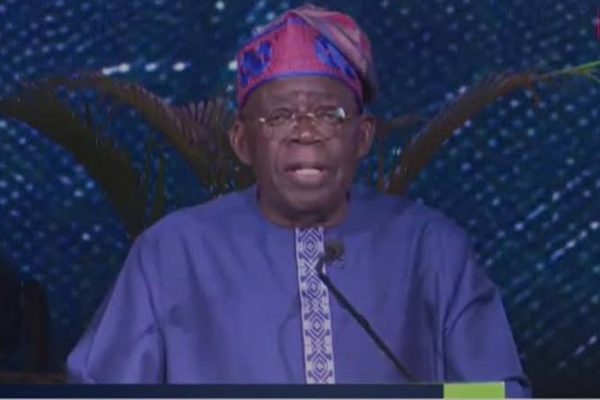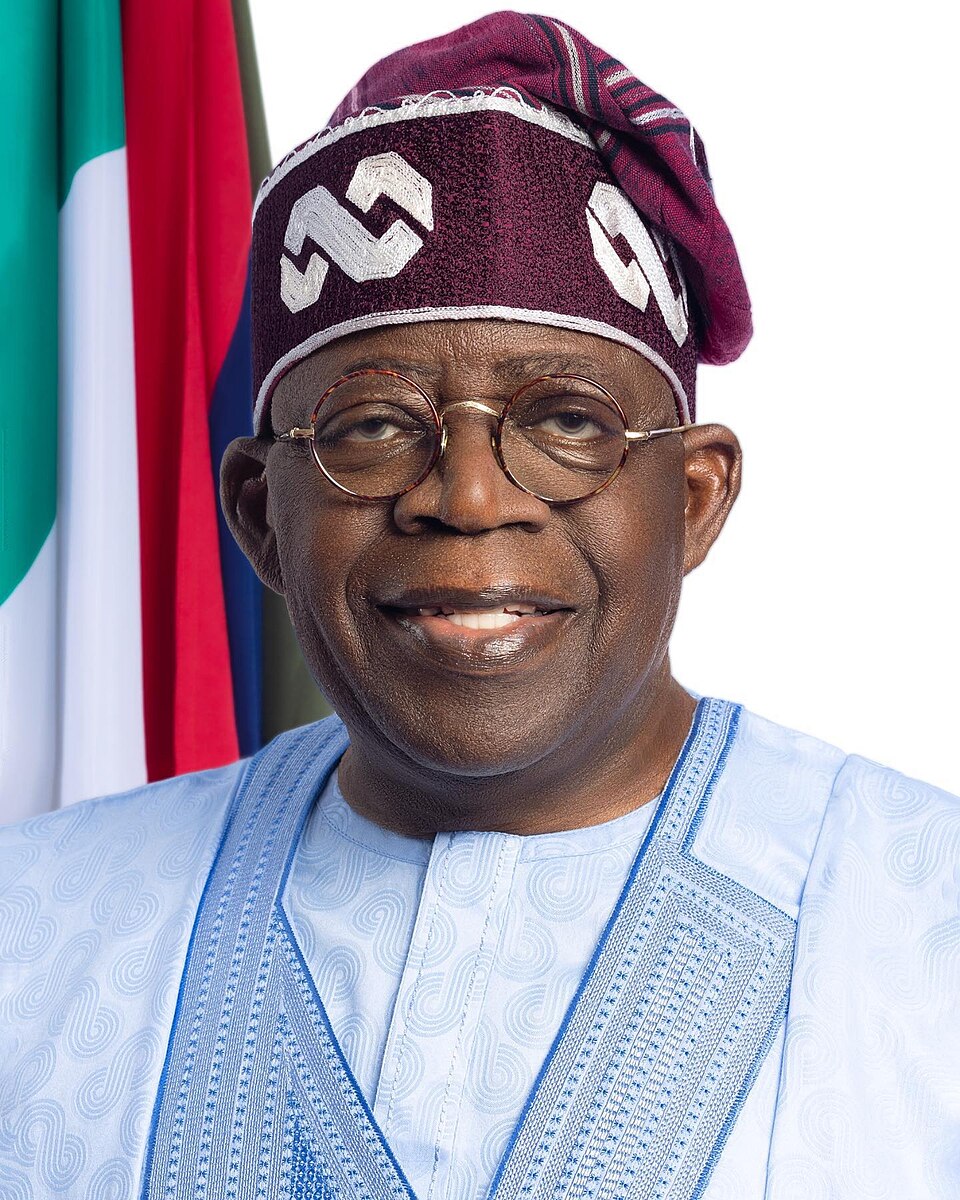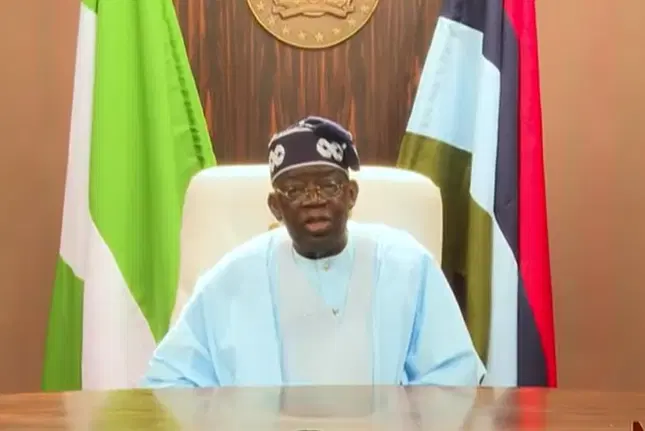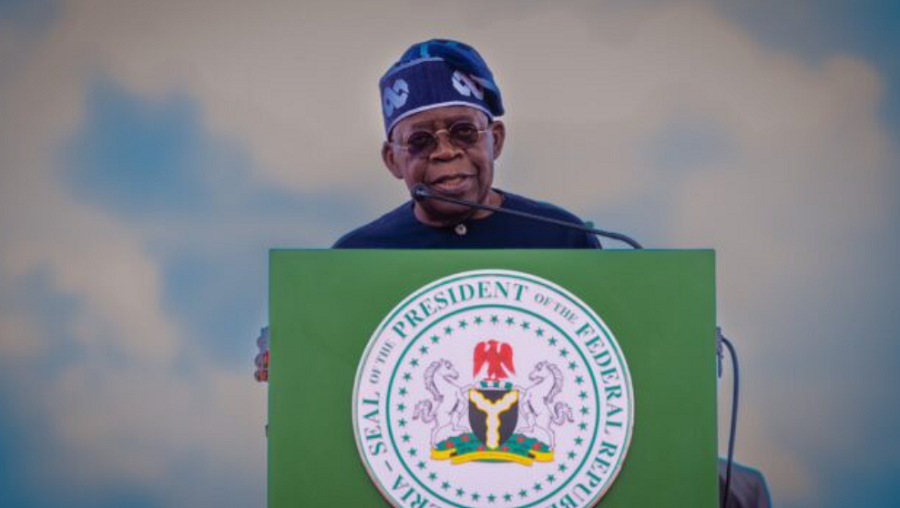

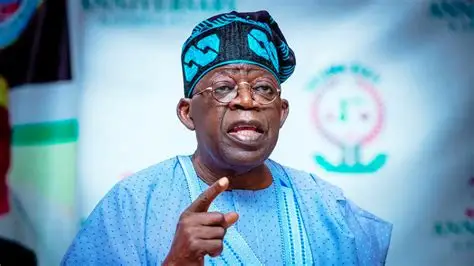
President Bola Ahmed Tinubu has called on member states of the Economic Community of West African States to transform the region from a consumer market into a production-driven economic bloc capable of supporting industrialisation, trade, and sustainable growth.
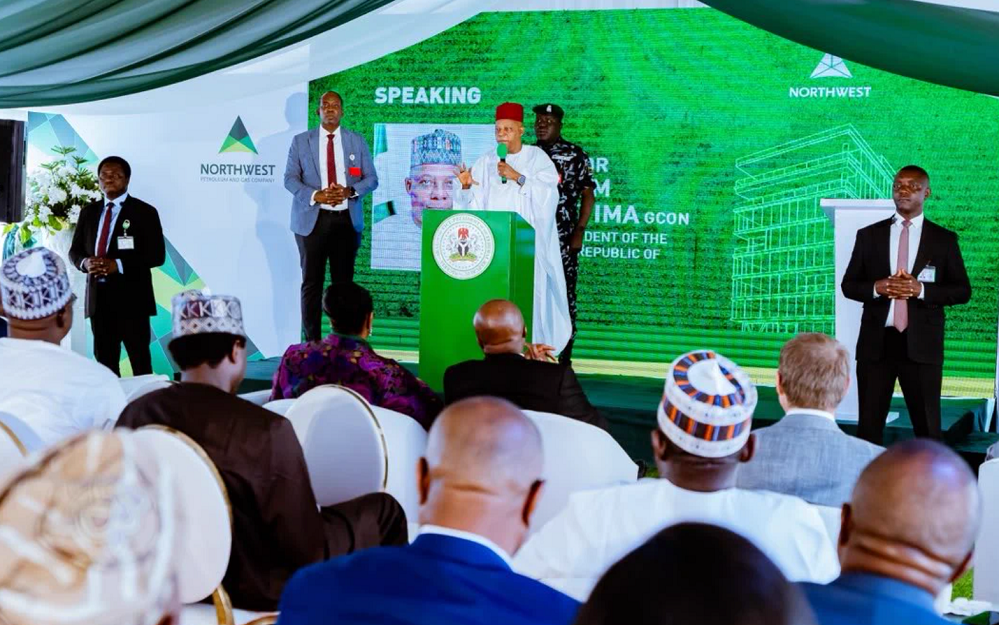
Nairametrics reported that the President made the call on Thursday during the inauguration of the new ECOWAS headquarters in Abuja, describing the facility as a symbol of the region’s resilience, renewal, and commitment to shared prosperity.
Tinubu, who was represented by Vice President Kashim Shettima, said the next phase of regional integration must be anchored on practical economic transformation rather than rhetoric.
According to the President, West Africa can no longer depend largely on imported goods if it hopes to achieve meaningful economic independence and prosperity.
“The hour has come to transform our regional market into a regional production base. Our integration must increasingly be driven by what we produce rather than by what we consume, for a community that consumes what it does not make will forever live at the mercy of the goodwill of others,” he said.
Tinubu stressed that deeper industrialisation, stronger regional value chains, increased intra-regional trade, innovation, manufacturing, and investment must become central pillars of the ECOWAS growth strategy.
He described the newly inaugurated headquarters as the “Eye of Africa” and a reflection of the bloc’s determination to preserve the vision that inspired its establishment more than 50 years ago.
“Today marks not only the inauguration of an impressive landmark, but the renewal of a covenant—our covenant with the ideals of regional integration, solidarity, and shared prosperity,” he added.
The President noted that while ECOWAS has recorded significant achievements in peacebuilding, democratic governance, economic cooperation, and the free movement of people, goods, and services, the region continues to face major challenges.
He identified terrorism, violent extremism, food insecurity, climate change, economic vulnerability, public health threats, and youth unemployment as pressing issues requiring collective action.
Tinubu also addressed the withdrawal of Burkina Faso, Mali and Niger from ECOWAS, saying recent developments have demonstrated that regional integration can no longer be viewed solely through an economic lens.
“Regional integration can no longer be an economic imperative alone. It has become a comprehensive framework for our collective security, our political stability, our sustainable development and the welfare of our peoples,” he said.
The President added that the bloc should keep its doors open to countries that have chosen to leave, while continuing to pursue dialogue, solidarity, and regional cooperation.
Speaking at the event, Julius Maada Bio, Chairman of the ECOWAS Authority of Heads of State and Government, said the new headquarters provides an opportunity for member states to renew their commitment to the more than 450 million people of West Africa.
He praised Nigeria’s support for the regional bloc and described the country as “a great anchor” of ECOWAS.
Bio also commended the Government of China for donating the headquarters building.
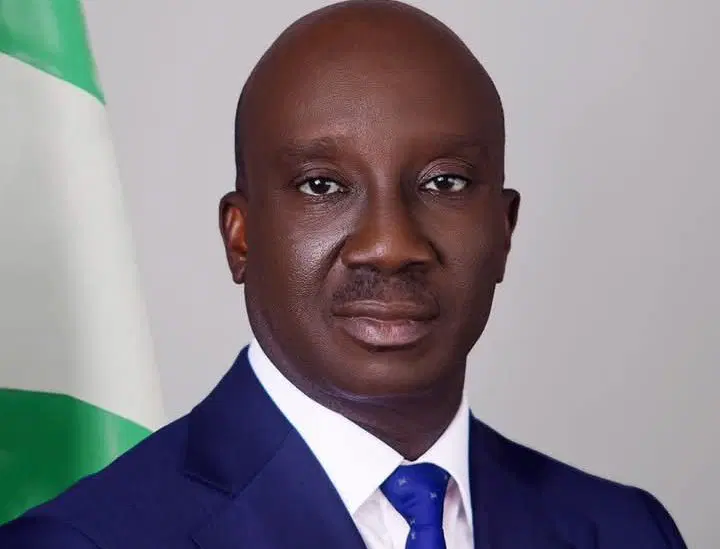
Similarly, Omar Touray expressed appreciation to China for its support, describing the facility as a symbol of regional partnership and a platform for enhancing coordination across the bloc.
According to Touray, China has remained a strategic partner to ECOWAS through its support in areas including technology adoption, security cooperation, and institutional development.
The call for deeper regional integration comes as ECOWAS intensifies preparations for the launch of the long-awaited Eco regional currency in 2027.
Earlier this year, central bank governors from 12 West African countries met in Monrovia, Liberia, to advance policy and institutional frameworks required for the rollout of the single currency project.
The first phase of implementation is expected to involve Nigeria, Ghana, Liberia, Sierra Leone, Guinea and The Gambia, subject to the achievement of agreed macroeconomic and governance requirements.