


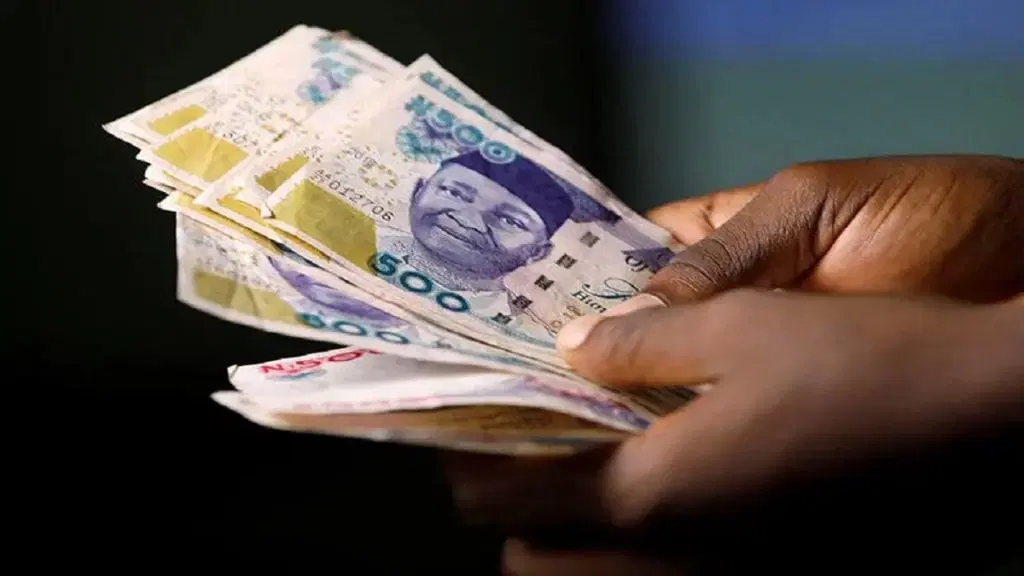


The House of Representatives Public Accounts Committee has recovered N521.77 million in unremitted Value Added Tax from the Central Bank of Nigeria, in what lawmakers described as a major milestone in an ongoing probe into revenue leakages associated with government collections processed through the Remita platform.
The recovered funds relate to VAT deductions on fees generated from Remita transactions between November 2018 and April 2024 that were not remitted to the Federal Government as required.
The recovery followed an extensive investigation initiated by the House of Representatives amid concerns over alleged revenue losses, violations of established financial regulations, and non-compliance with service-level agreements governing the collection and remittance of government revenues.
The probe was launched following a House resolution adopting a motion titled, “Investigation of Revenue Leakages Through Remita Platform and Non-Compliance Substantively with Standard Operating Procedure and Other Allied Service Level Agreement.”
The resolution empowered the Public Accounts Committee to scrutinise transactions processed through the Remita payment platform as part of efforts to uncover revenue leakages and ensure compliance with established financial procedures and service agreements.
Since the commencement of the probe, the committee, chaired by Bamidele Salam, has reviewed records of remittances, deductions and collections involving major government agencies and service providers to verify that all revenues due to the Federation Account were fully accounted for.
The committee’s findings revealed that the CBN failed to remit VAT accruing from fees earned on Remita transactions. As a result, lawmakers directed the apex bank to settle the outstanding liability by paying the amount into the Federal Government Treasury.
The committee later received confirmation from the CBA that it had complied with the directive. According to a statement issued on Sunday by the committee’s media unit, Salam said the apex bank formally notified the committee that the outstanding amount had been remitted into the Federal Government’s treasury.
“In a letter dated May 7, 2026, the Central Bank informed the committee that it had remitted the outstanding VAT liability and provided documentary evidence showing that the sum of ₦521,765,134.17 had been paid into government coffers,” the letter read in part.
Salam described the recovery as a testament to the National Assembly’s commitment to effective oversight and the protection of public funds.
“The recovery demonstrates the effectiveness of legislative oversight in safeguarding public resources and ensuring accountability in the management of government revenue,” the Accord Party lawmaker said.
He reaffirmed the committee’s determination to recover all funds owed to the Federal Government, stating that the investigation would continue until every identified liability had been fully accounted for and remitted.
“We remain committed to recovering all funds due to the Federal Government and plugging avenues of revenue leakage across public institutions,” he stated.
In addition to the VAT recovery, the committee revealed that several other outstanding financial liabilities involving the Central Bank of Nigeria are still being examined.
The Public Accounts Committee stated that one of the disputed items relates to unrefunded charges amounting to ₦954.3 million, with accumulated interest of ₦2.33 billion. This brings the total claim under that category to ₦3.28 billion, covering transactions carried out between March and October 2015.
Overall, the liabilities being examined and pursued by the committee are estimated to exceed ₦33 billion.
The Remita platform remains a key component of Nigeria’s public finance framework, serving as a major gateway for government revenue collection and Treasury Single Account operations.
However, it has periodically come under scrutiny over issues relating to deductions, commissions, remittances, and compliance with contractual and service-level agreements among institutions handling public funds.


