

The United States government is moving to place stricter conditions on financial assistance to Nigeria with the House Committee on Appropriations recommending a 50 per cent cut in aid and developmental assistance to the Federal Government over escalating insecurity and religious violence across the country.
If passed into law, the National Security, Department of State, and Related Programs Appropriations Bill, 2027, would see Nigeria lose access to billions of dollars already earmarked by Washington for aid and development programmes for Fiscal Years 2027 through 2028.
The bill, which made appropriations for national security, the Department of State, and related programmes for the fiscal year ending September 30, 2027, ties future disbursements to the Nigerian government on measurable security benchmarks.
Under country notification requirements, the legislation mandated that none of the funds appropriated under titles III through VI may be obligated for Nigeria except through the regular notification procedures of the Committees on Appropriations.
The legislation aligned with what the Committee described as President Donald Trump’s vision to refocus and realign foreign policy to make America safer, stronger, and more prosperous, while ensuring funds are spent consistent with relevant executive orders.
It prohibits funds for the Pandemic and Arms Trade Treaties and prioritises religious freedom programmes abroad and protections for faith-based organisations delivering foreign aid.
According to the bill, it “holds foreign governments and bad actors accountable for persecuting people of faith, including by restricting assistance to Nigeria until measurable actions are taken to protect Christian communities suffering from religious violence.”
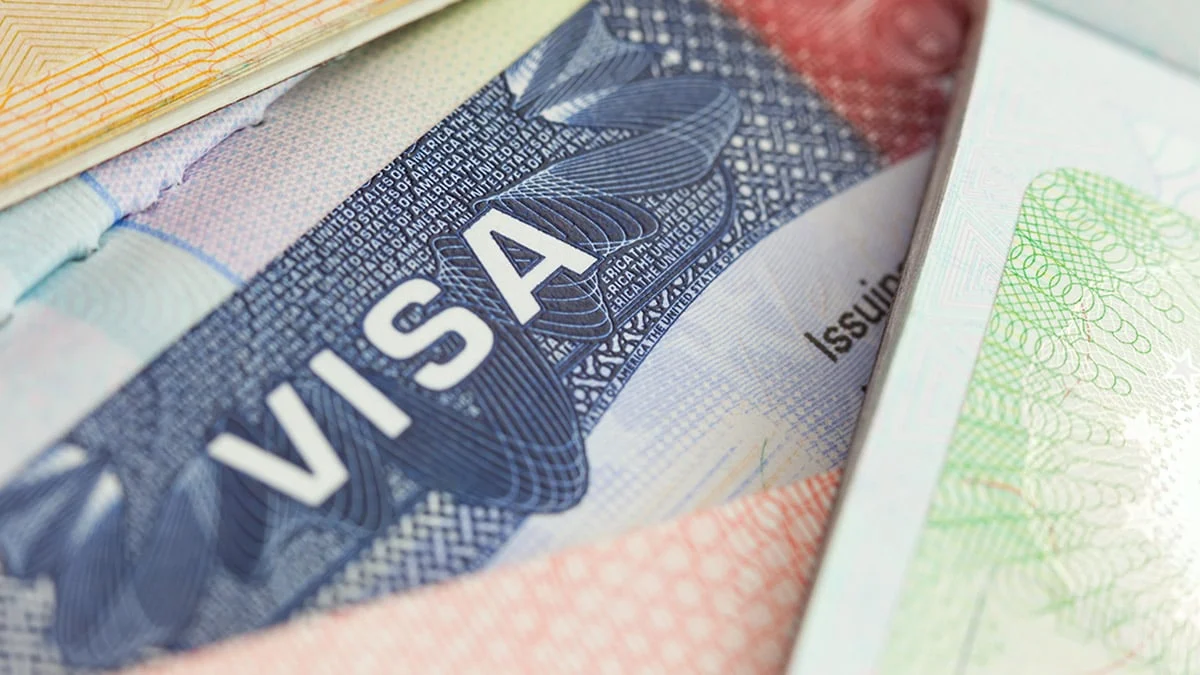
It stated that officials of Countries of Particular Concern–designated nations, and their immediate family members, may face visa restrictions if the Secretary has credible information they were involved in or tolerated severe violations of religious freedom.
The Committee recommended that 50 percent of funds appropriated under titles III and IV for assistance to the federal government would be withheld until the Secretary of State certifies that Nigeria is taking effective steps to prevent and respond to violence, hold perpetrators accountable, prioritize resources to support victims including internally displaced persons, actively facilitate the safe return, resettlement and reconstruction of impacted communities, and allocate sufficient resources to meet these conditions.
The report further recommended that the Nigerian government must provide a matching amount from its own budget for every dollar the US spends on programmes in the country, ensuring shared responsibility for protecting vulnerable populations.
However, while moving to restrict general aid, the Committee directed that funds should be made available from the $235 million security sector programmes pool — previously peacekeeping operations — to address violence perpetrated by Fulani ethnic militia and other instability in the Middle Belt region of Nigeria.
It mandated the Secretary of State to consult with the Committees on Appropriations on the amount and use of funds for such purposes not later than 45 days after the date of enactment of the Act.
The Committee said it remained gravely concerned by the ongoing violence in Nigeria and described the continued persecution and slaughter, like the Palm Sunday massacre, of Christians as horrifying, and called on the Government of Nigeria to protect the citizens and hold perpetrators of violence to account.
“The Committee remains gravely concerned by the ongoing violence in Nigeria and notes that the continued persecution and slaughter, like the Palm Sunday massacre, of Christians is horrifying. The Committee calls upon the Government of Nigeria to protect their citizens and hold perpetrators of violence to account,” the Committee said.
The Committee expressed support for the recommendations in the joint report to the President on persecution of Christians in Nigeria, jointly produced with the House Committee on Foreign Affairs and encouraged the Secretary of State to review the recommendations and provide Congress with information on additional funding and authorities necessary to end the violence targeted at Christians in Nigeria.
It directed that funds continue to be made available to support religious freedom and atrocity response projects, including through faith-based organisations, and Faith-based organizations (FBOs) from affected communities.
The projects, according to the Committee, would improve local communication, documentation, and distribution of humanitarian assistance for communities impacted by violence in the Middle Belt, Benue State, and other states affected by violent jihadist extremism.
The bill also prioritised partnerships with Nigeria under International Narcotics Control and Law Enforcement to support the professionalisation, capacity, and accountability of Nigerian law enforcement institutions, including state-level law enforcement.
It recommended provision for an additional $2 million under the account for atrocity prevention, with a portion directed to address violence perpetrated by Fulani ethnic militias and other instability in the Middle Belt region.