

Europe is urgently seeking alternative sources of jet fuel as imports from the Middle East remain disrupted, forcing the continent to “fight for every cargo” in what analysts describe as a “global stress test” for the aviation sector.
According to Société Générale analysts, the loss of Middle Eastern supplies following the Iran conflict is rapidly creating a severe logistics challenge for Europe.
The region typically consumes about 1.6 million barrels of jet fuel per day, with domestic refineries supplying roughly 1.1 million barrels, leaving a significant gap that is now harder to fill amid global supply pressures.
The remaining 500,000 barrels are typically supplied through imports, with around three-quarters of that volume historically coming from the Middle East, according to Société Générale analysts in a Monday note.
However, that supply has been largely cut off since shipping through the Strait of Hormuz effectively came to a halt after the U.S.–Iran conflict began on February 28, disrupting key global fuel routes.
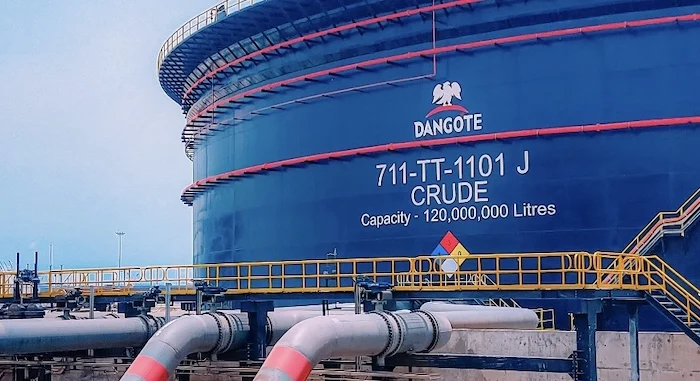
“While we can import more, and we are, from the U.S. and Nigeria, we have to fight for every cargo that’s going to come,” George told CNBC’s on Monday.
“We have to fight against Singapore, against Australia — and the price…just goes higher and higher.”
Before the conflict began, roughly 360,000 barrels of jet fuel were transported daily through the Strait of Hormuz, accounting for around 20 per cent of global seaborne flows.
Meanwhile, the United States is increasingly filling the gap for Europe, with exports of jet fuel surging to record levels.
Societe Generale data shows shipments climbed to about 442,000 barrels per day in early April, or roughly 372,000 barrels on a four-week average.
That is roughly 200,000 barrels per day above the five-year average of 172,000 barrels per day.
Traditionally, about half of U.S. jet fuel exports have gone to nearby markets such as Mexico, Canada, and Panama, but Europe is now also competing for these supplies.
Before the war, Europe typically imported around 30,000 to 60,000 barrels per day from the U.S.
That figure has now surged to about 200,000 barrels per day. However, a significant shortfall remains, with Middle Eastern disruptions leaving a deficit of roughly 53 per cent of normal flows, or about 175,000 barrels per day.