
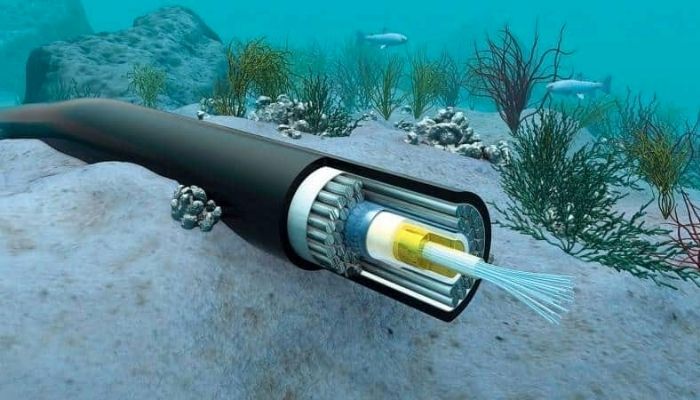
The West African Telecommunications Regulators Assembly has raised concerns that recurring submarine cable disruptions are exposing significant vulnerabilities in a regional digital economy valued at up to $150 billion.
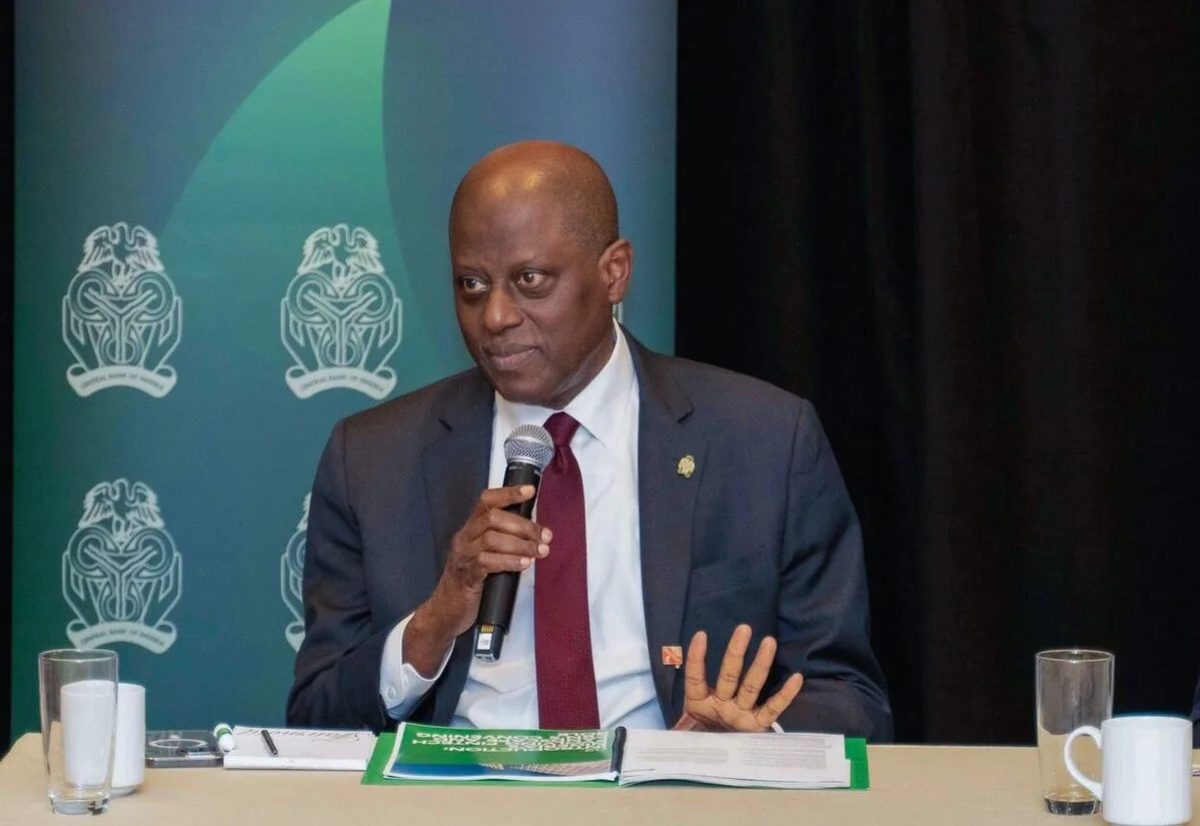
Speaking at the International Submarine Cable Resilience Summit in Porto, Portugal, WATRA Executive Secretary Aliyu Aboki said the region’s current network infrastructure lacks sufficient resilience to withstand such shocks.
He pointed to the cable cuts recorded off the West African coast in March 2024, which disrupted digital services and economic activities across several countries in the sub-region.
He explained that even though West Africa is served by several international submarine cable networks — including West Africa Cable System, Africa Coast to Europe, and MainOne — the March disruption still severely impacted regional connectivity.
The outage, he said, persisted for days, slowing banking services and interrupting operations for cloud-based businesses across multiple countries.
Aboki further revealed that internet traffic in affected nations fell by over 50 percent immediately after the incident, with service restoration taking several days in some locations, underscoring both repair constraints and administrative hurdles.
“The lesson was immediate,” Aboki said.
“Submarine cables are not simply telecommunications infrastructure. They are foundational to economic activity.
He noted that although submarine cable faults worldwide are commonly linked to fishing activities, ship anchoring, or seabed movements, the March 2024 incident was unusual because multiple cables serving the region were damaged simultaneously, overwhelming available backup capacity.
Aboki further pointed to what he described as a structural imbalance within the region’s network architecture, which amplified the overall impact of the disruption.
He said that although submarine cable networks function on a regional scale, regulatory and governance frameworks remain largely national.
As a result, variations in permitting procedures, emergency response mechanisms, and cable protection regulations across countries often cause delays in customs clearance, port access, and cross-border coordination during disruptions.
“For investors, these uncertainties translate directly into a higher cost of capital,” he said.
He noted that repair operations in the region are already costly, with a single submarine cable repair estimated at between $1.5 million and $2 million.
He attributed the high expense largely to the need to deploy specialised repair vessels from distant locations, including as far as Cape Town.