




The Nigeria Customs Service on Monday unveiled plans to deploy artificial intelligence to boost revenue generation, enhance remittances, and curb audit queries.
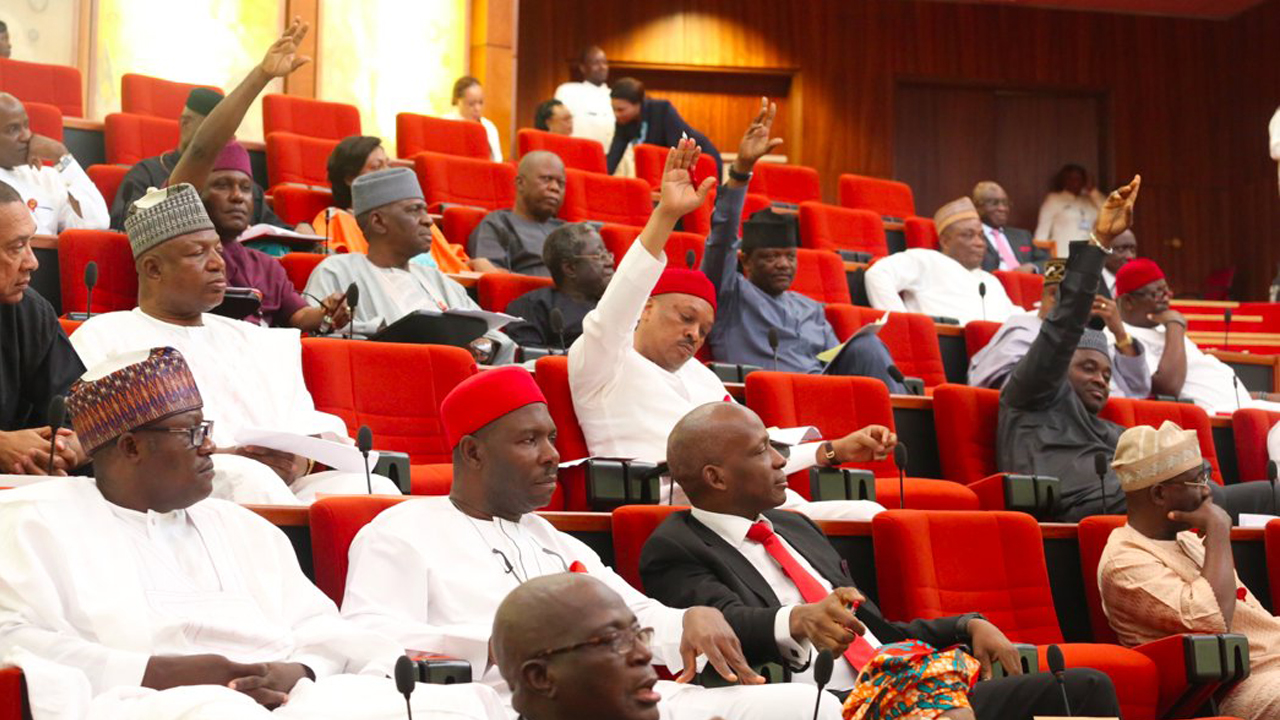
The move comes as the agency intensifies engagement with lawmakers and fiscal authorities, redefining its long-standing oversight relationship with the National Assembly.
Speaking at the opening of a three-day training on AI-driven revenue generation, remittance, and reconciliation in Abuja, Comptroller-General of Customs, Adewale Adeniyi, said the Service is shifting from a reactive posture of responding to legislative summons to a proactive partnership with oversight institutions.
Adeniyi said that while legislative summons had traditionally shaped interactions between the Service and lawmakers, the new approach is anchored on partnership and shared responsibility.
“We all know that in a presidential system of government, the power to oversee the executive lies squarely with the parliament, and this is exercised through committees such as the Public Accounts Committee in both chambers.
” What we have been used to over the years are summons asking us to explain our revenue, our processes, and our operations,” he stated.
He noted that the core objective of the summons remains consistent: ensuring transparency in public accounts and upholding fiscal discipline.
” These summons are binding under the Constitution, and we have no option but to comply. Sometimes, if you are invited for a particular time and you arrive late, you may even be threatened with enforcement. But today, we are deliberately flipping that narrative.
“It is now the Customs that has invited the distinguished committees to engage with us, and we are glad that they responded enthusiastically. Whether it is by summons or by invitation, the objective remains the same: we are united in ensuring transparency in public accounts, achieving fiscal discipline, and bringing inefficiencies in revenue generation to account,” he said.
Adeniyi stressed that the adoption of artificial intelligence would greatly enhance Customs operations, streamline complex trade systems, and help detect anomalies, especially in trade volumes and revenue leakages.
The Customs boss explained that technology has already transformed several areas of the Service’s operations, but said AI would further elevate efficiency to a new level.
“Over the last 20 years, technology has evolved and has played a very critical role in our operations. Today, we have risk management systems that help us manage the huge volume of trade that we handle, and through these systems, we are able to analyse patterns and trends in international trade.
” The World Customs Organisation has also introduced artificial intelligence into the harmonised system, enabling better classification of goods through machine learning. We have also deployed AI in our scanning systems, where AI-enabled scanners can guide image analysts to predict the nature of items being imported, ” he added.
Adeniyi stressed that revenue generation and remittance involve multiple stakeholders beyond the Service, including commercial banks, auditors, and other government agencies.


