







The strike declared by the Nigerian Association of Resident Doctors, scheduled to begin today, April 7, 2026, is already threatening to disrupt services across federal and state-owned hospitals nationwide.
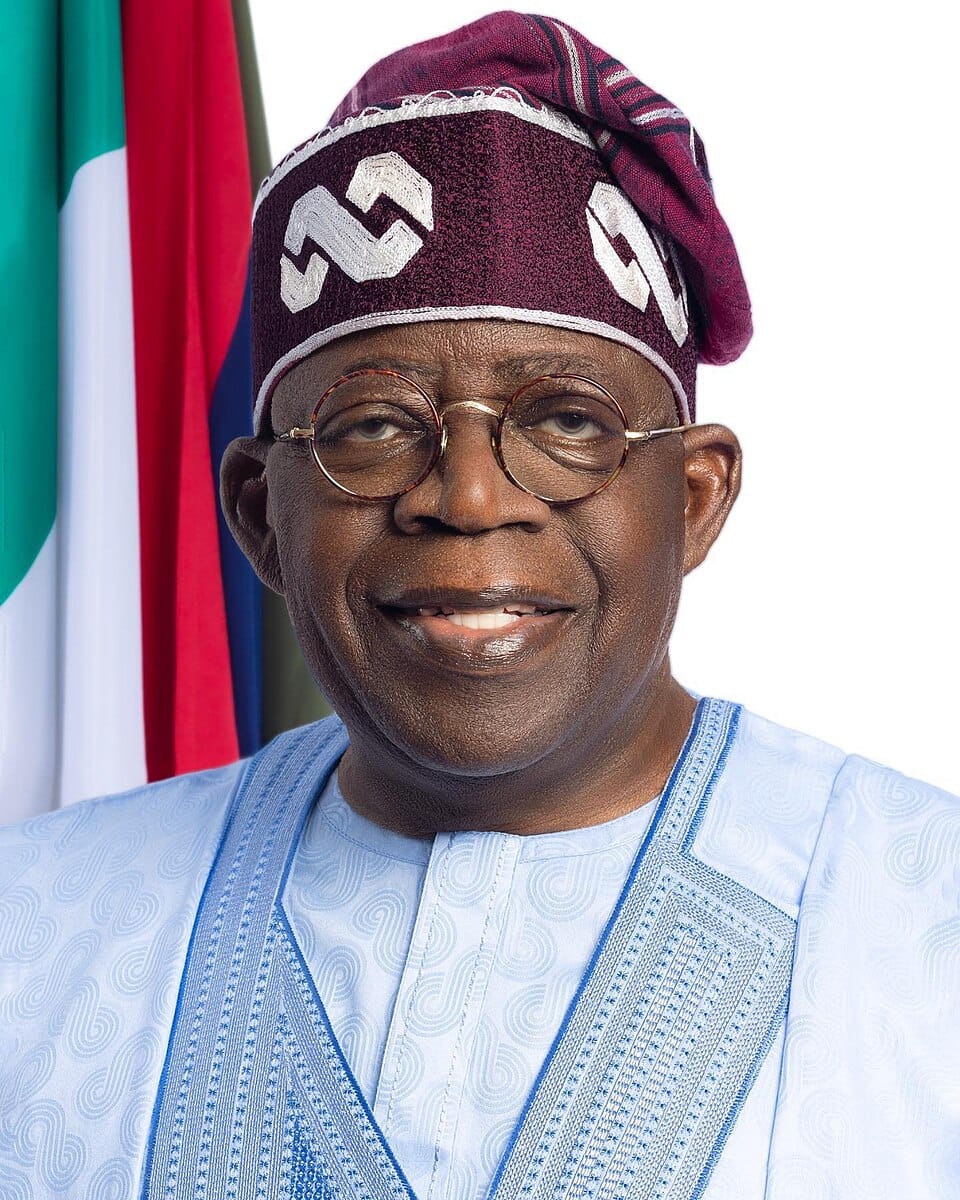
Resident doctors in Nigeria have spent a cumulative 51 days on strike since the administration of President Bola Tinubu began, a development that raises fresh concerns over the government’s ability to sustain agreements with health workers.
The figure, which includes two major strikes and a warning action between 2023 and 2025, comes as doctors once again announced plans to down tools starting from today over unpaid allowances and policy reversals. The PUNCH reported that the immediate trigger for the new strike is the Federal Government’s reported decision to halt the implementation of the revised Professional Allowance Table, a key component of an agreement reached after the 2025 strike.
In its latest statement, NARD described the move as “unfortunate” and accused the government of pushing doctors into another avoidable industrial action. The association said its National Executive Council resolved to embark on a “total and comprehensive strike” following deliberations over the policy shift. NARD is demanding an immediate reversal of the decision to stop the allowance table; payment of promotion and salary arrears; settlement of 19 months’ outstanding allowance arrears, and release of the 2026 Medical Residency Training Fund.
At the centre of the dispute is the Professional Allowance Table, which standardises payments such as call duty, shift allowances, and other work-related incentives. An analysis of strikes by resident doctors since May 2023 shows a pattern of recurring disputes. In August 2023, the association embarked on a strike totalling 17 days. The 2023 strike was primarily driven by welfare concerns and the worsening economic conditions facing doctors in Nigeria.
Following the removal of fuel subsidy on May 29, 2023, by the President, the cost of living rose sharply across the country. However, resident doctors said their salaries were not reviewed to reflect the new reality, making it increasingly difficult for them to meet basic needs. In addition to salary concerns, the doctors complained about poor welfare, including inadequate and sometimes delayed allowances. They also raised issues around insufficient funding for training and other professional needs, which they said affected both their performance and career progression.
Another major factor was the growing shortage of medical personnel due to the mass migration of Nigerian doctors abroad in search of better opportunities. This trend significantly increased the workload on those who remained in the country, leading to stress, burnout, and declining morale within the health sector. The strike, which began on July 26, 2023, was also linked to broader concerns about poor working conditions, including inadequate hospital infrastructure and the government’s failure to fully implement previous agreements reached with the association.
After about 17 days of industrial action, the strike was suspended on August 12, 2023, following negotiations between NARD and the Federal Government. The doctors embarked on a warning strike, which lasted five days in September 2025. This was followed by a full-blown strike in November 2025. The strike lasted for 29 days.
The roots of the current crisis lie in the 2025 agreement between NARD and the Federal Government, which followed a prolonged strike. That agreement introduced the revised allowance structure aimed at improving doctors’ welfare, including enhanced payments for call duty, shifts, and rural postings. Implementation was initially scheduled for January 2026 and later shifted to February. However, doctors said the process had been inconsistent and was discontinued.
As of the time of filing this report, the Ministry of Health and Social Welfare has not made an official statement concerning the planned strike by NARD. Speaking with our correspondent on Monday, the Secretary General of NARD, Dr Shuaibu Ibrahim, noted that the association would consider the suspension of the strike should the government announce a decision to reverse its decision.
“When many people say we should start the strike immediately, we said no, this is a public holiday, let us give time for them to reverse the instruction, and once they give that reverse instruction, whether they communicate to us or they do not communicate to us, we will know.”
Ibrahim also noted that the situation was not only particular to resident doctors alone, but also to other categories of healthcare workers in the sector. The Senior Special Adviser to the Minister of Health, Chinedu Moghalu, did not respond to inquiries sent to him as of the time of filing this report.
Meanwhile, the Abia State chapter of NARD has said it will align itself with the decision of its national directive to embark on strike from Tuesday. According to the state president, Dr Godwin Alaede, after its congress in Umuahia on Monday, the branch said, “We are 100 per cent prepared to embark on the indefinite strike by midnight.”
Dr Alaede said when doctors are well remunerated, they will work well. He said the doctors were sensitive to the plight of patients, adding, “We regret any inconveniences it (the strike) will cause to anyone who may be affected.” He, however, assured that medical consultants and the nurses would fill the gap. He noted that NARD in the state would hold another congress on Tuesday to review any agreement that may come out of the national level meeting with the Federal Government on Monday.


