

BudgIT Foundation, a civic and fiscal policy advocacy group, has emphasised that transparent budgeting processes and strong climate finance reporting are vital for the nation to mount an effective response, as Nigeria grapples with the escalating effects of climate change and fragile public finance structures,
The organisation highlighted this position at a stakeholder workshop held in Abuja on Wednesday. The event was organised in partnership with the Partnership for Agile Governance and Climate Engagement (PACE). Civil society organisations attended to discuss strategies for addressing funding shortfalls in Nigeria’s climate financing efforts.
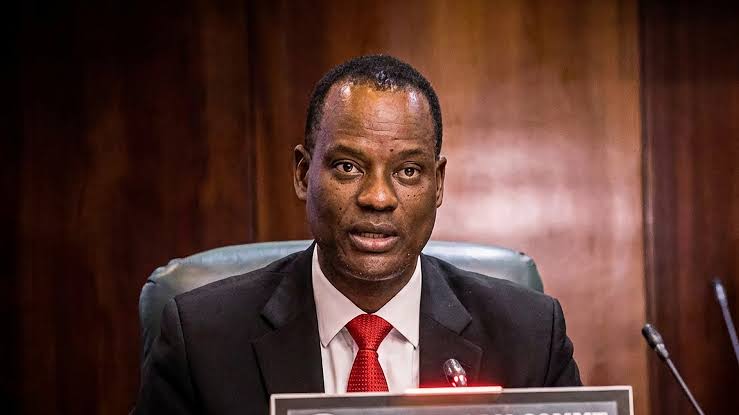
Deputy Country Director of BudgIT Nigeria, Vahyala Kwaga, addressed the gathering. He explained that the initiative arose from the uneven burden of global industrialisation, which heavily impacts developing nations like Nigeria. These countries endure serious climate threats despite minimal contributions to environmental harm.
“Unfortunately, because of the nature of industrialisation and the way development happens, certain countries in previous years may have contributed a lot towards environmental degradation. However, for developing countries like Nigeria that may not be that industrialised, we still have to be conscious and aware of the fact that the impacts of climate change will disproportionately affect us because we do not have the mitigation, adaptation and resilience measures in place,” he said.
Kwaga called on the federal government to strengthen its approach to the budget cycle. He stressed that prompt and well-organised procedures are critical for successful climate finance management.
He identified the Budget Call Circular as a vital starting point for climate finance advocacy. This document sets government priorities ahead of budget preparation. Early involvement with the budget office allows civil society organisations to shape how climate change, sustainability, and related expenditures appear across ministries. This approach connects policy goals to tangible budget results.
Kwaga added that the Medium-Term Expenditure Framework (MTEF) must embed climate action into Nigeria’s fiscal strategy. The MTEF offers three-year forecasts that guide yearly budgets. Without explicit priorities for climate adaptation and sustainability in the MTEF, climate-related spending risks staying weak, disjointed, and erratic at federal and state levels.
“The MTEF is meant to influence the appropriation act. So the principles, the projections, the arguments in the MTEF should influence the budgets. If we open the budget, we should see care being made to sustainability measures and green initiatives. So if we don’t see sustainability measures and green initiatives in the budgets, we can tell the federal government, what they said in your the MTEF.”
On Budget Implementation Reports, Kwaga observed that states outperform the federal government in sharing spending details. However, he pointed out that both levels require progress in the speed and thoroughness of reporting.
“At the sub-national level, you know, I have to give commendation to a lot of the state governors in their budget implementation reports. There is disaggregated information. In fact, I would even go out on a limb by saying the reporting in state budget implementation reports is far more comprehensive than federal budget implementation reports, but states can do better,” Kwaga said.