




The Chairman of the Dangote Group,
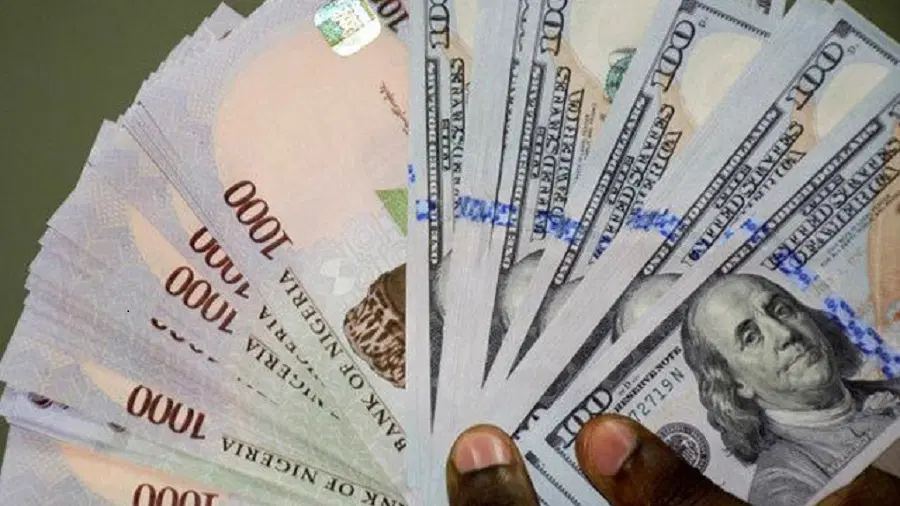
Aliko Dangote, has said that the naira could strengthen to as low as N1,100 per dollar this year, supported by the Federal Government’s industrial and economic reform initiatives.
He added that the only scenario that could prevent this appreciation is if the government intentionally keeps the naira weaker to boost naira-denominated revenue.
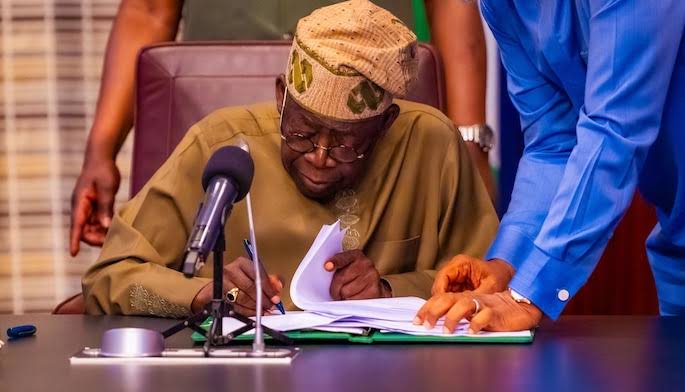
Dangote made the comments on Tuesday, February 17, 2026, during the launch of the Nigeria Industrial Policy in Abuja, an event attended by Vice President Kashim Shettima and other senior government officials.
Dangote said the ongoing reforms are already showing positive results, especially for manufacturers.
“I mean, today, if you look at it, Your Excellency, I believe with the policies that you have implemented in government, people now have started seeing the result, and manufacturers are very, very happy,” he said.
He added that boosting local production and cutting down on imports would reduce pressure on foreign exchange demand, supporting the naira’s appreciation.
“Today, the dollar is N1,340. Mr. Vice-President, I can assure you that, with what I know, by blocking all this importation, the currency this year will be as low as N1,100 if we are lucky. The only thing is for, maybe, the government to stop the naira from getting stronger so that they will keep collecting more naira.
“But it’s a catch-22 situation where, now, if the naira gets stronger, it means that everything will go down. Everything will go down because we are an import-based country, which we shouldn’t be. What we should be doing is manufacturing all the things that we need,” he stated.
Dangote also urged stronger protection for local investors through targeted incentives and improved infrastructure, particularly reliable electricity, which he described as essential for industrial growth.
He emphasized that while the industrial policy is well-designed, its success depends on full support for industrialists to drive job creation and sustainable economic growth.
He noted that if the naira strengthens toward N1,100 per dollar—or even N1,000 per dollar—the potential economic benefits could include:
Reduced cost-push inflation;
Lower prices for imported goods and industrial raw materials
Improved household purchasing power; and
Greater macroeconomic stability
Increased investor confidence.
However, analysts warn that the naira’s performance will depend on multiple factors, including oil prices, foreign capital inflows, monetary policy discipline, and global economic conditions.
They note that sustained appreciation would require a steady forex supply, fiscal discipline, and ongoing structural reforms to boost domestic production and exports.


