






The Chairman of the Nigerian Electricity Regulatory Commission, Dr. Musiliu Oseni, has described the frequent collapse of the national power grid as a national embarrassment.
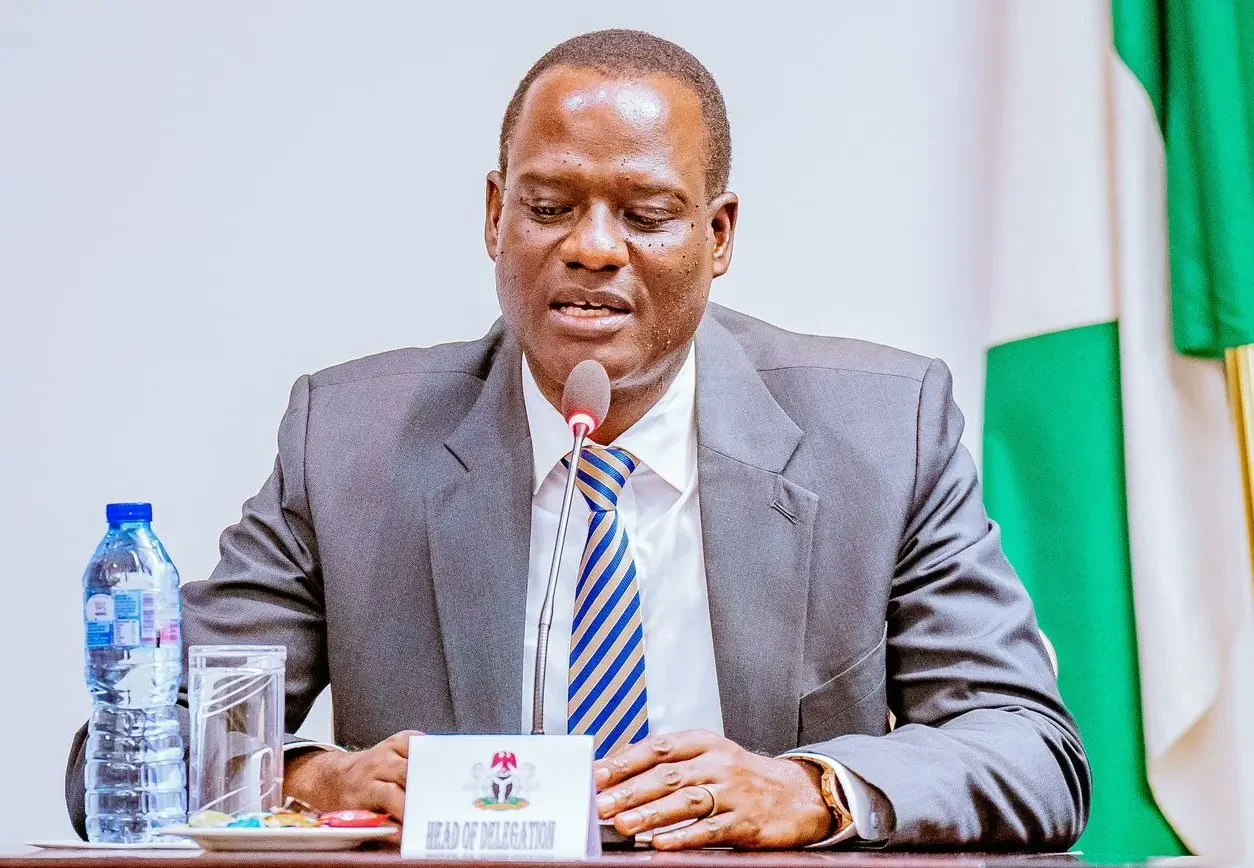
Oseni made this admission in Abuja on Monday during the opening of the 2026 NERC Seminar for Judges.
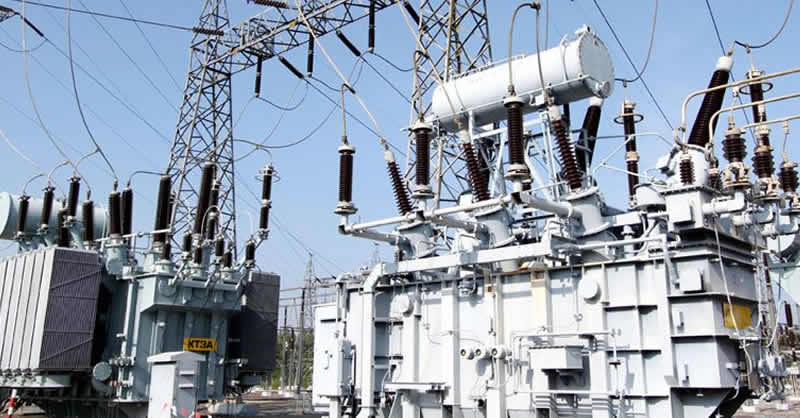
He stated that the Commission has stepped up its monitoring of the Supervisory Control and Data Acquisition (SCADA) project, which is expected to greatly enhance grid stability and reduce system failures.
Oseni explained that the recent creation of the Nigerian Independent System Operator (NISO) made it essential to educate members of the judiciary about the rules and regulations that govern the Nigerian Electricity Supply Industry (NESI).
“The Commission has intensified oversight of the implementation of the Supervisory Control and Data Acquisition (SCADA) project. This is aimed at addressing the recurring incidents of grid collapse, which have become a national embarrassment,” Oseni said.
He further revealed that NERC is pursuing several key initiatives, including the development of a regulatory framework to encourage private investment in transmission infrastructure, measures aimed at powering the real economy, and the establishment of clusters of excellence with reliable electricity supply.
“We have also established customer care clinics across all distribution companies to improve customer service delivery,” he said.
The Chief Justice of Nigeria (CJN), Hon. Justice Kudirat Kekere-Ekun, declared the seminar open.
She said the programme seeks to deepen the judiciary’s understanding of the legal frameworks that regulate electricity, administrative compliance, and dispute resolution mechanisms.
According to her, the seminar arrives at a pivotal moment in the development of Nigeria’s electricity sector, which is experiencing major regulatory reforms, rapid technological advancements, and rising demand for clear and consistent judicial interpretation of electricity laws.
“The Nigerian electricity sector, as we are all aware, is undergoing a profound transformation driven by legislative reforms, policy innovations, increased private sector participation, and the progressive decentralisation of regulatory authority to state-level institutions,” the CJN said.
She pointed out that these changes have substantially increased the complexity of legal matters reaching the courts, making it essential for judges to be well-versed in sector-specific regulations and operational practices.
The Minister of Power, Chief Adebayo Adelabu, who was represented by the Director of Distribution, Mustapha Babaumara, also addressed the gathering.
He observed that Nigeria’s electricity market is passing through a fundamental transition characterised by evolving regulatory structures, greater decentralisation, and an expanding role for sub-national actors.


