





The Federal Government has moved to address Nigeria’s estimated N4 trillion power sector debt as five power generation companies signed settlement agreements under the Presidential Power Sector Debt Reduction Programme following the issuance of a N501 billion bond.
The bond recorded 100 per cent subscription when it was issued in Lagos on Tuesday, drawing participation from pension funds, banks, asset managers, and other institutional investors, indicating renewed confidence in the government’s electricity market reforms and its handling of legacy sector challenges.
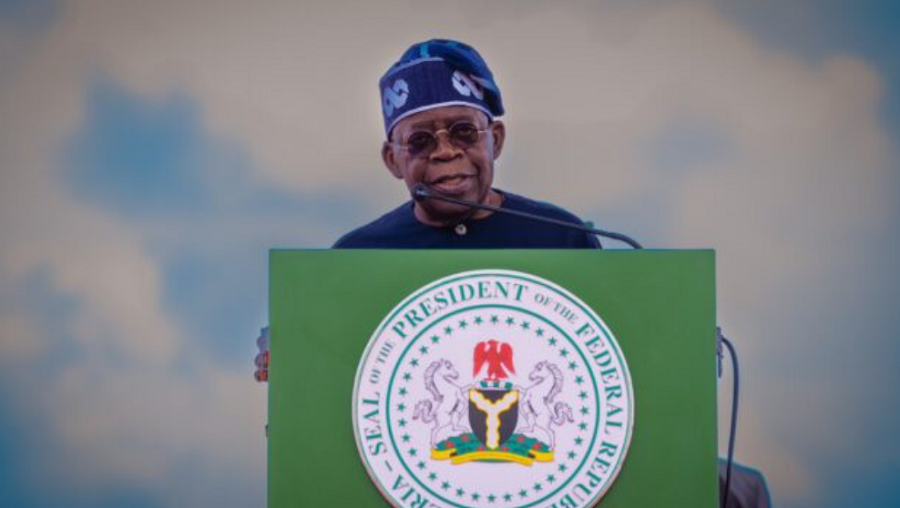
The programme, initiated under President Bola Tinubu, aims to clear payment arrears owed to power generation companies for electricity supplied over the past decade. These legacy debts had restricted liquidity, weakened balance sheets, and deterred investment in the Nigerian Electricity Supply Industry.
At the signing ceremony, the Managing Director of Nigeria Bulk Electricity Trading Plc, Johnson Akinnawo, called the programme a historic and defining moment for Nigeria’s power sector.
“This historic programme received the resolute approval of President Bola Tinubu and the Capital formation can only come when there is confidence, when you can truly see a line of sight in resolving the legacy issues, and I can say that once this process is over, construction will commence immediately on the second phase of our Egbin Power Plant. On behalf of the generation companies, I’d like to thank the President for this resolution,” Adesina said.
The Special Adviser to the President on Energy, Olu Verheijen, described the bond issuance as a decisive reset of the electricity market, combining debt resolution with financial and structural reforms to restore confidence and ensure long-term sustainability.
She stated that the inaugural Series 1 Power Sector Bond, executed by NBET Finance Company Plc, closed at N501 billion, consisting of N300 billion raised from the capital market and N201 billion allotted in bonds to participating generation companies.
Verheijen explained that verified receivables for electricity supplied between February 2015 and March 2025 are being settled through negotiated agreements with power generation companies.
Five generation companies operating 14 power plants nationwide—First Independent Power Limited, Geregu Power Plc, Ibom Power Company Limited, Mabon Limited, and Niger Delta Power Holding Company Limited—have signed settlement agreements with Nigerian Bulk Electricity Trading Plc.
The total negotiated settlement value for these five companies is N827.16 billion, to be paid in four phased instalments.
Proceeds from the Series 1 bond will fund the first and second instalment payments, estimated at N421.42 billion, representing about 50 per cent of the total settlement amount, with initial payments made through a combination of cash and notes.
Industry operators noted that clearing these historic arrears will improve liquidity for generation companies, enhance their ability to meet operating and debt obligations, and unlock new investments throughout the electricity value chain.
The Group Managing Director of Sahara Power Group, Kola Adesina, said resolving legacy debts would restore confidence and enable power producers to reinvest.
“Capital formation can only come when there is confidence, when you can truly see a line of sight in recovering investments previously made. Because we were owed so much, it was a bit of a problem for us to put in more money. But last year we took the bull by the horns, based on President Bola Tinubu’s commitment to resolving the legacy issues, and I can say that once this process is over, construction will commence immediately on the second phase of our Egbin Power Plant. On behalf of the generation companies, I’d like to thank the President for this resolution,” Adesina said.
Verheijen added that full implementation of the programme is expected to affect 4,483.60 megawatt-hours per hour of generation capacity and settle payments for approximately 290,644.84 gigawatt-hours of electricity billed since February 2015.
She said the initiative will lay a strong foundation for new investments in capacity enhancement and expansion by generation companies serving over 12.03 million active registered electricity customers nationwide, while reinforcing fiscal discipline through validated claims, negotiated settlements, and transparent capital market financing.
The Special Adviser acknowledged the support of the Minister of Finance and Coordinating Minister of the Economy, Wale Edun, and the Minister of Power, Adebayo Adelabu, as well as members of the Presidential Power Sector Debt Reduction Committee.
She also recognised the contributions of key institutions, including the Debt Management Office, Central Bank of Nigeria, National Pensions Commission, and Nigerian Revenue Service, in facilitating the bond issuance.
CardinalStone Partners Limited served as lead financial adviser and issuing house, heading a consortium of professional parties, while Nigerian Bulk Electricity Trading Plc acted as transaction sponsor, with the Office of the Special Adviser on Energy leading settlement negotiations with generation companies.
The Minister of Finance, Wale Edun, represented by the Director-General of the Debt Management Office, Patience Oniha, described the signing as more than a financing transaction and called it a critical turning point for Nigeria’s power sector.
“I am pleased to be here today to witness and formally commemorate the signing of the N501.02bn Series 1 Bonds under the N4tn Power Sector Multi-Instrument Issuance Programme. This ceremony represents far more than a financing transaction. It marks a critical turning point in our collective efforts to address long-standing structural challenges in Nigeria’s power sector and to lay a stronger foundation for its long-term sustainability,” he said.
Edun stated that the bond issuance demonstrates the Federal Government’s commitment to honouring obligations, using innovative financial solutions to resolve systemic issues, and restoring liquidity, confidence, and discipline in the electricity market.
He emphasised that structured settlement of legacy debts will enable generation companies to stabilise operations, improve maintenance, and attract new investment, all essential for better power supply across the country.


