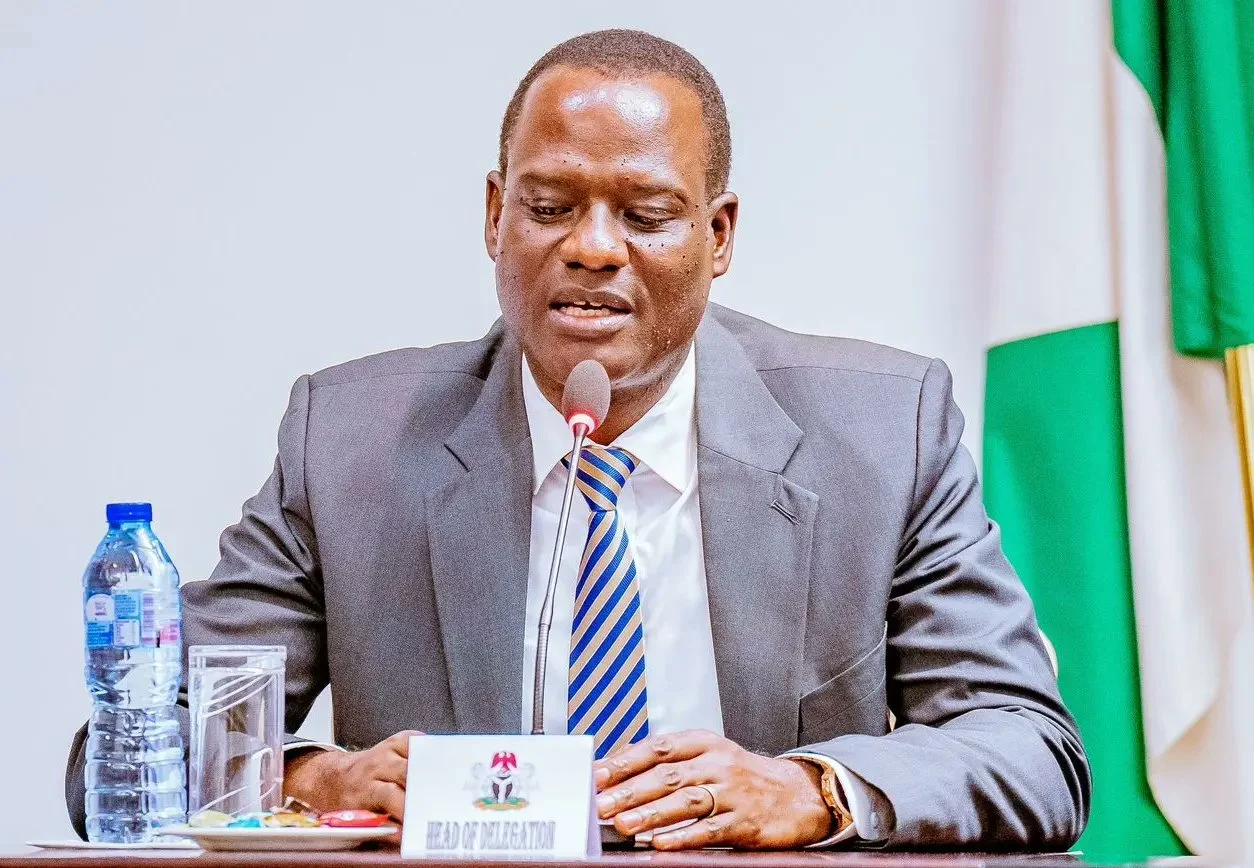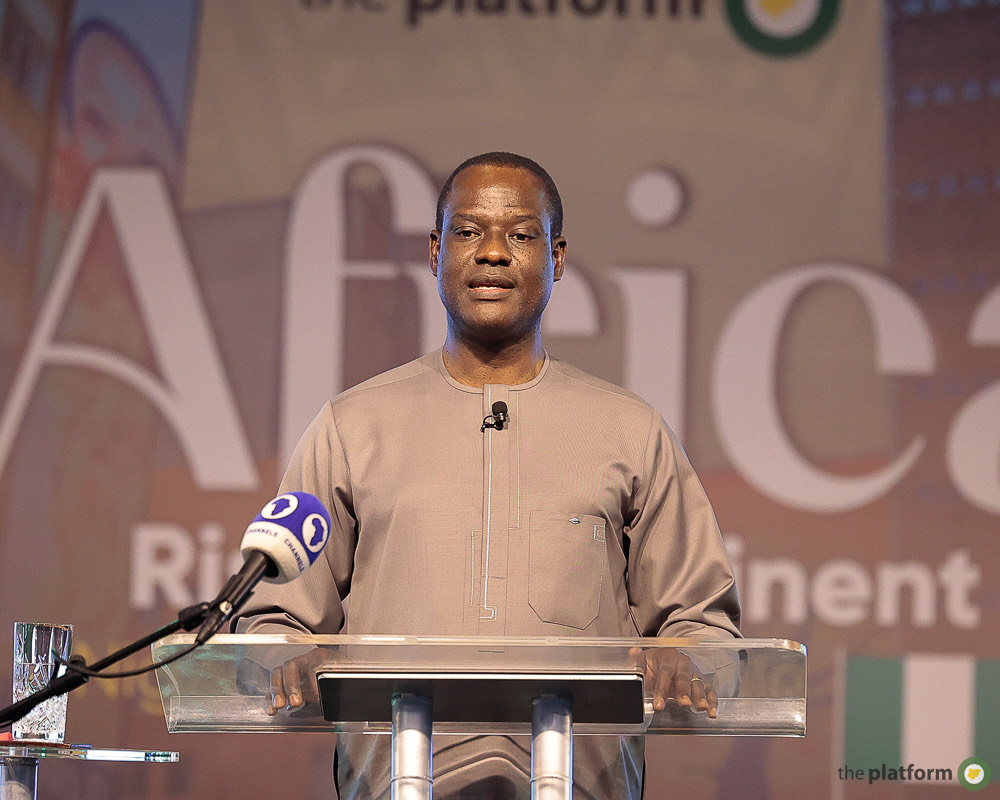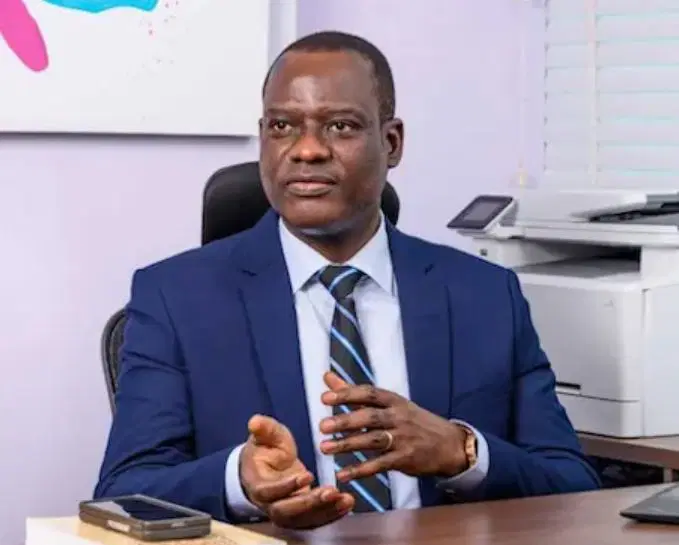

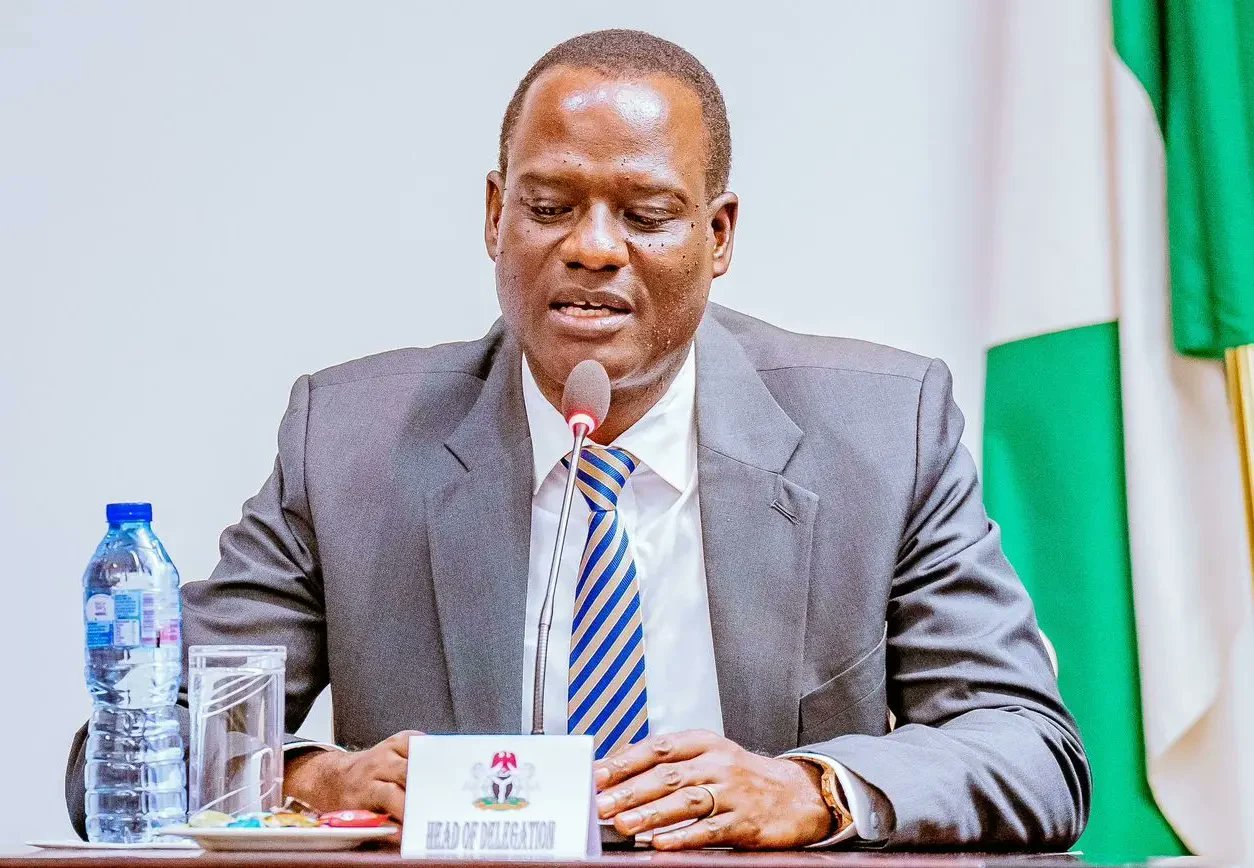
The Chairman of the Presidential Fiscal Policy and Tax Reforms Committee, Taiwo Oyedele, has disclosed that Nigeria has fewer than 10 million active individual taxpayers, a situation he said reflects the country’s narrow tax base and highlights the urgent need for data-driven fiscal reforms, particularly at subnational levels.
Oyedele made the disclosure on Tuesday while delivering the keynote address at the Tax Reform Summit 2026 held in Lagos. The summit was themed “From Reforms to Results: The Lagos Implementation Roadmap, Creating a Tax Environment that Works for All.”
The summit was organised by the Office of the Special Adviser on Taxation and Revenue in collaboration with the Lagos State Treasury Office.
Speaking at the event, Oyedele stressed that improving the quality of data used for fiscal and economic planning is essential to expanding Nigeria’s tax net, with Lagos State positioned to play a critical role in driving such reforms.
He explained that reliable and comprehensive databases covering property registers, individual taxpayers and fiscal operations are fundamental to effective revenue mobilisation and sustainable tax administration.
“In Nigeria today, the number of active individual taxpayers is under 10 million for the whole country. I think that is the number we should have for Lagos State alone, and we need to make that possible,” he said.
Oyedele added that meaningful tax reform cannot be achieved without credible, accurate and comprehensive data systems that allow governments to plan, monitor and enforce tax policies effectively.
He also drew attention to the vast but largely untapped revenue potential of property taxation, describing it as one of the most stable sources of income available to states and local governments across the country.
According to him, Lagos State alone could generate as much as ₦1 trillion annually from property tax if the sector’s full potential is properly harnessed.
Oyedele explained that if only two million properties in Lagos were captured within the tax system, each with an average value of ₦100 million and subjected to a modest tax rate of 0.5 per cent, the state could realise ₦1 trillion in annual revenue.
He noted that such revenue, if effectively managed, could be reinvested in infrastructure development and improved public services, thereby stimulating economic growth and increasing property values across the state.
The tax reform committee chairman emphasised that successful property taxation depends on proper property enumeration, accurate valuation processes, transparent administration and predictable enforcement mechanisms.
He further urged Lagos State to set the pace by adopting harmonised tax laws and strengthening legal frameworks that promote collaboration among revenue-collecting agencies.
Oyedele revealed that a model tax harmonisation law developed by the committee in collaboration with the Joint Revenue Board had already been adopted by states including Ekiti, Zamfara, Anambra and Kano.
He therefore called on Lagos State to follow the example of those states by embracing the harmonised tax framework to enhance efficiency, reduce multiple taxation and improve revenue outcomes.