

The federal government on Monday signalled a major shift in its fiscal approach, announcing plans to reduce reliance on borrowing and instead harness nationwide savings as a sustainable solution to Nigeria’s growing debt burden.
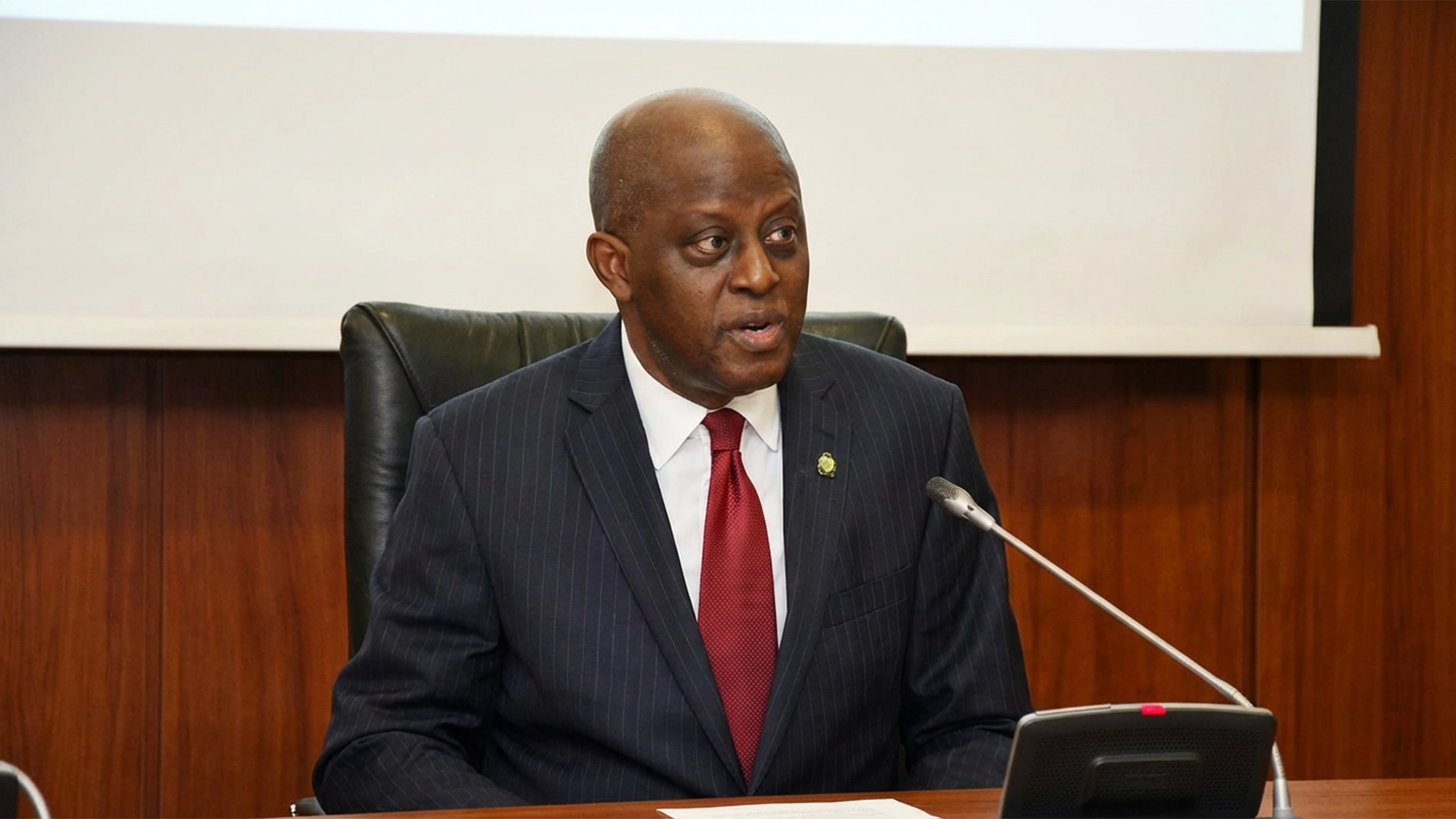
Minister of Finance and Coordinating Minister of the Economy, Mr. Wale Edun, unveiled the new strategy during an interactive session on the 2026–2028 Medium-Term Expenditure Framework, and Fiscal Strategy Paper, hosted by the Senate Committee on Finance at the National Assembly.
Edun emphasized that the shift was necessary to address persistent revenue shortfalls, rising fiscal pressures, and the need to boost domestic capital formation without further expanding public debt.
According to Mr. Edun, Nigeria’s total public debt has surged to around N152 trillion, up from about N70 trillion in 2023. However, he noted that a significant portion of this increase was not due to new borrowing.
He explained that roughly N30 trillion of the debt stemmed from the formal recognition and regularisation of Ways and Means financing, which had previously been excluded from government accounts, while nearly N50 trillion arose from exchange rate adjustments following central bank measures to clear foreign exchange backlogs and rebuild external reserves.
“Consequently, about N80 trillion of the total debt stock did not represent new borrowing, but rather a process of reclassification, regularisation and adjustment,” Edun said.
The minister emphasized that the MTEF would now prioritise strengthening revenue mobilisation, enforcing fiscal discipline, and ensuring long-term sustainability, rather than expanding borrowing.
He acknowledged that revenue performance has consistently lagged behind projections, creating significant pressure on budget implementation.
In 2024, total revenue was estimated at N25.9 trillion, but actual federal government receipts amounted to roughly N8.27 trillion.
Similarly, in 2025, projected revenue of around N40 trillion fell far short, with actual cash revenue coming in at about N10 trillion—leaving a shortfall of approximately N30 trillion.
He said, “As a result, treasury management measures and borrowing were used to bridge funding gaps.
“This underscores the urgency of a more realistic and robust revenue framework going into 2026.”
Edun revealed that the government is implementing a comprehensive revenue optimisation programme, centred on automation, digitalisation, advanced technology, and process re-engineering.