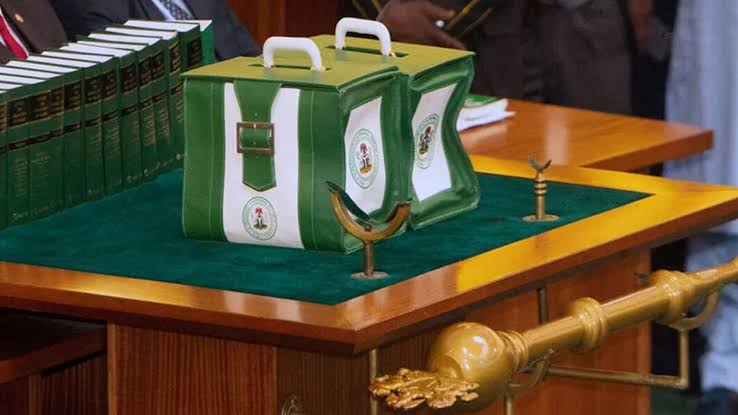


The Lagos State Government has announced that its ₦3.366 trillion 2025 budget has achieved an impressive 80 percent cumulative performance as of October.
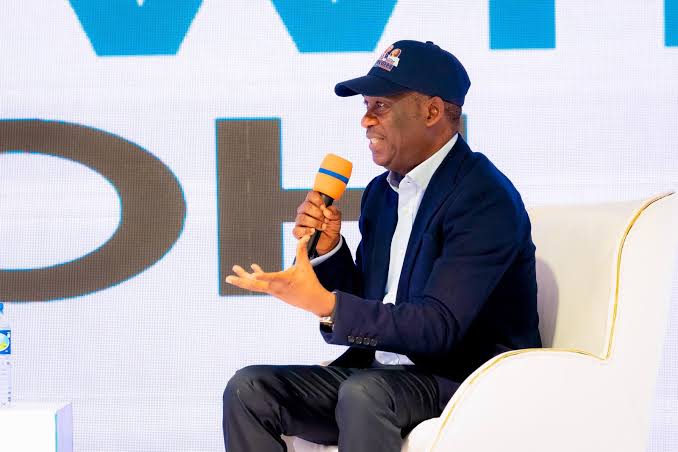
Gbenga Omotoso, Commissioner for Information and Strategy, disclosed this during a weekend media chat at Alausa, Ikeja, noting that both revenue generation and capital project execution were performing strongly.
Omotoso provided the latest figures on the state’s fiscal performance, stating: “As of September 2025, performance stood at about 79 per cent. But now, it has exceeded 80 per cent.”
He added a breakdown of the achievements: “In terms of revenue, we are doing very well, and in capital projects, we have achieved around 80 percent. The impact of Governor Babajide Sanwo-Olu’s administration is being felt in every community across the state.”
The commissioner highlighted the administration’s community-driven approach to development, particularly through partnerships with local governments in road construction, school rehabilitation, and housing initiatives.
He pointed to noticeable improvements across the state: “People are now proud to live in areas like Badagry, Ikorodu, and Igbogbo,” he said. “One of our best housing estates is in Igbogbo. We’ve also built over 15 jetties serving local communities. Today, you can travel from Ikorodu to Lagos Island in less than 30 minutes because of the state government’s investments in water transport.”
Omotoso further revealed that the Opebi–Mende Link Bridge would be commissioned before the end of the year.
Addressing reports that the recent demolition exercise at the Trade Fair Complex targeted specific groups, Omotoso dismissed the claims as baseless and politically motivated.
He robustly defended the Governor’s record on non-discrimination, saying: “It’s absurd for anyone to suggest discrimination.”
He continued: “Governor Sanwo-Olu has led Lagos for about six years, and no one has ever accused him of segregation—whether by religion, ethnicity, or any other basis. Lagos is for everyone.”
Omotoso clarified that the enforcement action was based strictly on building regulations, not bias, stressing that no one is exempt from obtaining proper building permits. He challenged the legality of the unauthorized structures, asking: “How can anyone build structures without permits?”
He further referenced a crucial legal precedent: “Even if the land is federally owned, the Supreme Court judgment in Attorney-General of Lagos vs. Attorney-General of the Federation (2003) makes it clear that only state governments have the authority to issue building approvals.”
He noted that the rule of law applies globally: “Whether in New York, Los Angeles, Mumbai, or Chicago, you must obtain a building permit before construction.
It’s not optional.” Omotoso expressed concern that some developers had erected large structures without proper documentation, describing the trend as unacceptable.
He concluded with a warning that the government will uphold safety and order: “People can’t just build however they like and turn the place into a slum,” he warned. “The government’s responsibility is to ensure safety, order, and proper urban development — and that’s exactly what we’re doing.”