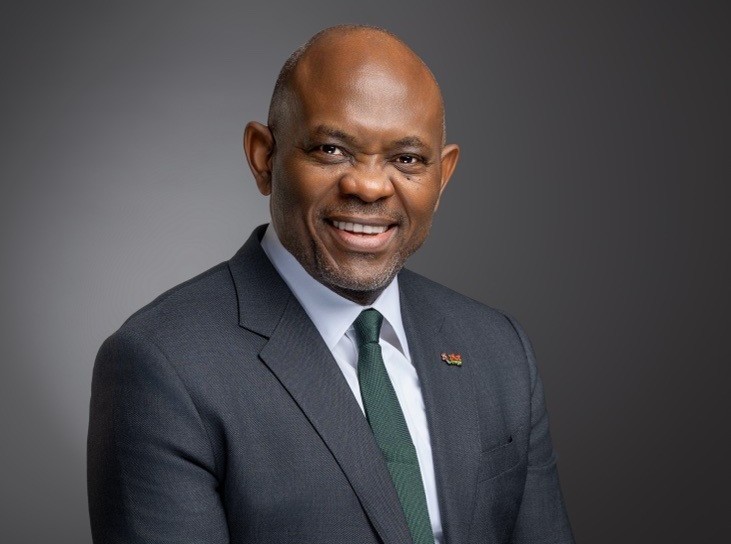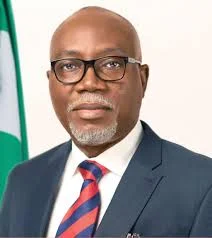


The Chairman of United Bank for Africa PLC and Founder of the Tony Elumelu Foundation, Mr. Tony Elumelu, has strongly advocated for the deliberate inclusion of Africa in the global digital and Artificial Intelligence revolution, stressing that digital inclusion is economic inclusion.
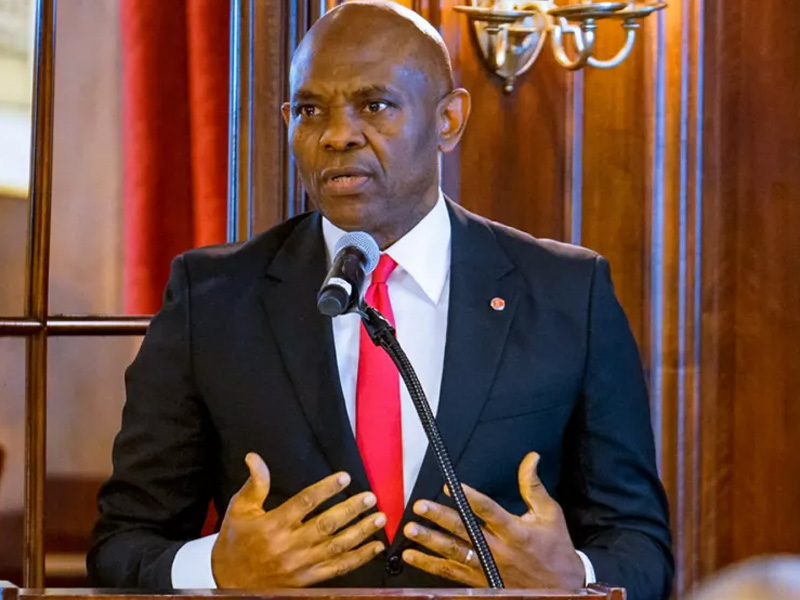
Elumelu made this case while speaking in Washington D.C. at a seminar on “Boosting Productivity Growth in the Digital Age,” held during the ongoing Annual Meetings of the World Bank and International Monetary Fund.
Elumelu outlined his key message from the presentation, demanding that the world must be intentional about Africa’s participation in the rapidly evolving digital landscape.
He stated: “My message is simple — Africa must be included. The world must be deliberate about including Africa in the digital revolution. Africa must have a seat at the table where governance, practices, and protocols for artificial intelligence (AI) are being developed.”
He emphasized that digital transformation must lead to more than just efficiency, saying: “Digital transformation should not only lead to productivity and efficiency — it should also lead to the democratization of prosperity.”
While acknowledging that Africans have successfully navigated previous shifts, such as the mobile money revolution, Elumelu stressed the immense opportunity presented by the current AI revolution.
However, he identified the most critical barrier hindering Africa’s ability to capitalize on this moment: electricity.
Elumelu warned: “But for this to happen, access to electricity must improve. Electricity is critical to power data and the AI revolution. Yet, over 50% of our people do not have access to electricity. This is unacceptable.”
He used the high-profile global platform to directly challenge leaders, stating: “I use this opportunity to call on all African governments that are genuinely interested in solving youth unemployment, driving transformation, and democratizing prosperity on the continent — fix the electricity challenge.”
He concluded with a stark choice for the continent’s future: “Our youths are not asking for sympathy. They are asking for systems that work — an enabling environment that allows them to put their talents to productive use. If this happens, Africa will develop. If it doesn’t, we are doomed.”
Elumelu also discussed the key findings of the UBA White Paper titled Banking on Africa’s Future: Unlocking Capital and Partnerships for Sustainable Growth, which was launched on the sidelines of the IMF/World Bank meetings.
The paper focuses on mobilizing domestic capital within the continent, a discussion he initiated by referencing research from the African Finance Corporation showing that Africa has “over $4 trillion in untapped economic resources.”
The goal of the white paper, presented by a Harvard Business School professor at the World Bank headquarters, is clear: “to think and act collectively on how to mobilize Africa’s capital.”
He asserted that historically, developed nations achieved their growth primarily through internal capital mobilization, adding: “When investors see that Africans are serious about investing in their own continent, they will be encouraged to join us.”
He underscored the need for immediate action over rhetoric, saying: “Talking is less than 1% of the work. What matters is execution — getting things done.”
Elumelu concurred with the keynote speaker’s observation that the refrain “Africa is rising” has been used for over 25 years without resolving the same persistent issues, reiterating that the time to act is now, starting with electricity.
Regarding a key revelation from the UBA White Paper—that 85% of Africa’s $4 trillion is held in safe sovereign instruments—Elumelu shifted focus to the potential of pension funds.
He firmly stated that “No one will develop Africa for us. We must do it ourselves,” citing the Dangote Refinery as a success story financed by local African institutions, not foreign lenders.
While acknowledging Nigeria’s pension reform as a “great initiative,” he argued that it is now time for those funds “to go to work.” He warned against unproductive investments: “Investing pension funds only in treasury bills will not develop Nigeria.”
Instead, he called for channeling these funds into critical sectors like infrastructure, energy, and manufacturing, even if it involves a small initial risk, because “What matters is that our funds work for Africa’s development.”