
Nigeria’s agricultural sector is set to receive a major financing boost as the European Union has approved a €190 million (about ₦320.5 billion) credit line to expand lending to farmers and agribusinesses through local commercial banks and development finance institutions.
The facility, provided by the European Investment Bank, was unveiled during a bilateral meeting between senior EIB officials and a delegation from Nigeria’s Federal Ministry of Budget and Economic Planning on the sidelines of the recent Global Gateway Forum in Brussels, Belgium.
A statement issued on Monday by the Special Adviser on Media to the Minister of Budget and Economic Planning, Bolaji Adeniyi, confirmed the development.
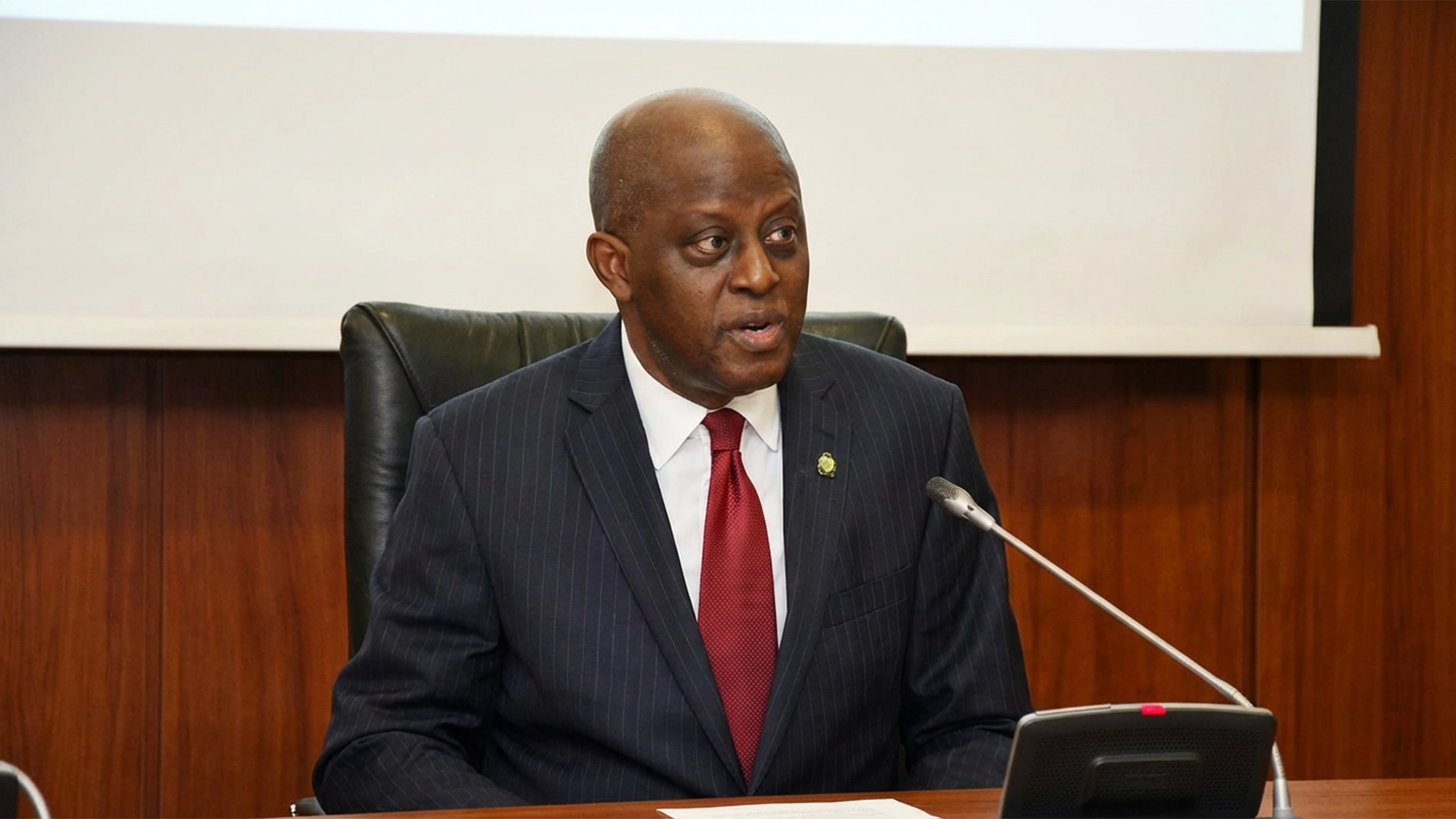
At the meeting, the Director for International Partnerships at the EIB, Thourayya Tricki, said the initiative reflects the EU’s commitment to supporting Nigeria’s economic diversification efforts, with a focus on climate-smart agriculture and value-chain development.
Tricki, accompanied by Diedrick Zambon, the EIB’s Head of Sub-Saharan Africa Relations, explained that the facility comprises both credit and technical assistance components aimed at strengthening development finance institutions and commercial banks.
She noted that the goal is to “de-risk agricultural lending and build institutional capacity for long-term financing in the sector.”
Nigeria already benefits from several EU-backed programmes, including an €18 million technical assistance grant to strengthen the regulatory framework for vaccine production and a €50 million credit facility to expand access to finance in the pharmaceutical industry.
Representing Nigeria at the meeting, the Special Assistant to the Minister of Budget and Economic Planning, Bolaji Onalaja, and the ministry’s EU Unit Focal Officer, Benjamin Galadima, reaffirmed the country’s commitment to implementing reforms under President Bola Tinubu’s Renewed Hope Agenda to attract sustainable investments.
“Our government is determined to create an enabling environment for investment through the forthcoming National Development Plan (2026–2030) and the Ward-Based Development Programme, which will ensure that growth reaches communities at the grassroots,” Onalaja said.
The Nigerian delegation also held meetings with senior officials from the Directorate of International Partnerships and the European Bank for Reconstruction and Development, among others, to explore potential collaborations in green infrastructure, renewable energy, and industrial development.
The Global Gateway Forum, the EU’s flagship investment platform, convenes governments, private investors, and development finance institutions to mobilize funding for sustainable projects that advance digital transformation, green transition, and human capital development.
In her keynote address, European Commission President Ursula von der Leyen reaffirmed the EU’s commitment to fostering “mutually beneficial partnerships built on trust and shared prosperity.”
“We are expanding the Global Gateway Investment Package to €400bn and launching a dedicated Investment Hub to accelerate project delivery, especially in Africa,” von der Leyen stated.