




Nigeria’s revenue-sharing system, which grants the Federal Inland Revenue Service 4 per cent of both non-oil and oil revenues (excluding royalties), is significantly higher than comparable allocations in countries like Kenya, Ghana, South Africa, and Uganda.
This finding is highlighted in the World Bank’s October 2025 edition of the Nigeria Development Update (NDU), titled “From Policy to People: Bringing the Reform Gains Home.”
The Bank notes that this framework has driven a rise in statutory deductions, thereby reducing the funds available for distribution to federal, state, and local governments via the Federation Account Allocation Committee.
“Nigeria’s current arrangement—allocating a fixed four percent of non-oil and oil revenues (excluding royalties) to the Federal Inland Revenue Service (FIRS)—is significantly higher than the cost of collection in peer countries,” the report stated.
The Bank noted that Kenya limits its revenue collection costs to 1–2 per cent of budgeted revenues and awards performance bonuses only when targets are surpassed. In contrast, Uganda, South Africa, and Ghana primarily finance their tax and revenue agencies through annual parliamentary appropriations, providing greater transparency and oversight in budgeting.
The World Bank warned that Nigeria’s high cost-of-collection model has fueled fiscal inefficiencies, placing pressure on public finances and weakening equitable resource distribution across government tiers.
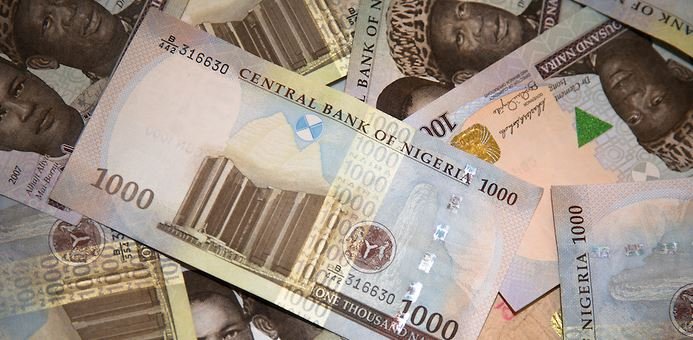
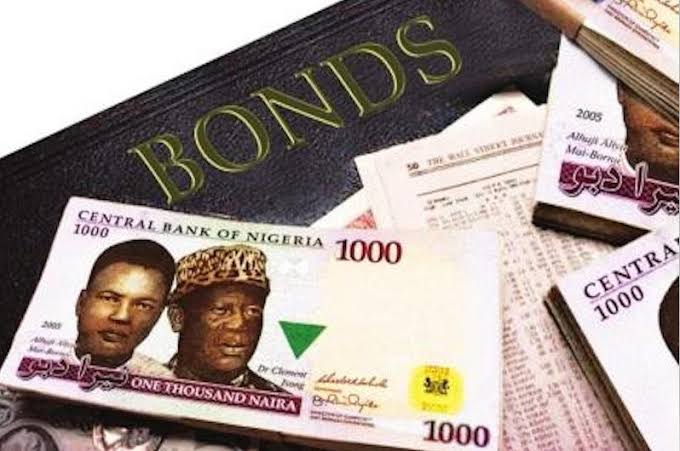
The report highlights that total statutory deductions jumped to N1.785 trillion in 2024, nearly double the N870 billion recorded in 2023.
Key beneficiaries of these deductions include the Federal Inland Revenue Service, Nigeria Customs Service, Nigerian Upstream Petroleum Regulatory Commission, Nigerian Midstream and Downstream Petroleum Regulatory Authority, and the North-East Development Commission.
The World Bank described the scale of these deductions as “substantial,” noting that in 2024, some of these parastatals received more from FAAC allocations than several states generated in total revenue.
“In 2024, several of these parastatals received more from FAAC than individual states collected in total revenues. Moreover, the combined allocations to these agencies exceeded the 2024 budgetary resources for pro-poor federal ministries such as Education (N1,589 billion), Health (N1,336 billion), and Poverty Alleviation (N263 billion),” the Bank stated.
The Nigeria Development Update (NDU) is one of the World Bank’s flagship reports on Nigeria, offering regular assessments of the country’s economic performance, policy developments, and potential risks to inclusive, sustainable growth.
In its October 2025 edition, the report highlighted signs of economic resilience and recovery, projecting that Nigeria’s public debt will drop below 40% of GDP for the first time in more than a decade.


