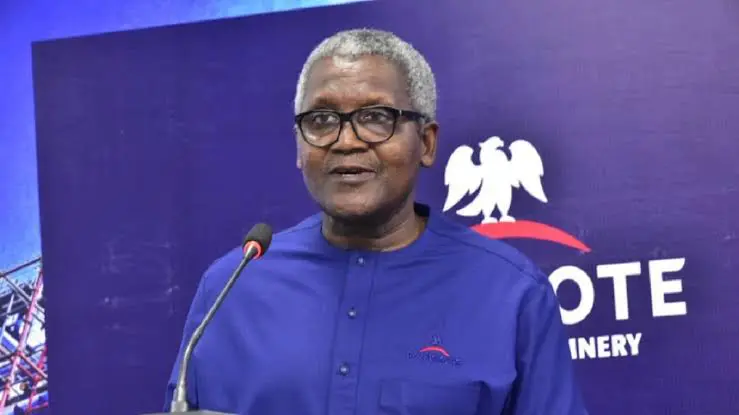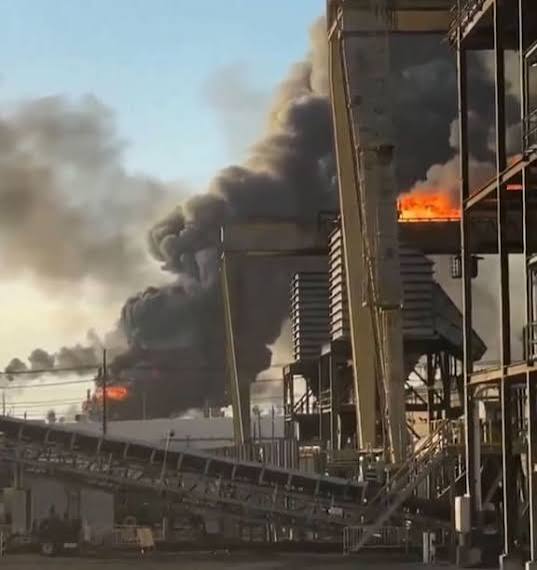


A coalition of prominent Nigerians has outlined a series of long-term solutions to avert future industrial disputes in Nigeria’s refining sector, following the recent labour dispute at the Dangote Refinery.
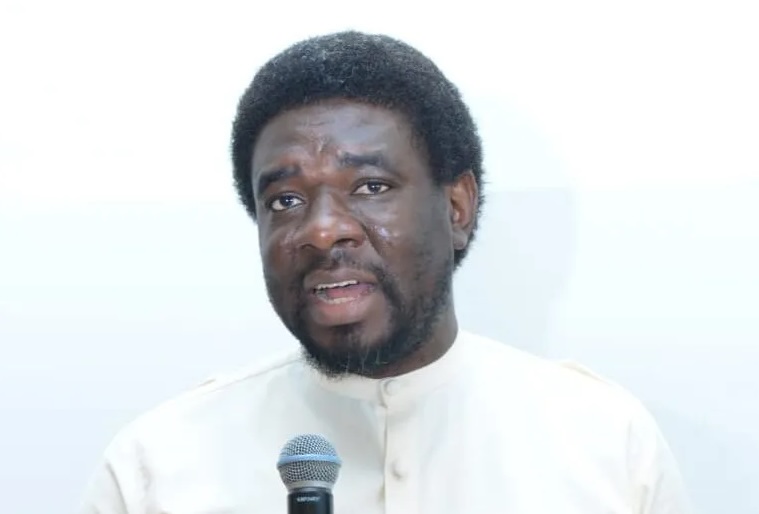
In a joint statement signed by respected leaders, including Bishop Matthew Kukah, Khalifa Muhammad Sanusi II, Atedo Peterside, Arunma Oteh, and Aisha Yesufu, the group commended the Federal Government, labour unions, and the Dangote Group for resolving the refinery dispute through dialogue rather than confrontation.
They urged that this peaceful resolution serve as a model for managing future industrial relations in the country’s energy and manufacturing sectors.
The signatories emphasized that structured dialogue remains the cornerstone of sustainable industrial harmony. While reaffirming workers’ constitutional right to organize and demand fair treatment, they cautioned against industrial actions that could destabilize strategic national assets.
They drew a clear line between rights and responsibility, stating: “Workers’ rights must be respected. However, the right to organise cannot become a licence to hold the economy hostage.” They urged both labour and management to institutionalize negotiation frameworks that balance fairness with productivity, ensuring mutual respect and economic stability.
Addressing public concerns about monopoly or market dominance, the group advised that such issues be handled through established statutory bodies like the Federal Competition and Consumer Protection Commission rather than strikes. The signatories noted that the FCCPC is legally mandated to assess competition and pricing issues, ensuring fair play within the refining sector.
They clarified the market status of the refinery, saying: “There is no legal monopoly here,” stressing that other investors are free to venture into refining provided they possess the necessary capacity and expertise.
The coalition further called on major investors to operate with transparency and uphold strong social responsibility standards. They urged enterprises of Dangote Refinery’s scale to maintain fair labour practices, reinvest in their host communities, and uphold ethical business conduct. They underscored the necessity of public trust, declaring: “Social responsibility and accountability must remain central,” adding that such practices build public trust and reinforce Nigeria’s industrial foundation.
Highlighting the refinery’s economic benefits, the signatories noted that petrol prices in some parts of the country have dropped by as much as 55 percent, from around N1,500 per litre to about N820, easing the burden on households and businesses.
They warned that persistent industrial disruptions could erode investor confidence at a time when Nigeria urgently needs private capital and innovation to stimulate growth. They described the Dangote Refinery as a “national lifeline” and a symbol of what bold domestic investment can achieve in driving economic transformation.
The group urged Nigerians to see the refinery episode as a broader lesson about the nation’s economic direction, reading: “This crisis is not about a refinery or any other business. It is about whether Nigeria will continue in a cycle of scarcity and rent-seeking or build a future anchored in productivity, fairness, and shared prosperity.”
They called on the government, the private sector, and civil society to collaborate in fostering a productive economy that rewards innovation and transparency, rather than dependency on imports or subsidies.