





The European Union Election Observation Mission has urged Nigeria to pursue judicial and constitutional reforms before the 2027 general election.
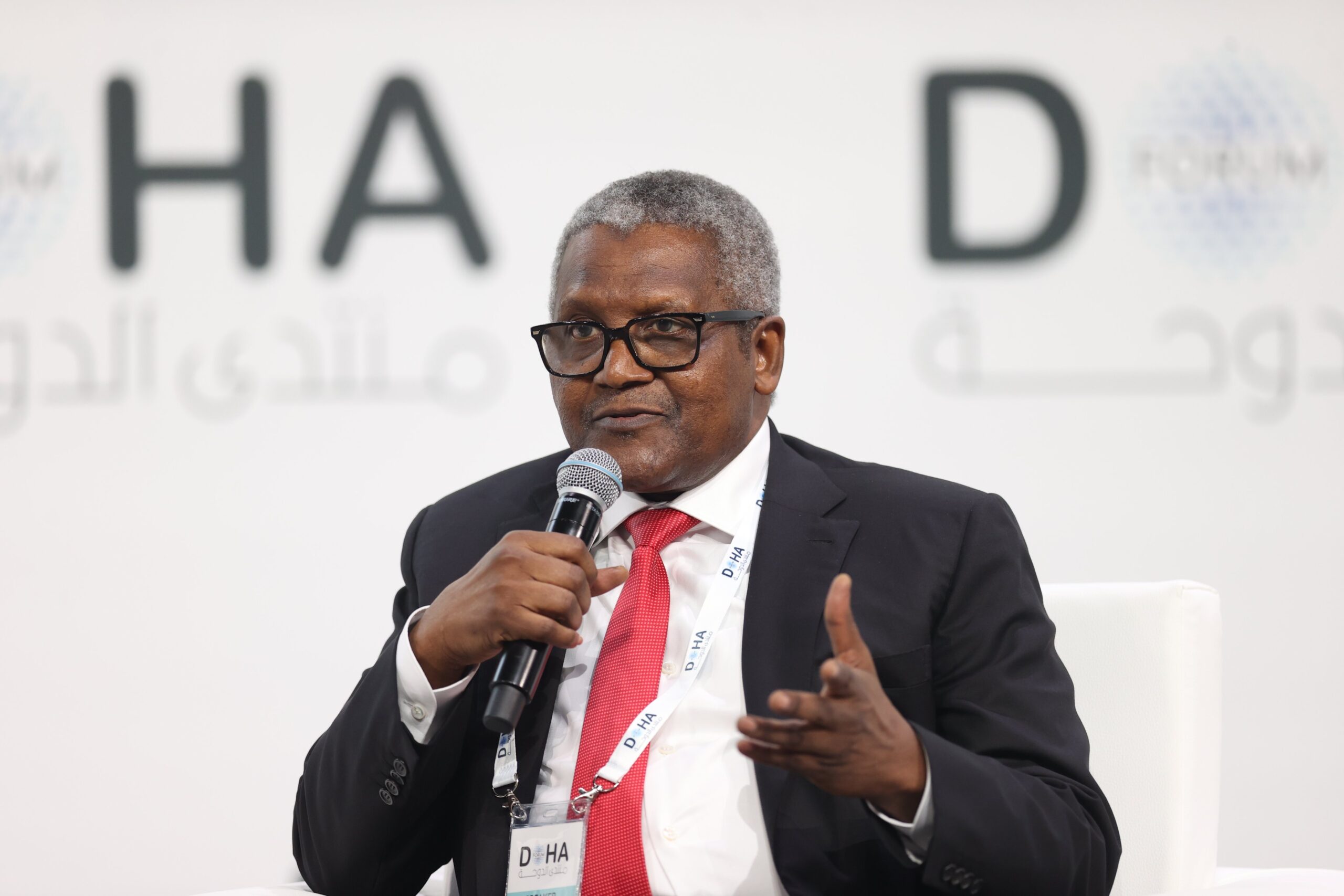
This call was made by Mr. Barry Andrews, a member of the European Parliament and head of the EU Mission to the 2023 general elections, who led the EU EOM delegation during a follow-up assessment visit to the Independent National Electoral Commission headquarters in Abuja yesterday.
The purpose of the visit was to assess the progress made in implementing the recommendations issued after the 2023 polls. Andrews remarked that the mission’s task is to assess the advancements in electoral reforms since the last general elections.
He praised INEC for its cooperation and dedication to strengthening democracy in Nigeria but acknowledged that significant challenges persist.
Andrews stated: “We have noted significant improvements in several areas, though some challenges remain, particularly those requiring judicial, and constitutional reforms which take more time.”
He further clarified the mission’s intent, saying: “However, our recommendations are made in line with international standards, which Nigeria and many other countries have committed to. Election observation is part of a global effort to strengthen and support democracy, not only in Africa but also worldwide, including in Europe.”
In response, the Chairman of INEC, Professor Mahmood Yakubu, appealed to the National Assembly to expedite action on the review and passage of electoral reforms, stressing that uncertainty over the legal framework could disrupt preparations for the 2027 polls.
Receiving the EU EOM delegation, Yakubu noted that many of the EU’s recommendations require legislative amendments, making early action by the National Assembly crucial.
He warned: “An early passage of law is critical to our planning for the elections. Uncertainty over the legal framework for the election can unsettle the work of the Commission as election draws nearer.”
Yakubu pointed out that out of the 23 recommendations made by the EU EOM in 2023, only eight directly concern INEC, with just one classified as a priority.
The remaining 15 recommendations, which include five priority items, fall under the purview of the executive, legislature, judiciary, political parties, civil society groups, media, and professional bodies.
The INEC boss reassured the delegation that the Commission has already taken administrative steps to implement its share of the recommendations and is collaborating with relevant stakeholders on cross-cutting issues while awaiting legislative action.
He also disclosed that INEC’s internal post-election review of the 2023 polls generated 142 recommendations for electoral reform, which complement observer reports.
Yakubu reaffirmed Nigeria’s continued commitment to international election observation, announcing that invitations would soon be extended to the EU, Commonwealth, African Union, and ECOWAS for the 2027 polls.
He expressed his belief in the value of external input, stating: “We believe that the recommendations arising from your observation of our election and electoral process help to improve the quality of our elections and electoral activities.”
Lastly, Yakubu commended the EU Support to Democratic Governance in Nigeria programme, pledging continued partnership to consolidate electoral integrity.


