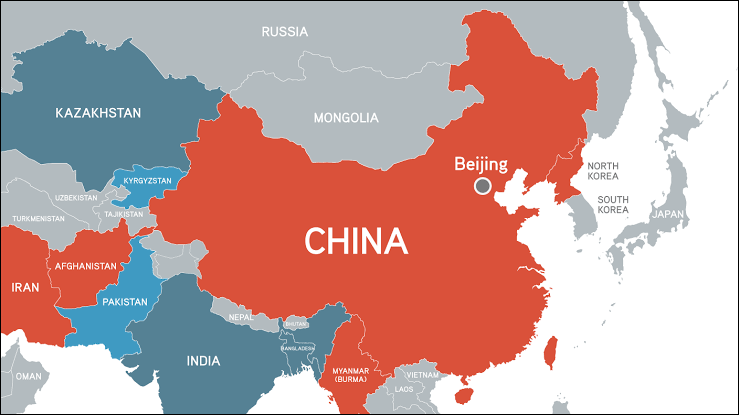


China has unveiled new climate commitments, pledging to cut its greenhouse gas emissions by seven to10 per cent from peak levels by 2035.
President Xi Jinping announced that Beijing would boost wind and solar power generation to six times its 2020 levels within the next decade, increasing the share of non-fossil fuels in China’s energy mix to over 30 per cent.
This marks the first time the world’s largest carbon emitter has pledged an outright reduction in emissions. However, analysts described the target as modest compared to expectations.
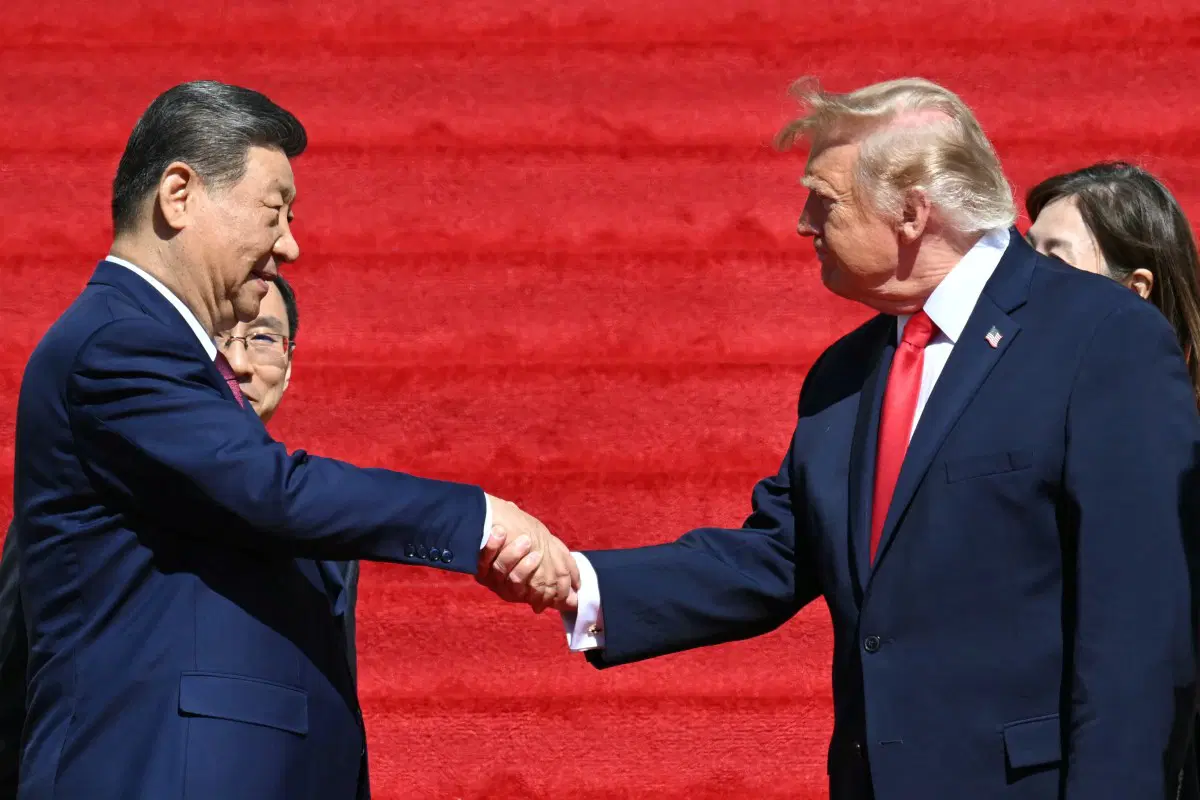
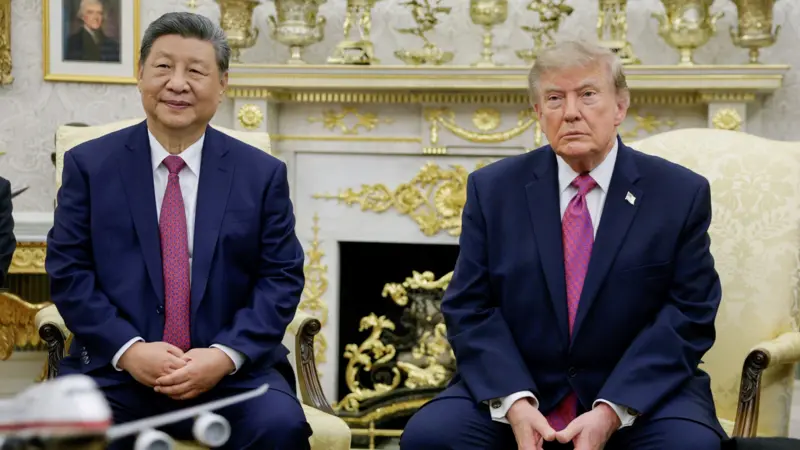
“Green and low-carbon transformation is the trend of our times. Despite some countries going against the trend, the international community should stay on the right track,” Xi said, delivering a veiled criticism of the United States for rolling back on climate commitments.
His comments followed U.S. President Donald Trump’s address to the UN General Assembly, where he dismissed climate change as a “con job” and confirmed a renewed U.S. withdrawal from the Paris Agreement.
Many environmental advocates were underwhelmed by China’s pledge, pointing out that its booming renewable sector and electric vehicle industry could support deeper cuts. Li Shuo, of the Asia Society’s China Climate Hub, said the plan reflected Beijing’s cautious, incremental style. Other major economies also tabled fresh targets ahead of this year’s COP30 summit in Brazil.
President Luiz Inácio Lula da Silva said Brazil would cut emissions by up to 67% by 2035 while strengthening anti-deforestation efforts. The European Union is drafting a 2035 goal of slashing emissions by as much as 72%, while Australia pledged a 62-70% reduction from 2005 levels.
UN Secretary-General António Guterres warned that global ambition remains inadequate to keep warming within 1.5°C, the central aim of the Paris pact.
“Now, we need new plans for 2035 that go much further, much faster,” he said. Small island nations, among the most vulnerable to climate shocks, pressed for stronger accountability. Palau’s President Surangel Whipps invoked a recent International Court of Justice opinion affirming countries’ legal duty to act.
“Those with the greatest responsibility and the greatest capacity to act must do far more,” he urged.