






The federal government has disbursed about N330 billion in direct cash transfers to poor and vulnerable households nationwide under its revamped social protection programme.
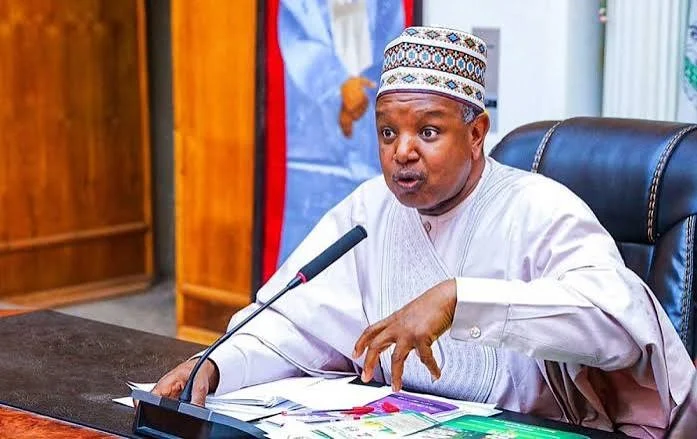
Minister of Finance and Coordinating Minister of the Economy, Wale Edun, disclosed this on Wednesday in Abuja.
He explained that the government had resumed full implementation of the national social safety net programme after initial delays caused by the integration of biometric data with the National Identity Number system.
“We are pleased to report that the social protection programme, the putting in place of a safety net to help people cope with the rising price level, is now firmly back on track.
“So far 8.5 million households, out of a targeted 15 million, have received at least one tranche of the N25,000 monthly payment, while some have received up to three tranches.
“Each household is expected to receive three payments in total. The remaining 7 million households will be paid before the end of the year,” Edun said.
He added that the initiative now serves as a foundational pillar for building a modern, long-term social protection system.
“Nigeria now has the basis for a modern social protection system. That was the promise of Mr President. That is what he is now putting in place,” Edun noted.
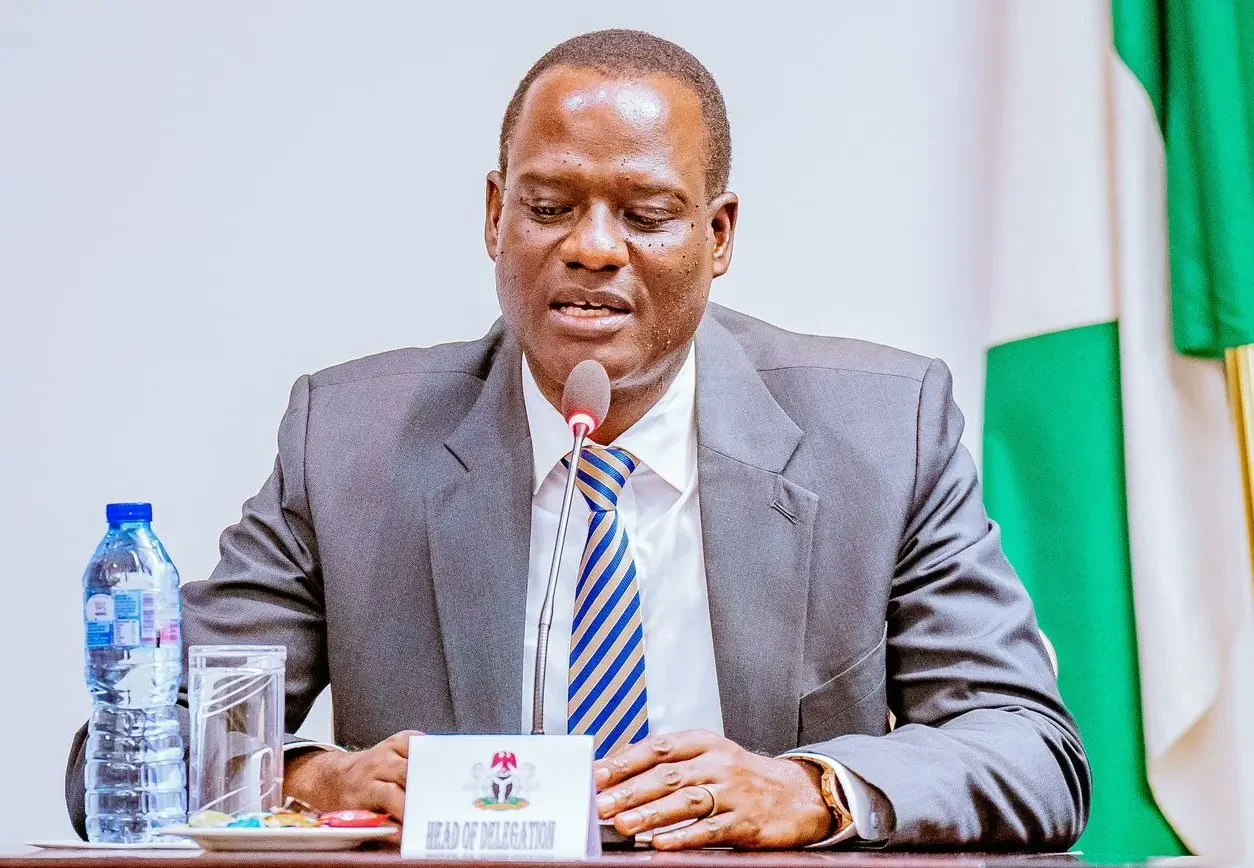
In her remark, the head of the National Social Safety Net Coordinating Office, Funmi Olotu, noted that while the shift to digital disbursements linked to NIN verification had slowed the pace of payments, it was essential for ensuring transparency and removing political interference.
“Mr President said no more traditional way of giving them payments—pay directly into the account,” Olotu said.
“So the reason why some have received three and some have received two and one is because Mr. President said we should link the NIN to the National Social Register so that we do direct debit transfer.”
Olotu said over 10.2 million NINs have been collected, with about 9.6 million already verified by the National Identity Management Commission (NIMC).
She explained that the disbursement system is fully biometric-based and digital, with funds sent directly to beneficiaries through their bank accounts or mobile wallets.
“The National Social Register (NSR), which is being used as the basis for targeting beneficiaries, contains data on over 70 million individuals in about 19.7 million households. It was developed in partnership with the World Bank using over 40 socioeconomic indicators to ensure that the most vulnerable are correctly identified.
“The program is part of a broader effort to stabilise the economy while addressing inequality, reflects a policy shift towards more structured and accountable welfare distribution.
“The National Social Register is not a political register.
“The Minister of Finance cannot give me names to put on the register. Mr President cannot give me names to put on the register,” Olotu added.


