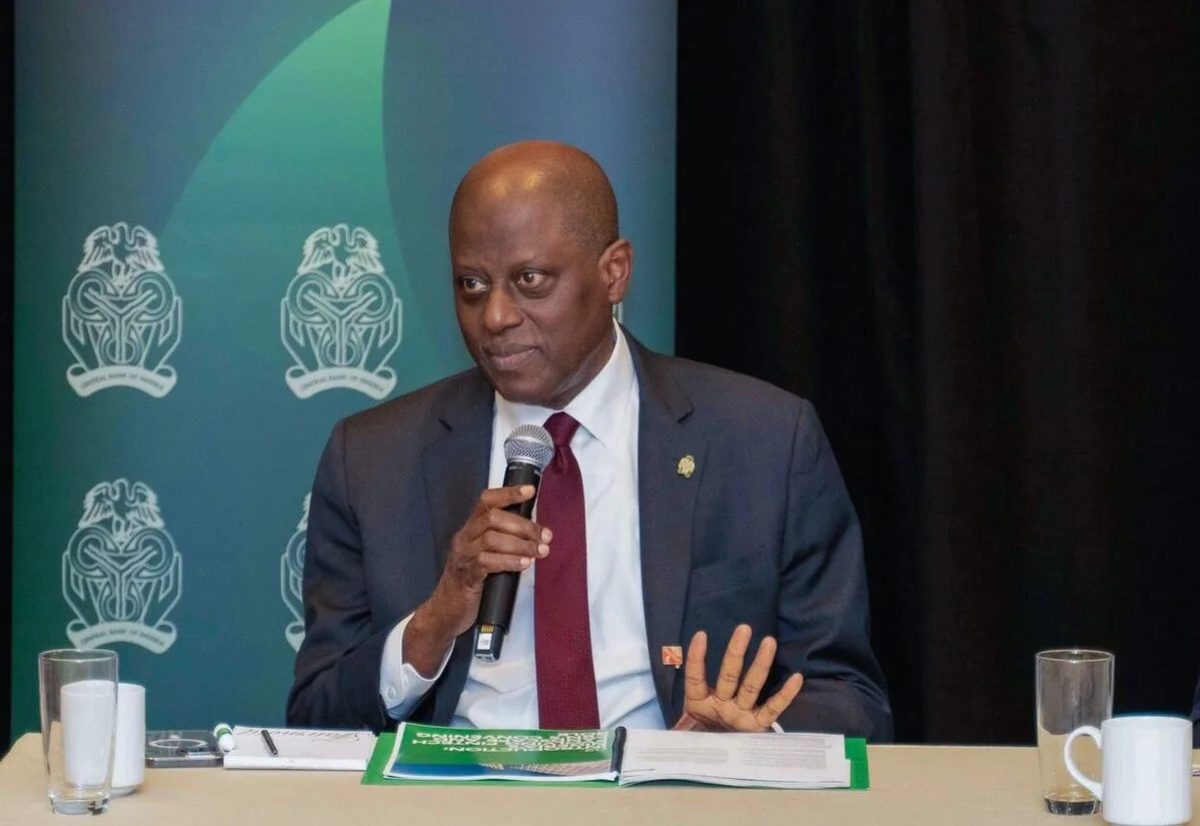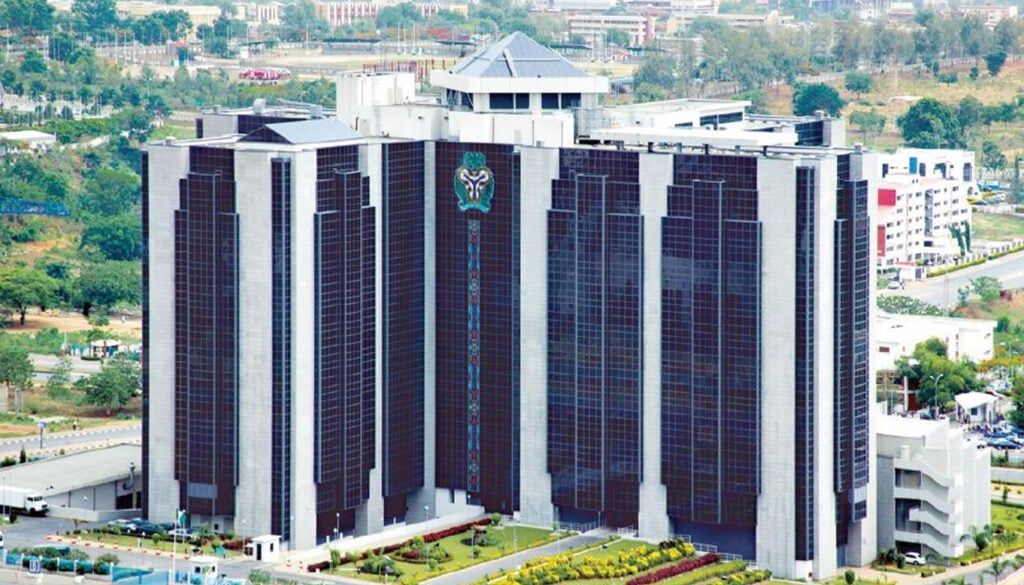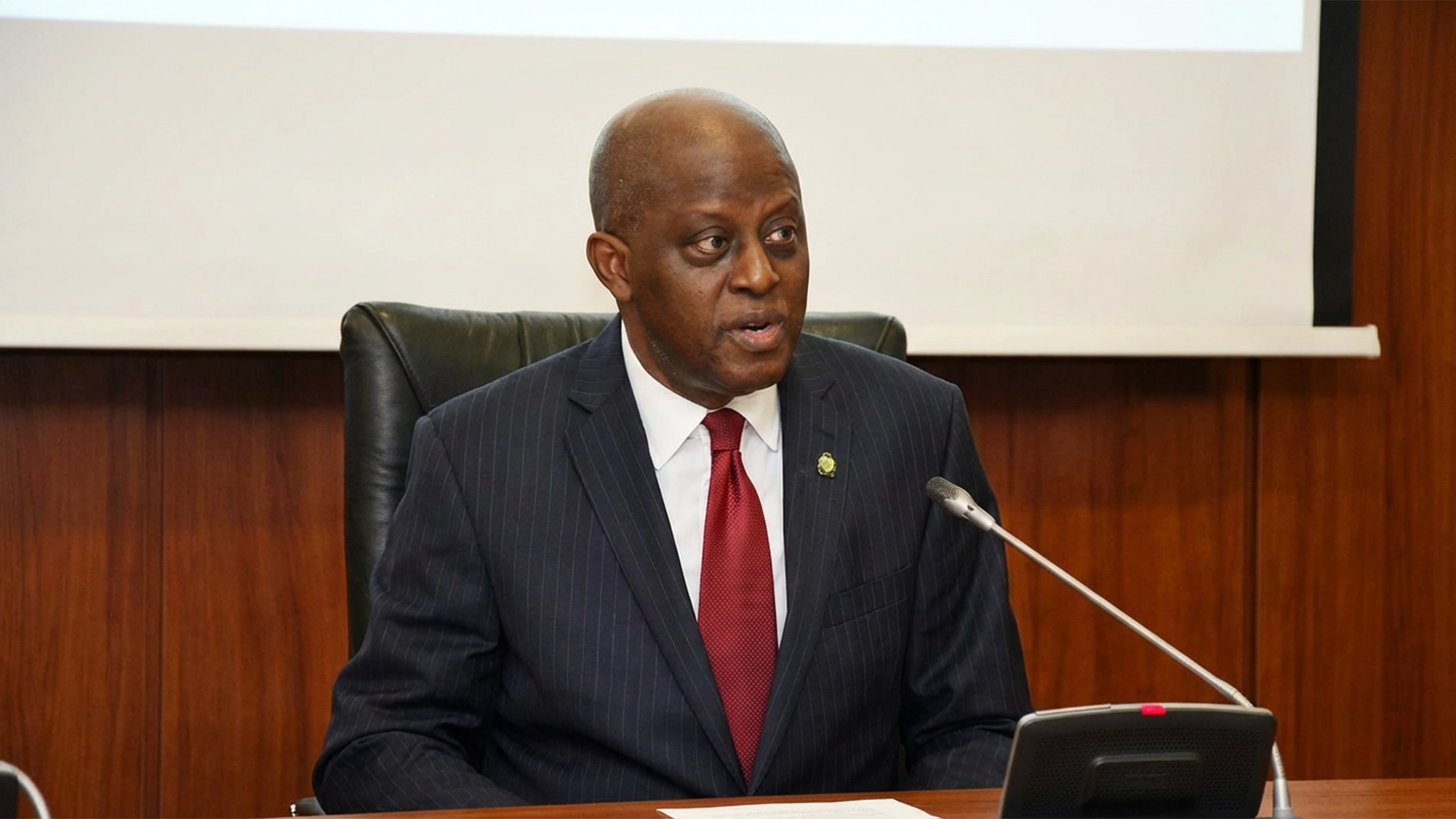


The Governor of the Central Bank of Nigeria, Olayemi Cardoso, has reiterated the bank’s commitment to fostering economic stability and strengthening the resilience of Nigerian banks.
He expressed confidence that renewed trust in monetary policy would help attract more investment inflows into the economy.
Speaking at the European Business Chamber C-Level Forum in Lagos, in a fireside chat moderated by Andreas Voss, Chief Country Representative of Deutsche Bank Nigeria, Cardoso noted that the ongoing recapitalisation of commercial banks is “making good progress” and will deliver stronger institutions able to withstand shocks and support economic growth.
Cardoso stated that while headline inflation is still high, it has begun to ease, reflecting collective efforts, and he expects the CBN’s tight monetary policy stance to deliver further results.
“We will guard very jealously the stability that has been restored in the financial system,” he said.
“Our priority is to sustain that stability, while at the same time tackling inflation and ensuring the financial system is resilient enough to support corporate lending and investment.”
In response to questions on high lending rates and their impact on investment, the CBN Governor admitted the challenge but emphasized their connection to inflation control and overall economic stability.
He noted that interest rates could decline significantly over time as inflation eases and markets become more efficient in capital allocation.
“That is the environment in which stronger corporate lending and higher levels of investment will naturally follow,” he added.
He further stressed ongoing efforts to strengthen the fintech ecosystem and expand financial inclusion, noting that technology-driven solutions are key to widening access and reducing poverty.
He also underscored closer collaboration with the fiscal authorities, including the Ministries of Finance, Trade and Industry, and the Budget Office—as a welcome development that will help sustain reforms and secure long-term stability.
Cardoso explained that the CBN’s recapitalisation directive, requiring banks to raise their minimum capital, is aimed at strengthening resilience and ensuring the financial system can effectively support wider economic activities.
He said, “What current geopolitical shifts make clear is the urgency of getting our own house in order. Nigeria is not only a large and attractive market in its own right, but it also sits at the gateway to West Africa and the wider continent. This makes stability at home all the more critical.”
Members of the EU Chambers commended the CBN’s reforms and the stabilisation of the naira, describing them as major factors behind the renewed investor confidence.